

As the much-anticipated solar eclipse approaches this Wednesday evening, experts urge the public to avoid using outdated eclipse glasses from 1999. While more than 90% of the sun will be obscured by the moon between 6:17 p.m. and 8:06 p.m., safely viewing this spectacular celestial event requires proper eye protection.
What to Expect During the Solar Eclipse
This Wednesday, millions across the region will witness a significant partial solar eclipse, where the moon will cover a vast majority of the sun’s surface. The exact obscuration will peak between 6:17 p.m. and 8:06 p.m., offering a rare opportunity to observe the sun’s corona and shadow play without the total darkness of a full eclipse.
Solar eclipses occur when the moon passes between the Earth and the sun, casting a shadow that partially or completely blocks the sun’s light. While this phenomenon has fascinated humanity for centuries, viewing it safely remains critical to prevent permanent eye damage.
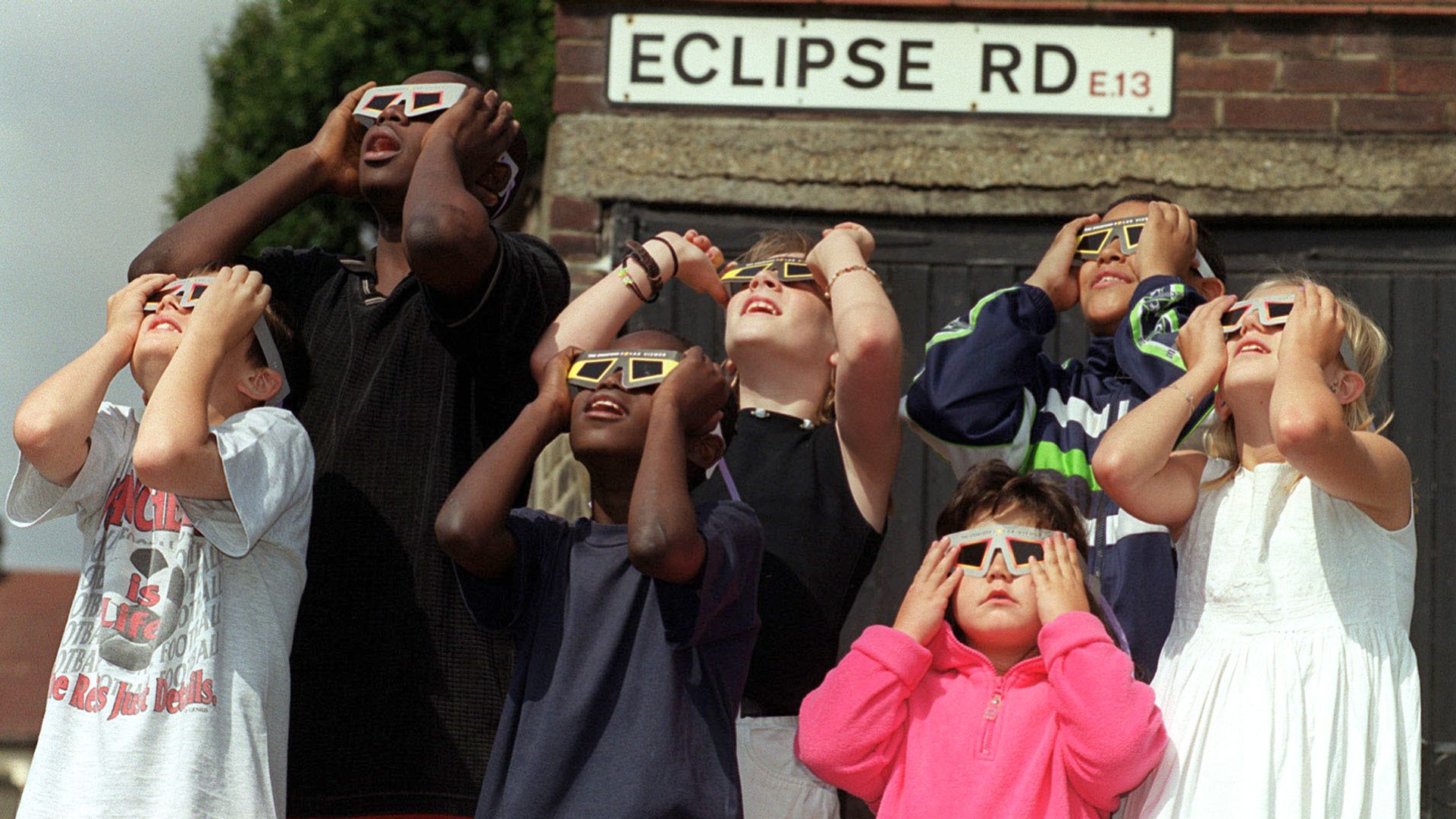
Why 1999 Eclipse Glasses Are Unsafe Today
Many might be tempted to dust off their old solar eclipse glasses from the 1999 event, but experts warn that these glasses no longer meet current safety standards. Over time, the protective filters degrade, reducing their ability to block harmful ultraviolet (UV) and infrared (IR) radiation.
Solar viewing glasses manufactured before the early 2000s often lack certification from recognized safety organizations such as the International Organization for Standardization (ISO). The ISO 12312-2 standard, introduced after 1999, ensures that eclipse glasses effectively filter out intense solar rays to protect viewers’ eyes.
Using expired or uncertified glasses can result in serious eye injuries, including retinal burns and permanent vision loss. The sun’s rays during an eclipse remain just as intense as on any bright day, making proper protection non-negotiable.
How to Safely Watch the Solar Eclipse
To enjoy the eclipse safely, viewers should only use eclipse glasses that meet the ISO 12312-2 international safety standard. New glasses are widely available from reputable manufacturers and distributors, and they are relatively inexpensive compared to the risk of eye damage.
Alternatively, indirect viewing methods such as pinhole projectors or specially designed solar filters for cameras and telescopes offer safe ways to experience the eclipse. It is crucial never to look directly at the sun without adequate protection, even during the partial phases of an eclipse.
Public health officials and astronomy organizations have launched awareness campaigns emphasizing these safety protocols to ensure a safe and enjoyable viewing experience for all.
Why It Matters: Protecting Your Vision During Celestial Events
Solar eclipses are awe-inspiring phenomena that connect us to the rhythms of the cosmos. However, the excitement surrounding these events must be balanced with caution. Eye injuries from improper eclipse viewing can be irreversible, underscoring the importance of following expert guidance.
With more than 90% of the sun obscured during this eclipse, many will feel compelled to witness the spectacle firsthand. Ensuring that you use proper, certified eclipse glasses or safe viewing methods protects not only your vision but also your ability to enjoy future celestial events.
In summary, do not rely on old eclipse glasses from 1999 or uncertified products. Prioritize your eye health by acquiring current, ISO-certified glasses or using indirect viewing techniques. This approach will allow you to fully appreciate the marvel of the eclipse without risking harm.
As we prepare for Wednesday’s solar eclipse, remember: safety comes first. Equip yourself with the right tools to experience this natural wonder safely and share the unforgettable moment with confidence.