The cancellation of the West Coast Main Line franchise deal has sent shockwaves through the UK’s transport sector, leaving taxpayers facing a £40 million burden and raising serious questions about government oversight. This unprecedented U-turn marks one of the most significant failures in recent British rail franchising history, exposing critical errors within the Department for Transport and triggering widespread political and industry fallout.
What Happened: The Franchise Deal Unravels
The West Coast Main Line contract, originally awarded to FirstGroup, was abruptly cancelled following the discovery of fundamental mistakes made by government officials during the bidding evaluation process. The contract would have handed FirstGroup the responsibility for operating one of Britain’s busiest and most strategically important rail routes, connecting London with major cities such as Birmingham, Manchester, Liverpool, and Glasgow.
On the brink of FirstGroup taking over the franchise, scheduled for December 9, Transport Secretary Patrick McLoughlin publicly admitted that mistakes within his own department rendered the entire awarding process untenable. Describing the errors as “deeply regrettable and completely unacceptable,” McLoughlin revealed that these miscalculations related primarily to how risk was assessed across competing bids.
Specifically, officials misjudged key financial assumptions including inflation rates and passenger growth projections. These errors skewed the evaluation of bidders’ guarantees, ultimately compromising the fairness and accuracy of the competition. As a direct consequence, the Department for Transport has suspended three employees and initiated both independent and internal reviews to determine the root causes and prevent future failures.
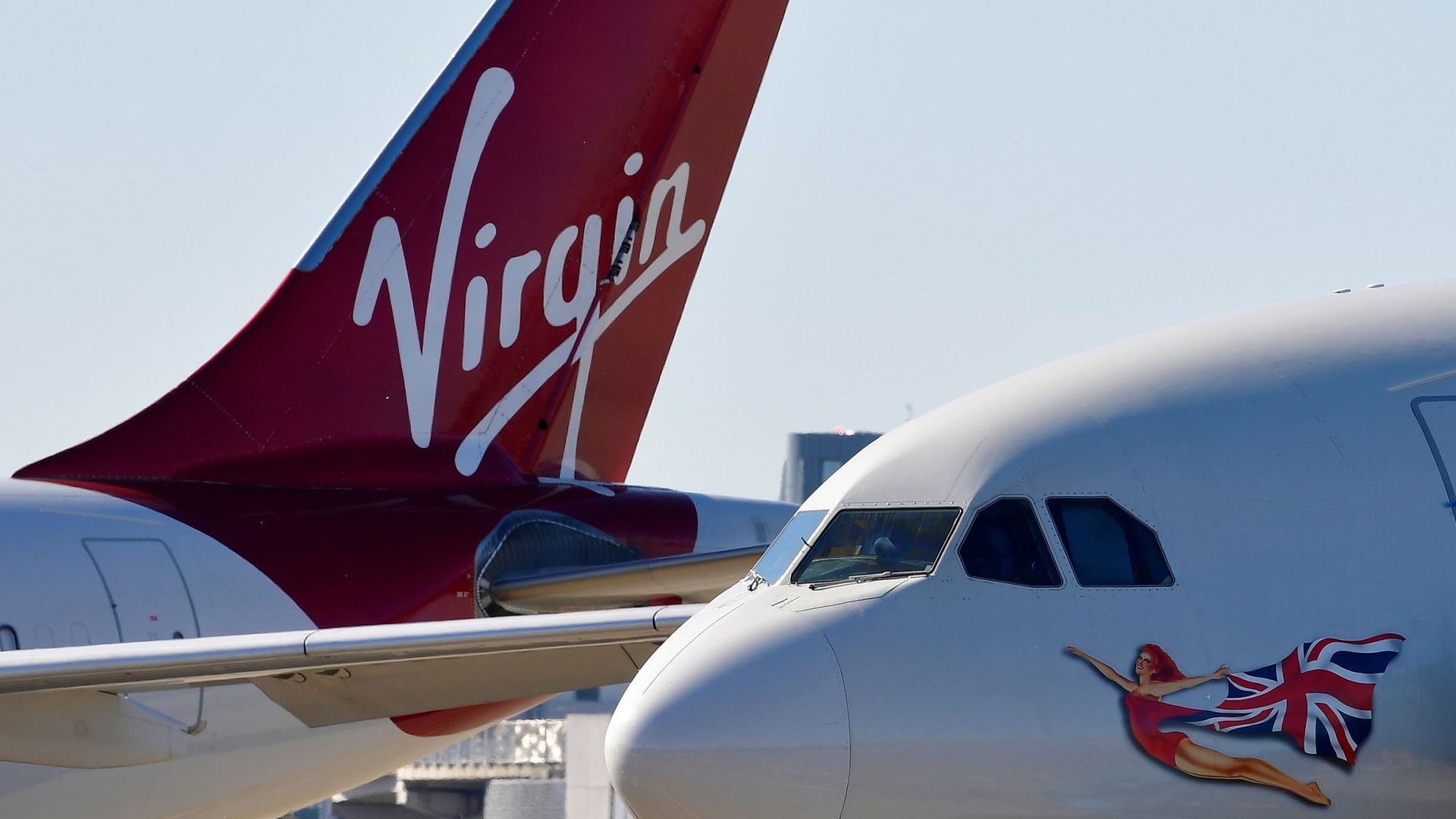
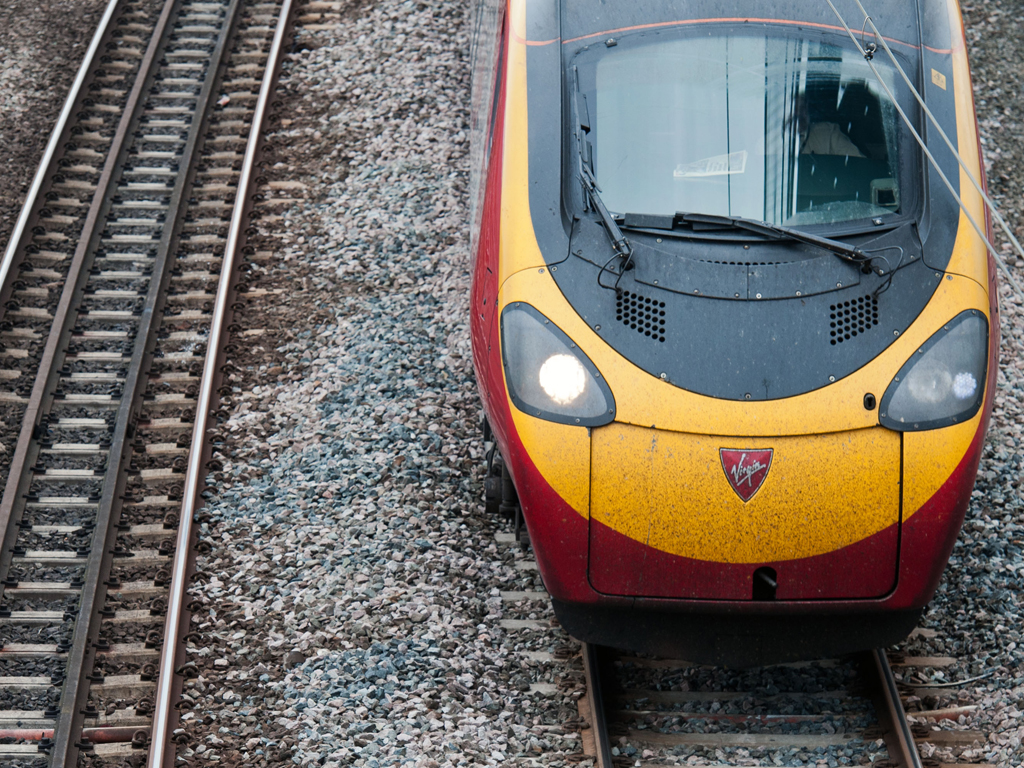
These revelations only came to light because Virgin Trains, the incumbent operator and losing bidder, challenged the award in court. Virgin’s chairman, Sir Richard Branson, condemned the process as an “absolute fiasco” and “insane,” expressing frustration that the flawed evaluation undermined legitimate competition. Just 24 hours before a scheduled High Court hearing, McLoughlin called Branson to announce the contract cancellation, effectively halting legal proceedings.
Sir Richard emphasized that Virgin Trains had acted with integrity throughout the process and expressed cautious optimism about future bidding opportunities, provided the rules were transparent and equitable. He stated, “Everybody at Virgin Trains is delighted. The last thing we wanted to do was go to court.” The episode had caused months of uncertainty and tension for all parties involved.
__IMAGE_PLACEHOLDER_1__
Why It Matters: Political and Industry Implications
The franchise debacle has become a political lightning rod, exposing cracks in the government’s handling of public transport contracts and fueling criticism of the coalition administration’s competence. Ed Miliband, then-Leader of the Opposition, condemned the fiasco as “appalling” and indicative of a broader pattern of “incompetence” that demanded urgent government action.
Shadow Transport Secretary Maria Eagle echoed these sentiments, labeling the situation a “shambles” and urging McLoughlin to disclose full details of the failures to restore public trust. The incident has cast a long shadow over other rail franchise competitions, with the Department for Transport suspending tenders for the Great Western, Essex Thameside, and Thameslink routes pending the outcome of ongoing investigations.
The fallout also hit FirstGroup hard, with the company’s share price plunging by up to 18% following news of the contract cancellation. FirstGroup’s spokesperson expressed disappointment but reaffirmed that the company had adhered strictly to all tender requirements and had no prior indication of errors in the bidding process. The firm awaits the conclusions of the Department for Transport’s inquiries.
At the time of awarding the franchise, then-Transport Secretary Justine Greening had praised the bidding process as “robust” and “fair.” The subsequent exposure of these fundamental flaws has severely undermined that assurance, raising questions about the Department’s quality control and risk management protocols.
__IMAGE_PLACEHOLDER_2__
What Comes Next: Restoring Confidence and Moving Forward
In response to the crisis, the government has pledged to “urgently resolve” the future management of the West Coast Main Line. Passengers were reassured that existing services would continue uninterrupted, with the same staff, drivers, and timetables, and that tickets already purchased would remain valid. This immediate continuity aims to minimize disruption amid the administrative turmoil.
The Department for Transport has committed to refunding the bid costs to all four companies that competed for the franchise, reflecting the acknowledgment of procedural failure. Two separate reviews will report by the end of the month and December respectively: one focused specifically on the West Coast bidding process, and another examining the broader rail franchising programme.
Permanent Secretary Philip Rutnam acknowledged the severity of the errors, stating, “The errors exposed by our investigation are deeply concerning. They show a lack of good process and a lack of proper quality assurance.” Rutnam emphasized the department’s determination to understand what went wrong and implement reforms to prevent a recurrence.
Meanwhile, the rail industry and passengers alike await clarity on the next steps for operating the West Coast route. The government’s handling of this crisis will be closely scrutinized, as it must not only deliver a reliable rail service but also restore faith in the fairness and transparency of public transport franchising.
__IMAGE_PLACEHOLDER_3__
Why It Matters: Lessons for Public Sector Management
The West Coast Main Line franchise cancellation serves as a stark reminder of the complexities and risks inherent in large-scale public procurement. Meticulous risk assessment, transparent evaluation, and rigorous quality assurance are essential to safeguarding public funds and maintaining competitive integrity.
This episode spotlights the dangers of complacency in government contracting processes, where failure to critically scrutinize assumptions such as passenger growth and inflation can lead to costly misjudgments. It also underscores the value of independent oversight and the role of legal challenges in uncovering systemic issues.
For taxpayers, the £40 million cost is a tangible consequence of bureaucratic mismanagement. For the rail industry, the scandal has shaken confidence but also sparked calls for reform and modernization of franchise bidding procedures.
Ultimately, this incident highlights the vital need for accountability and transparency in managing national infrastructure contracts. The government’s response and subsequent reforms will shape not only the future of the West Coast Main Line but also the broader approach to public transport franchising in the UK.