

WH Smith, the travel-focused retailer, has issued a stark profit warning and halted dividend payments as it confronts escalating travel disruptions triggered by the ongoing Middle East crisis. The company’s outlook darkens amid widespread flight cancellations and jet fuel shortages, which are squeezing passenger numbers and consumer spending across Europe and Asia.
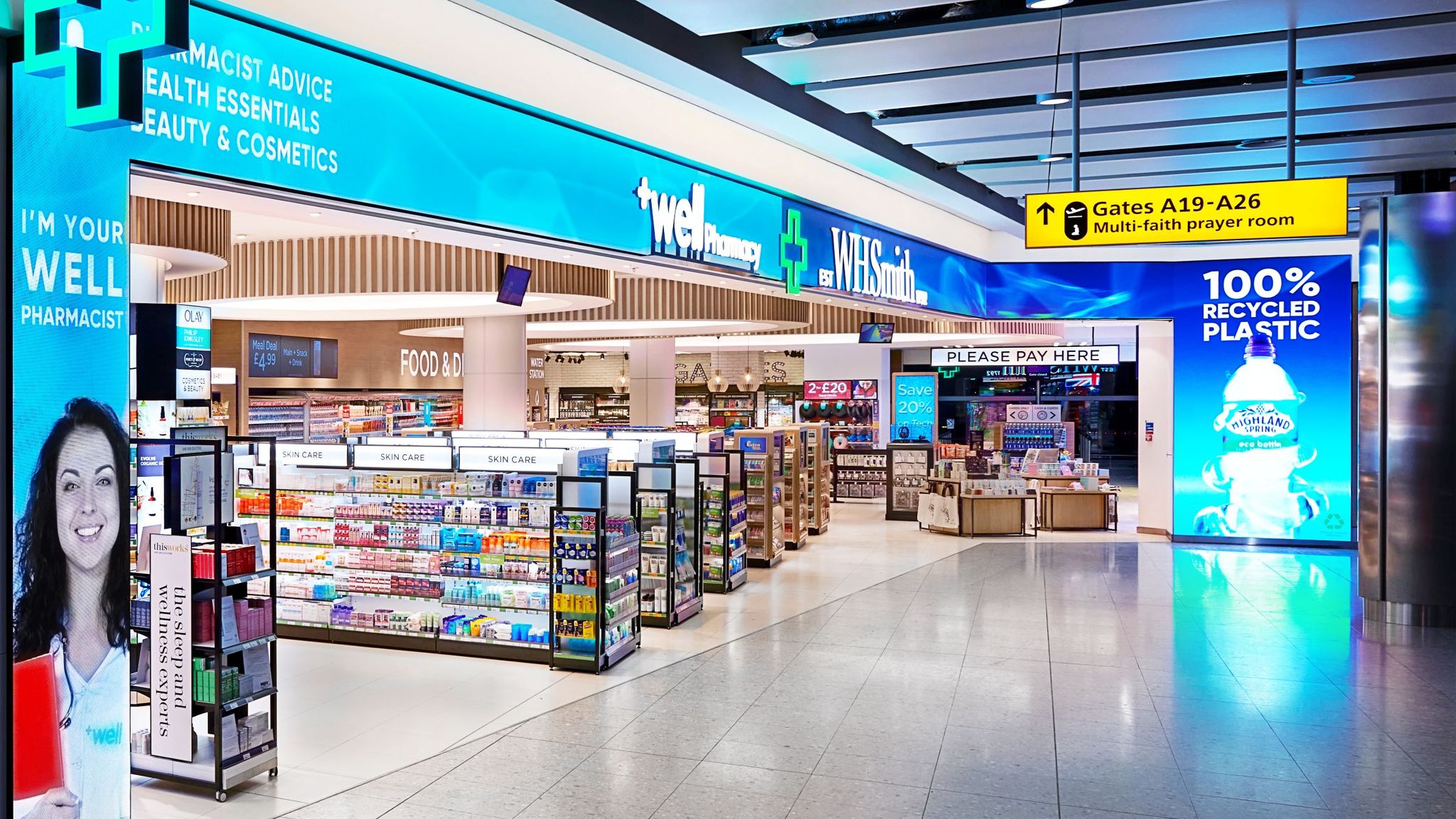
Mounting Impact of Middle East Conflict on Travel Retail
WH Smith’s latest profit warning comes as the ripple effects of the US-Iran conflict intensify, disrupting critical energy supplies through the Strait of Hormuz — a vital artery for global oil and gas flows. The closure of this strategic waterway has forced airlines worldwide to cancel or reduce flights to conserve jet fuel, directly hitting travel retailers heavily reliant on passenger traffic.
The company, which sold its UK high street stores last summer to focus on travel hubs, now faces plummeting footfall in airports and transport terminals across Europe and Asia. Flights within the Middle East have been hardest hit, with Tehran’s strikes targeting energy infrastructure in Gulf neighbors further destabilizing regional travel.
Although a tentative ceasefire currently holds between the US and Iran, the broader economic fallout remains severe. The ongoing fuel shortages continue to throttle airline schedules, with major carriers like Lufthansa canceling 20,000 flights and others scaling back services amid jet fuel scarcity.
Financial Fallout: Profit Downgrade and Dividend Suspension
In a statement released Thursday, WH Smith said it is adopting a “more cautious outlook” due to “uncertainty arising from the conflict in the Middle East” and the resulting impact on consumer confidence and passenger numbers. The company now forecasts headline pre-tax profits between £90 million and £105 million for the fiscal year ending August 31, down from an earlier estimate of £100 million to £115 million.
WH Smith’s shares plunged as much as 17% in early trading following the announcement, reflecting investor concerns over the company’s near-term prospects.
To preserve financial resilience amid the mounting crisis, WH Smith has suspended its dividend payments indefinitely. This move signals the company’s anticipation of continued disruptions and the need to conserve cash as consumer spending remains subdued.

Broader Retail Sector Faces Rising Cost Pressures
WH Smith’s warning aligns with growing unease across the wider retail sector, as soaring energy costs and supply chain disruptions weigh heavily on margins and pricing strategies. The European Union has also issued cautions about the potential for summer holiday cancellations due to ongoing flight disruptions.
Retail giants such as Reckitt Benckiser recently flagged an alarming rise in energy expenses, projecting up to £150 million in additional costs linked to the conflict. Meanwhile, supermarket chains like Sainsbury’s and Tesco have pledged to keep prices stable despite rising production and transport costs, aiming to shield consumers from further financial strain.
For WH Smith, which operates approximately 1,200 stores worldwide—primarily in airports, train stations, and motorway service areas—the current environment poses a significant challenge. The company does not expect passenger volumes or consumer spending to rebound in the short term, with ongoing geopolitical instability and inflationary pressures dampening demand.
Why This Matters: A Test for Travel Retail and Consumer Confidence
WH Smith’s profit downgrade underscores the fragility of travel-dependent businesses amid geopolitical crises that disrupt global energy supplies. With airline operations curtailed and passenger flows reduced, travel retailers face a prolonged period of headwinds, challenging profitability and growth.
Moreover, the broader inflationary impact from higher energy prices is squeezing household budgets, leading consumers to tighten discretionary spending. The combined effect threatens to extend the downturn beyond travel retail into general consumer markets, intensifying economic uncertainty.
As the Middle East conflict continues to influence global energy markets, companies like WH Smith must navigate a complex landscape of disrupted demand and rising costs. Their ability to adapt operationally and financially will be critical in weathering this turbulent period.
Looking ahead, WH Smith’s cautious stance signals that recovery in travel retail may be slow, hinging on geopolitical stability and the resumption of regular air travel. Investors and consumers alike will be watching closely for signs of easing tensions and a return to normal travel patterns.