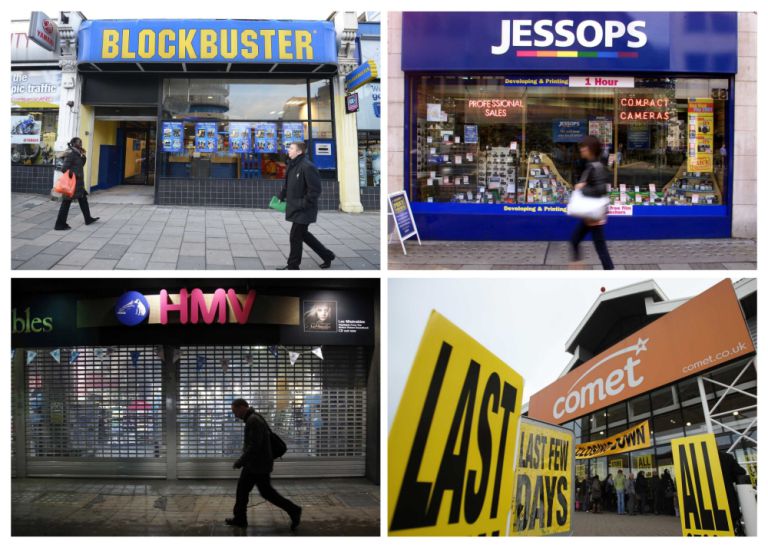
Britain’s high streets faced a harsh reality in early 2013 as three iconic retail chains, Jessops, HMV, and Blockbuster, collapsed within just sixteen days. This rapid succession of failures underscored the profound challenges confronting traditional brick-and-mortar retailers in an era dominated by digital transformation and economic uncertainty.
The Fall of Three Retail Giants
The first to succumb was Jessops, a photographic retailer founded in Leicester in 1935. On 9 January 2013, Jessops entered administration, a form of corporate insolvency that offers protection from creditors while attempts to rescue the business are made. However, within two days, administrators from PricewaterhouseCoopers concluded that Jessops could not continue operating as a going concern. The entire chain shuttered, leading to the closure of 187 stores and the loss of 1,370 jobs.
__IMAGE_PLACEHOLDER_1__
Shortly after Jessops’ demise, HMV, the venerable music and entertainment retailer, followed suit. Its flagship store on London’s Oxford Street opened in 1921, inaugurated by the celebrated composer Sir Edward Elgar. On 14 January 2013, just five days after Jessops entered administration, HMV appointed administrators from Deloitte. Unlike Jessops, HMV’s administrators kept the business trading, hoping to attract buyers interested in acquiring parts of its 238 worldwide outlets. This cautious approach aimed to preserve jobs for nearly 4,500 employees amid a rapidly shrinking market for physical music and entertainment media.
__IMAGE_PLACEHOLDER_2__
The final blow came with the collapse of Blockbuster, the once-dominant video rental chain. With 528 UK stores and a workforce of 4,200, Blockbuster’s administration was announced just two days after HMV’s. Deloitte partner Lee Manning expressed hope to save as much of the business as possible, working closely with suppliers and staff to facilitate a sale that could preserve jobs and maximize returns for creditors. Yet, the signs were clear: the traditional video rental model was rapidly becoming obsolete in the digital age.
__IMAGE_PLACEHOLDER_3__
Why These Retailers Could Not Survive
Several interrelated factors contributed to the downfall of these once-mighty retailers. The most frequently cited causes include economic recession pressures and the disruptive rise of the internet. However, a deeper look reveals multiple structural challenges that reshaped consumer behavior and retail dynamics.
Digital Disruption and Changing Consumer Habits
The explosive growth of high-speed broadband over the past decade transformed shopping habits. In 2011 alone, UK consumers spent over £68 billion online, with giants like Amazon leading the charge. For retailers such as Tesco, Sainsbury’s, and Asda, this digital revolution created new sales channels. Conversely, it devastated businesses reliant on physical media sales. The rise of digital downloads decimated sales of CDs and singles, while streaming services like Netflix and Lovefilm eroded the need for physical video rentals, hitting companies such as Blockbuster hard. Furthermore, the proliferation of digital TV and catch-up services reduced occasions when consumers felt compelled to visit rental stores.
Supermarket Competition and Price Pressure
Another critical factor was supermarkets’ aggressive expansion into electronics and entertainment products. Leveraging enormous scale and purchasing power, these retail behemoths undercut specialist competitors on price, drawing away customers. This encroachment intensified price wars, particularly in consumer electronics, where prices have fallen by up to 80% over 17 years. The resulting narrow margins left traditional retailers vulnerable to financial distress.
__IMAGE_PLACEHOLDER_4__
Operational Challenges and High Costs
Traditional retailers also struggled with inventory management amid rapid product innovation. Constant launches of new gadgets, smartphones, and tablets made stock control complex. Online retailers, equipped with streamlined logistics and superior data analytics, could adapt quickly, reducing unsold inventory and minimizing losses.
Moreover, physical stores face significantly higher operating costs than online platforms. High rents, business rates, staffing expenses, and inflexible lease agreements place brick-and-mortar shops at a competitive disadvantage. Unlike online giants who can locate warehouses in low-tax jurisdictions, high street retailers bear the full burden of UK taxes and overheads.
Who Benefits in This Changing Landscape?
While some retailers faltered, others adapted and thrived. The John Lewis Partnership, owner of John Lewis department stores and Waitrose supermarkets, reported record sales during the 2012 festive season. Waitrose alone saw a 5.4% increase in sales, surpassing £300 million in the final two weeks of the year. Similarly, Halfords capitalized on consumers’ focus on value and maintenance, with sales at its Autocentres rising 12.4% in the 15 weeks leading up to mid-January 2013.
__IMAGE_PLACEHOLDER_5__
These success stories highlight the importance of diversification, embracing technology, and adapting to changing consumer preferences. Retailers who innovate their supply chains, develop online channels, and focus on customer experience are more resilient in today’s challenging environment.
Why It Matters: The Wider Impact of Retail Failures
The collapse of major retailers like Jessops, HMV, and Blockbuster extends far beyond the closure of stores. Thousands of employees face unemployment, often in regions where alternative job opportunities are scarce. The social consequences of job losses are compounded by welfare cuts and a sluggish job market.
Additionally, government finances take a hit. For example, the earlier Comet collapse left a £23.2 million bill for unpaid wages to nearly 6,900 former employees and a £26.2 million tax shortfall. Banks and creditors also suffer losses, which eventually trickle down to consumers through higher borrowing costs and fees.
These retail failures serve as a stark reminder that the high street must evolve or face extinction. The balance between embracing digital innovation and maintaining physical presence will dictate which retailers survive and which fade into history.
Looking Forward
The stories of Jessops, HMV, and Blockbuster illustrate the relentless pressures transforming retail in the 21st century. While the internet and economic shifts have undermined traditional business models, they also present opportunities for those willing to adapt. Retailers must harness technology, optimize operations, and meet evolving customer expectations to remain relevant.
For consumers and communities alike, the evolution of retail is not just about convenience or price, it reflects broader changes in society’s relationship with commerce, technology, and employment. Observing which retailers thrive and which falter offers valuable insights into the future of shopping and the economy at large.