India’s electoral landscape is evolving, and welfare policies that once guaranteed political success no longer hold the same sway. The dynamic has shifted from welfare as the sole driver of voter behavior to a complex interplay of broader political strategies and alliances. Understanding this transformation is critical as the country heads into the 2026 elections, where the stakes for political parties have never been higher.
Welfare as the Floor, Not the Ceiling, of Indian Politics
Political analyst Joshi offers a compelling perspective: “Welfare is already the floor of Indian politics. What decides elections now is what parties build above it.” Voters have long accepted welfare as a baseline expectation, but political contests are increasingly defined by the additional factors parties use to differentiate themselves.
This means welfare policies cannot be seen in isolation. Instead, they are components within broader coalitions and narratives that parties craft to appeal to diverse voter groups. For instance, in West Bengal, the Trinamool Congress (TMC) previously relied on a delicate electoral balance—combining welfare delivery, strong support from women voters, Muslim consolidation, and sufficient backing from Hindu communities. However, this “equilibrium” has fractured, contributing to the TMC’s loss to the Bharatiya Janata Party (BJP).
Meanwhile, in the neighboring state of Assam, the BJP’s ascendancy illustrates a multifaceted strategy. Their success extends beyond religious rhetoric to include welfare schemes, the empowerment of women’s self-help groups, infrastructure development such as road building, strengthening state institutions, and promoting Chief Minister Himanta Biswa Sarma’s image as an efficient administrator. This holistic approach has proven effective at winning over voters.
Women: The Emerging Powerhouse in Welfare Politics
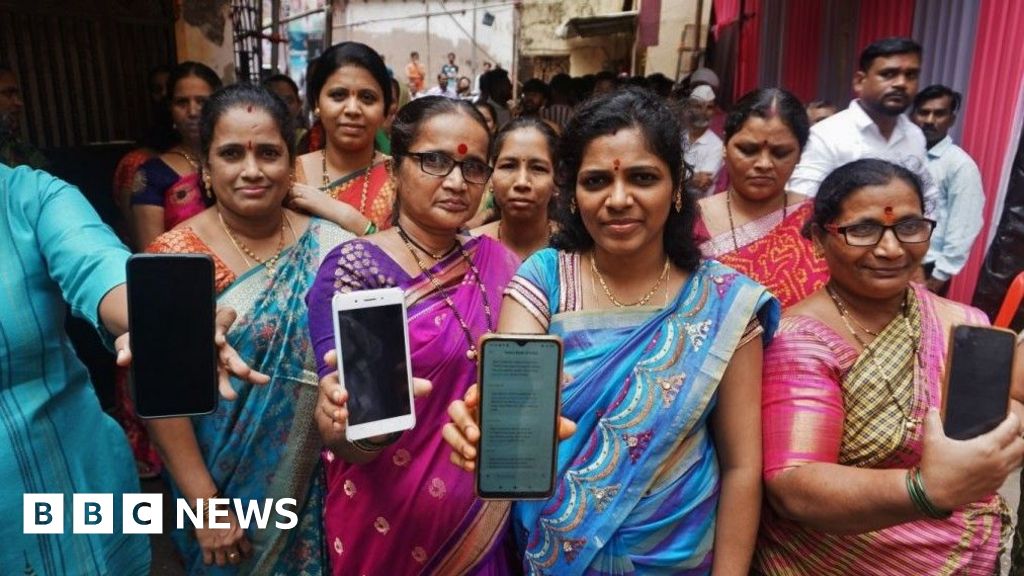
Women have emerged as a pivotal force within India’s evolving welfare architecture. They are increasingly viewed as reliable managers of household resources and constitute a decisive voting bloc whose turnout often surpasses that of men. Political parties have recognized the electoral potential of women and shifted welfare programs to address their specific needs and concerns.
This shift is reflected in the scale of government investments. According to the latest Ministry of Finance Economic Survey, Indian states will collectively spend approximately $18 billion (£13.2 billion) on unconditional cash transfers in the fiscal year 2025-26. A significant portion of this funding targets women, reinforcing their central role in welfare distribution and political engagement.
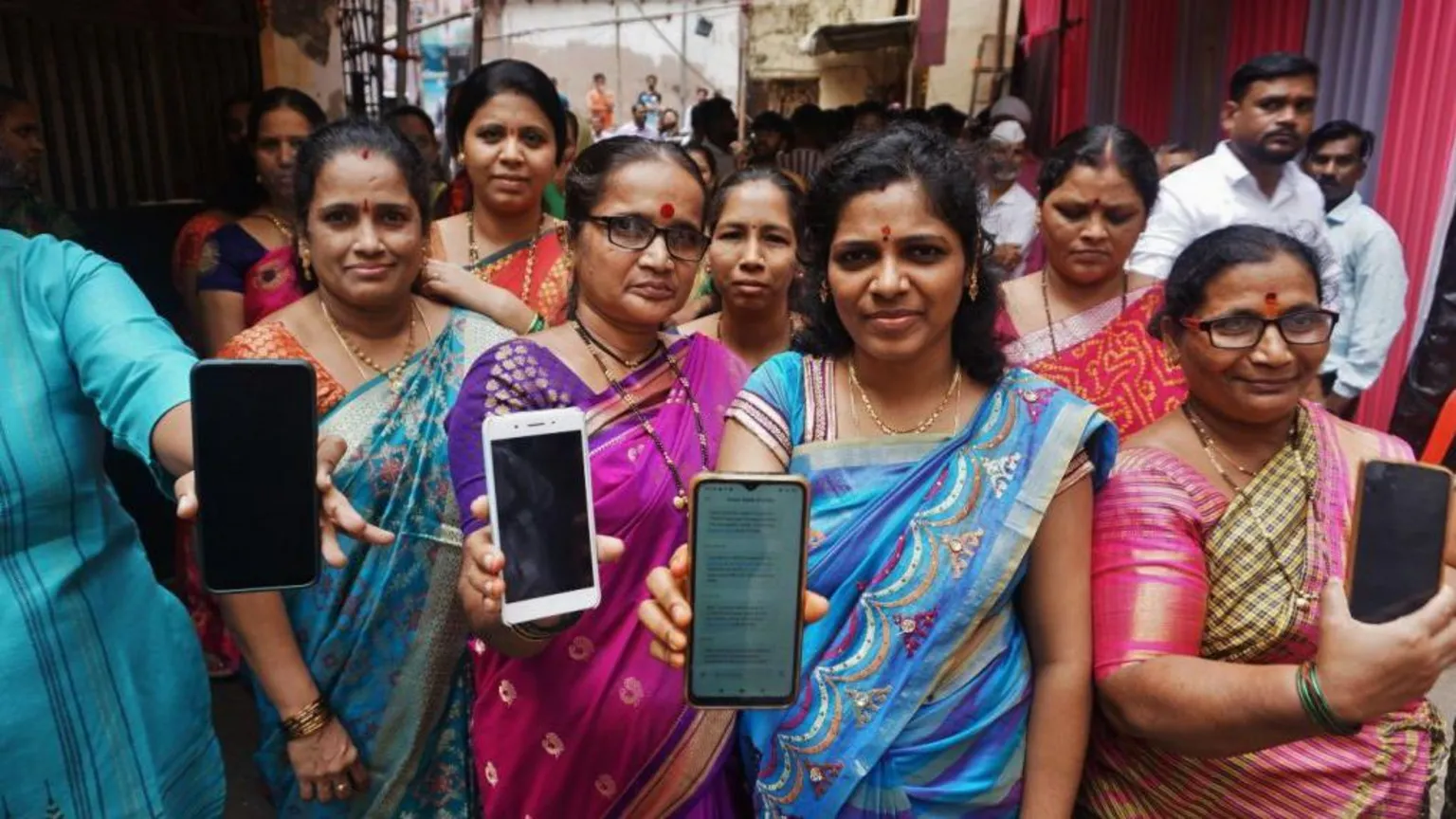
Over the past three years, the number of states implementing unconditional cash transfer schemes has surged more than fivefold. This expansion includes states already grappling with revenue deficits, underscoring the high political and fiscal stakes involved. Cash transfers aimed at women not only provide financial support but also serve as a mechanism for political parties to deepen their grassroots connections and build electoral loyalty.
Why Welfare Alone No Longer Guarantees Electoral Success
The changing electoral calculus in India signals that welfare policies alone cannot secure victory. They remain essential but operate as a foundational “floor” rather than the deciding “ceiling.” To win elections, parties must construct broader coalitions that integrate welfare with other voter concerns, including identity politics, administrative efficiency, infrastructure development, and social empowerment initiatives.
The fracturing of traditional alliances—such as the TMC’s loss in West Bengal—demonstrates how fragile welfare-driven electoral models can be when not complemented by a comprehensive political strategy. Conversely, the BJP’s ability to combine welfare with religious identity, strong governance, and women’s empowerment in Assam highlights a winning formula for today’s complex electorate.
As India approaches the 2026 elections, political parties face the challenge of innovating beyond welfare delivery. They must address the aspirations of a more informed and discerning electorate that expects tangible governance outcomes alongside social support.

Looking Ahead: The Future of Welfare in Indian Politics
Welfare programs will undoubtedly continue to play a critical role in Indian politics, given their deep roots and the vast number of beneficiaries involved. However, their electoral impact will depend on how effectively parties integrate these programs into broader narratives that resonate with diverse voter segments.
For policymakers and political strategists, the key takeaway is clear: welfare is necessary but no longer sufficient. Building trust, delivering efficient governance, and engaging women voters through tailored programs will define electoral success in the years ahead.
As the 2026 elections approach, tracking how parties adapt their welfare strategies within evolving political coalitions will provide valuable insights into India’s democratic trajectory.