

As firefighters continue their relentless battle against a massive heathland blaze on the Suffolk coast, Members of Parliament express growing concern that this escalating wildfire emergency could abruptly end the newly appointed Prime Minister’s early grace period.
What Happened: The Suffolk Heathland Wildfire
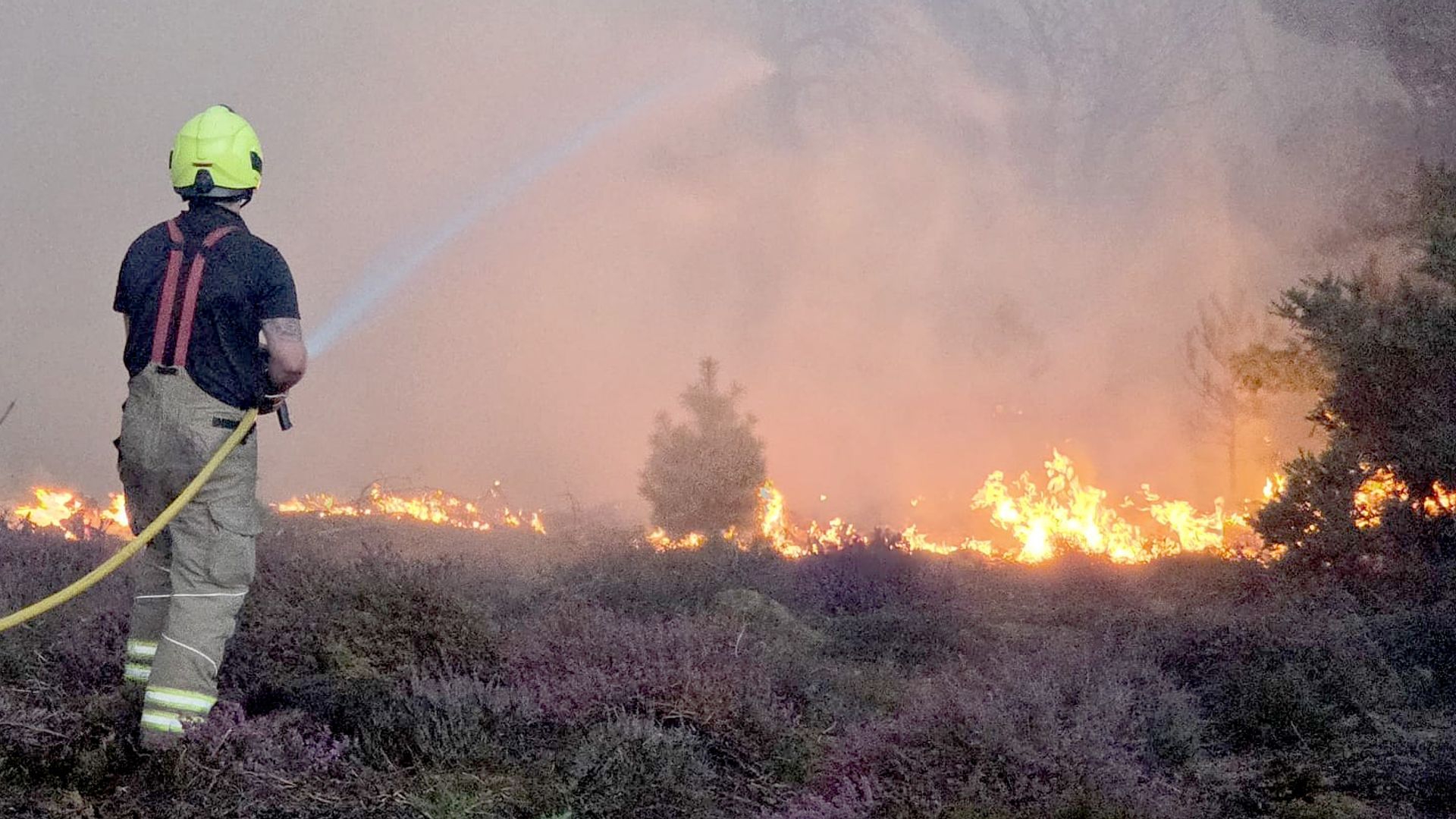
A major incident has been declared at Dunwich Heath, near Leiston, where a large-scale wildfire is consuming vast stretches of dry heathland. The fire, fanned by dry conditions and coastal winds, has overwhelmed local firefighting resources and prompted urgent calls for reinforcements.
Firefighters from Suffolk County Council have been deployed in full force, working tirelessly to contain the blaze and protect nearby communities. The severity of the fire has disrupted local transport and threatened wildlife habitats, making it one of the most challenging emergencies in recent years for the Suffolk coast.
Why This Matters: Political Pressure Mounts on the New Government
MPs across the political spectrum have voiced their anxiety that the wildfire crisis could rapidly erode public confidence in the new Prime Minister’s leadership. As the government scrambles to coordinate emergency responses and allocate resources, critics warn that any perceived mismanagement or delay could undermine the Prime Minister’s ability to consolidate power.
The early days of a new administration often come with a so-called “honeymoon period” — a window of goodwill where the public and parliament grant some leeway while the leader sets their agenda. However, unforeseen crises such as this wildfire can test a government’s resilience and decision-making under pressure.
Several MPs have highlighted the importance of swift, decisive action to control the fire and minimize damage. They emphasize that failure to effectively manage the situation risks not only environmental devastation but also political fallout that could destabilize the new government’s standing.
Government Response and What Comes Next
The government has mobilized emergency services and is coordinating with local authorities in Suffolk to contain the wildfire. Additional firefighting units from neighboring counties are expected to join the effort, alongside aerial support to tackle hard-to-reach areas.
Environmental experts warn that with climate change intensifying droughts and heatwaves, such wildfires could become more frequent and severe along the UK’s coasts and heathlands. This incident serves as a stark reminder of the urgent need for comprehensive strategies to manage natural disasters and protect vulnerable ecosystems.
For the Prime Minister, this crisis represents a critical test. How the government handles the wildfire could shape public perception for months to come, influencing both political capital and future policy priorities related to climate resilience and emergency preparedness.
What This Means Going Forward
The wildfire at Dunwich Heath underscores the fragile balance between natural disaster management and political stability. As MPs worry about the impact on the new Prime Minister’s honeymoon period, the broader implications touch on governance during crises and the rising challenges posed by climate change.
Effective leadership in this moment requires transparency, rapid mobilization of resources, and clear communication with affected communities. The government’s response will not only determine the immediate outcome of the wildfire but also set a precedent for handling future emergencies.
Ultimately, this situation highlights the intersection of environmental vulnerability and political accountability. The coming days will be crucial in revealing whether the new administration can rise to the occasion and maintain public trust amid mounting pressures.