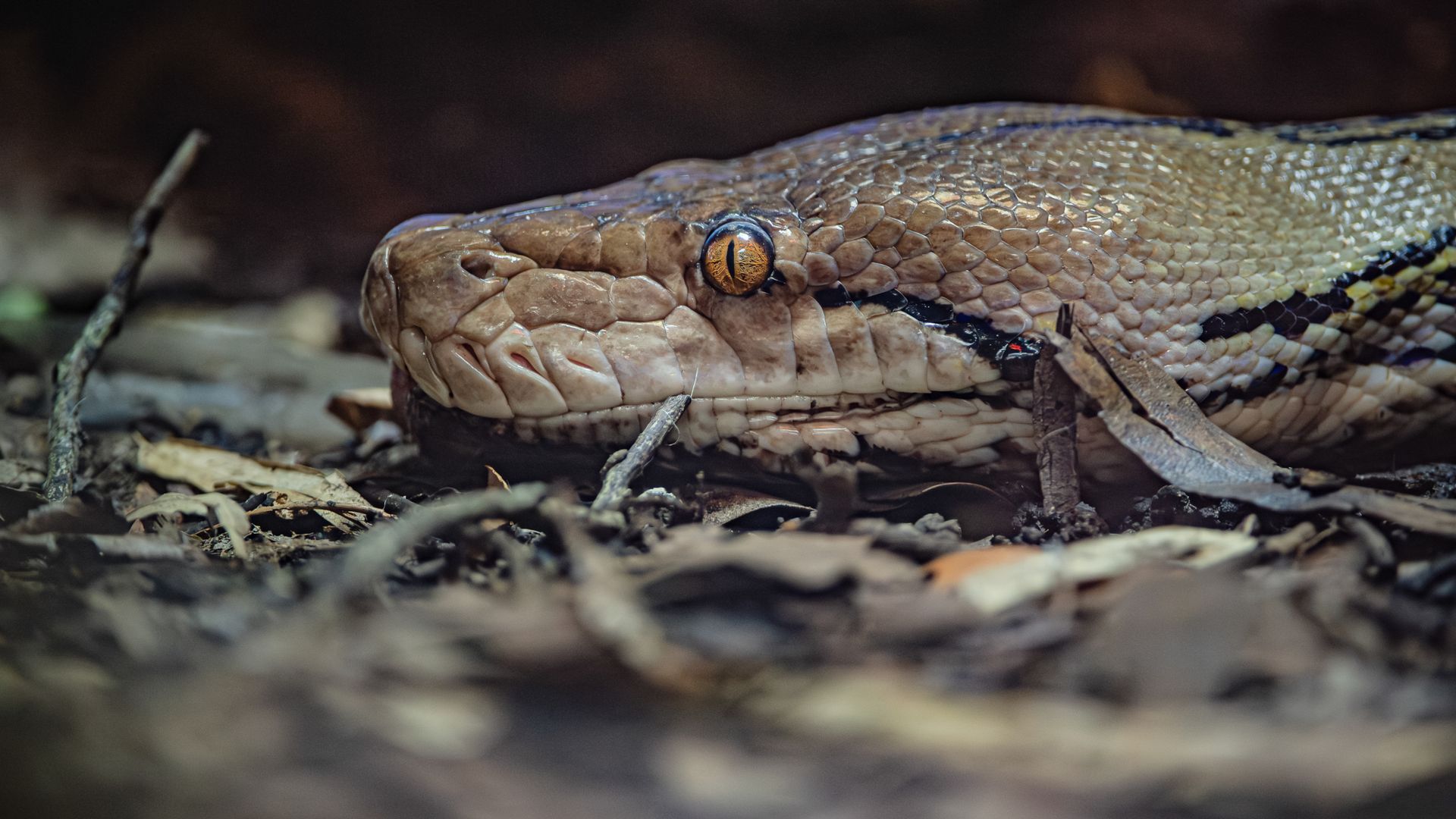
A remarkable medical breakthrough has saved a snake named Jodie Foster from a deadly cancerous tumor, marking a world-first in veterinary oncology. This innovative treatment, initially designed for humans, has opened new horizons for animal cancer care, offering hope to countless creatures afflicted by similar conditions.
The Life-Threatening Diagnosis
Jodie Foster, a beloved snake, faced a grim prognosis when veterinarians discovered a malignant tumor threatening her survival. Cancer in reptiles is notoriously difficult to treat due to their unique physiology and the limited veterinary protocols available. For Jodie, the tumor was not only life-threatening but also resistant to conventional treatment methods typically applied in reptiles.
Traditional surgical removal or chemotherapy options for reptiles often carry high risks and uncertain outcomes. This prompted the veterinary team to explore alternative approaches that could effectively target the tumor while minimizing harm to the snake’s delicate system.
Adapting Human Cancer Treatment to a Snake
In a groundbreaking move, veterinarians adapted a cancer treatment originally developed for humans to treat Jodie Foster. This approach involved precision medicine techniques, including targeted therapy designed to attack cancer cells specifically, reducing collateral damage to healthy tissue.
Such treatments are standard in human oncology but rarely applied in veterinary medicine, especially in reptiles. The successful adaptation required extensive collaboration between veterinary oncologists, researchers, and medical professionals specializing in human cancer therapies.
By tailoring the treatment protocol to Jodie’s unique biology, the team managed to halt the tumor’s growth and initiate its regression. This innovative approach not only saved Jodie’s life but also demonstrated the potential of cross-species medical solutions in veterinary care.
Why This Breakthrough Matters
This case represents more than just a victory for one snake—it signals a transformative shift in how veterinary oncology may evolve. Cancer is a growing concern in animal health as pets and wildlife live longer and face environmental risks similar to humans.
Applying human cancer treatments to animals breaks down previous barriers in veterinary medicine, enabling more effective and less invasive options for managing complex diseases. For reptiles like Jodie Foster, often overlooked in medical research, this breakthrough offers a new lease on life.
Moreover, this development encourages further research into comparative oncology—the study of cancer across different species—which can benefit both human and animal health. By understanding how cancer behaves and responds to treatment in various animals, scientists can refine therapies that enhance outcomes universally.
Looking Ahead: The Future of Animal Cancer Care
Jodie Foster’s recovery highlights the critical role of innovative veterinary care and interdisciplinary collaboration. As this treatment gains recognition, it is likely to inspire similar cases worldwide, fostering advancements in the diagnosis and management of cancer in exotic pets and wildlife.
Veterinary clinics may soon incorporate more human-derived cancer therapies, provided they adapt these techniques responsibly to suit different species’ needs. This case sets a precedent for combining cutting-edge human medicine with veterinary expertise, ultimately elevating standards of care.
For pet owners and conservationists alike, the success story of Jodie Foster offers renewed optimism. It underscores the importance of investing in veterinary research and expanding access to advanced treatments, ensuring that animals receive the best possible care regardless of species.
In conclusion, Jodie Foster’s survival through a pioneering cancer treatment not only saved her life but also carved a path for future medical innovations in veterinary oncology. This milestone exemplifies the power of adapting human medical advancements to animal health challenges, promising a brighter future for countless animals facing cancer worldwide.