

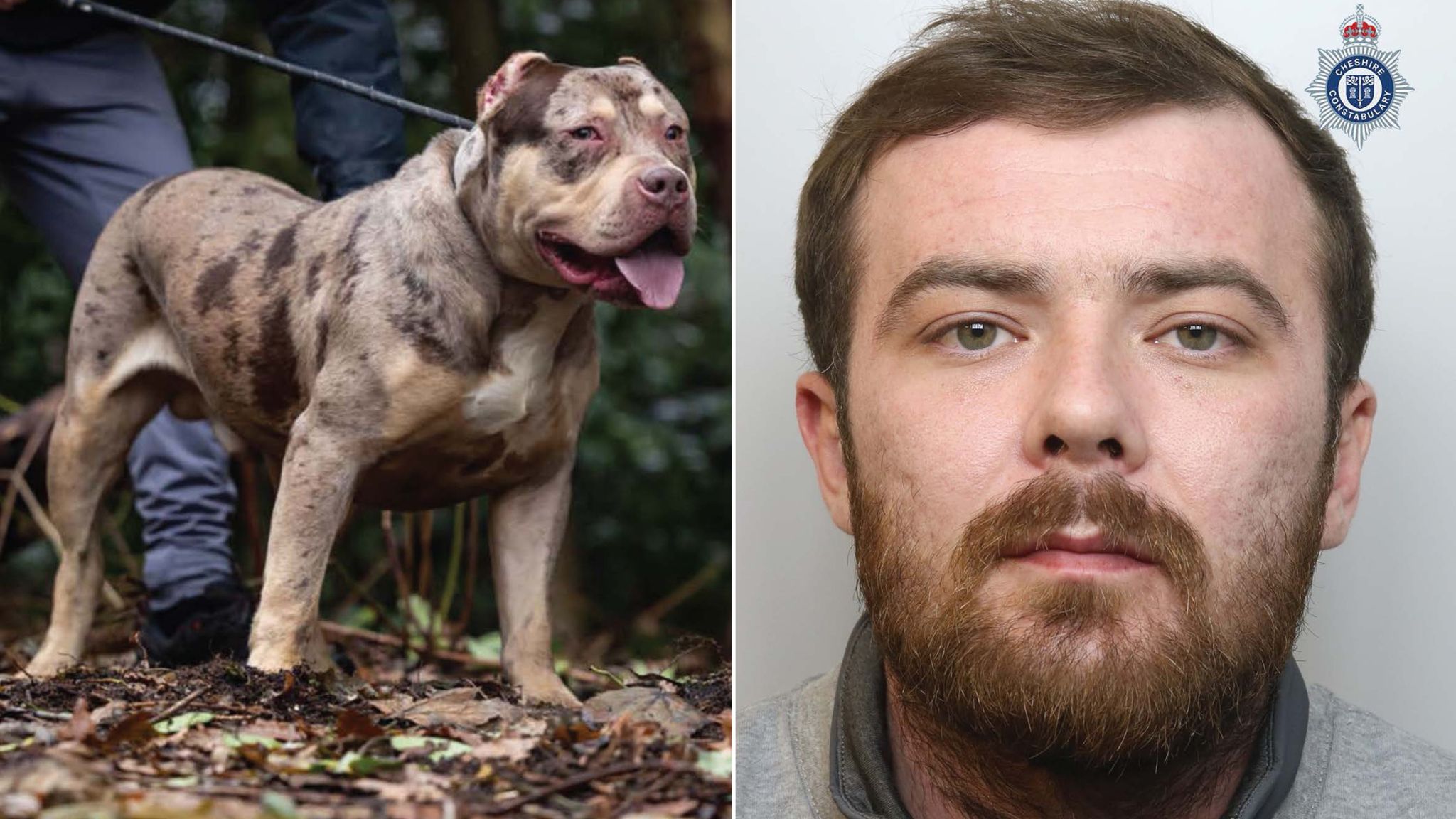
A devastating dog attack in Warrington, Cheshire, has led to a 12-year prison sentence for Sean Garner, who owned the XL bully responsible for the fatal mauling of an elderly man last year. The case has drawn national attention, highlighting the dangers of keeping banned dog breeds without proper control and the tragic consequences that can follow.
The Fatal Attack and Court Verdict
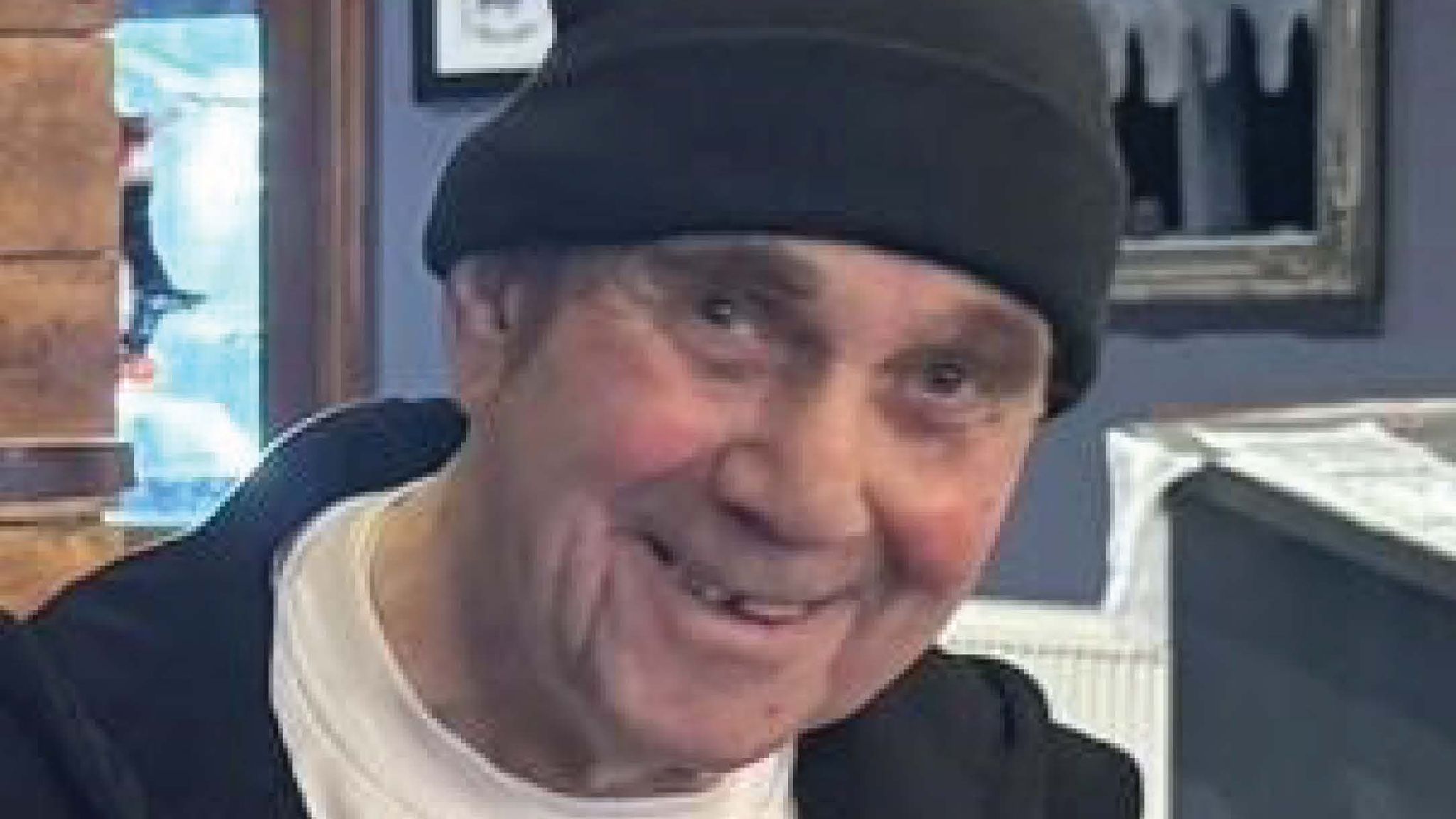
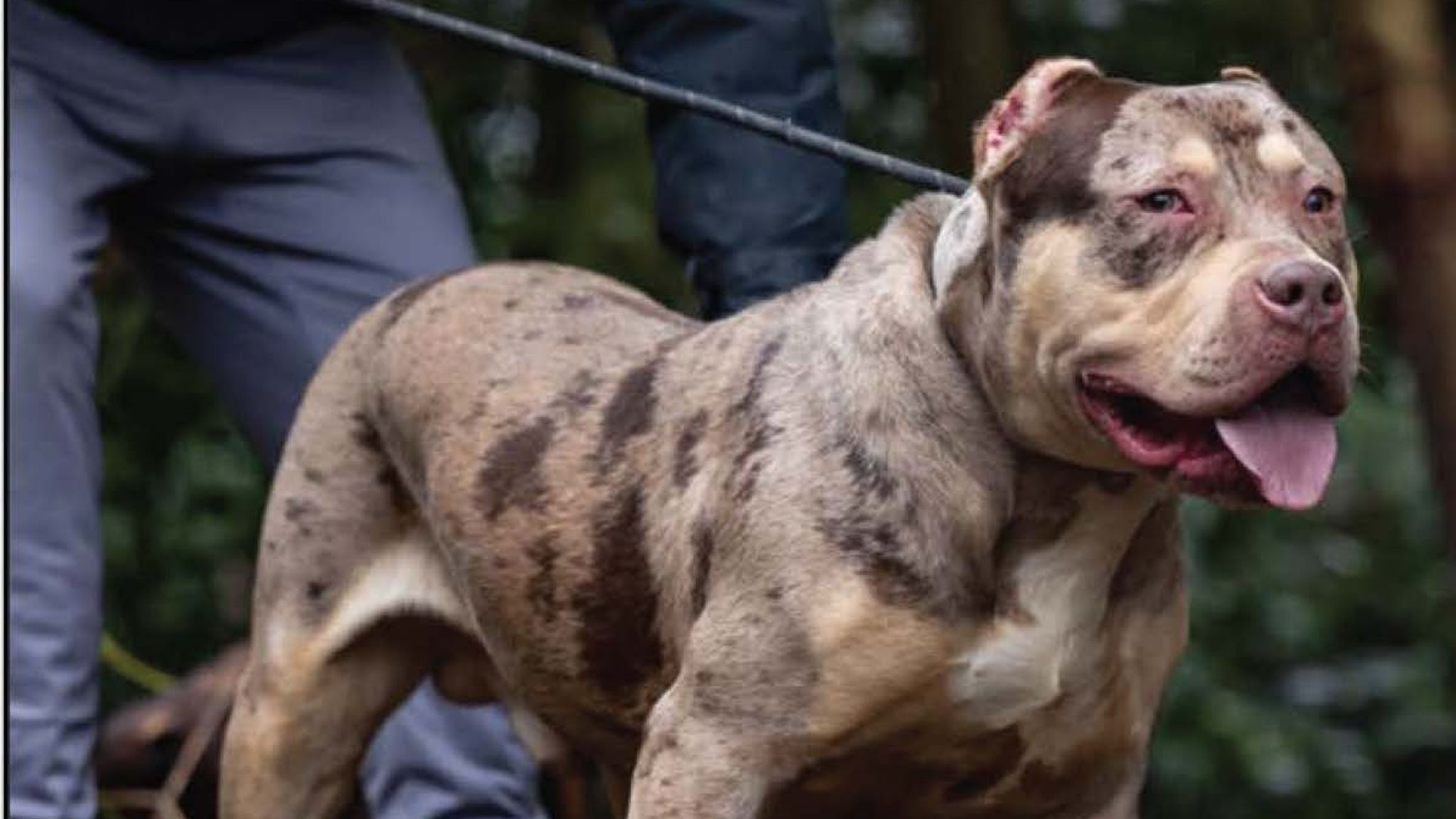
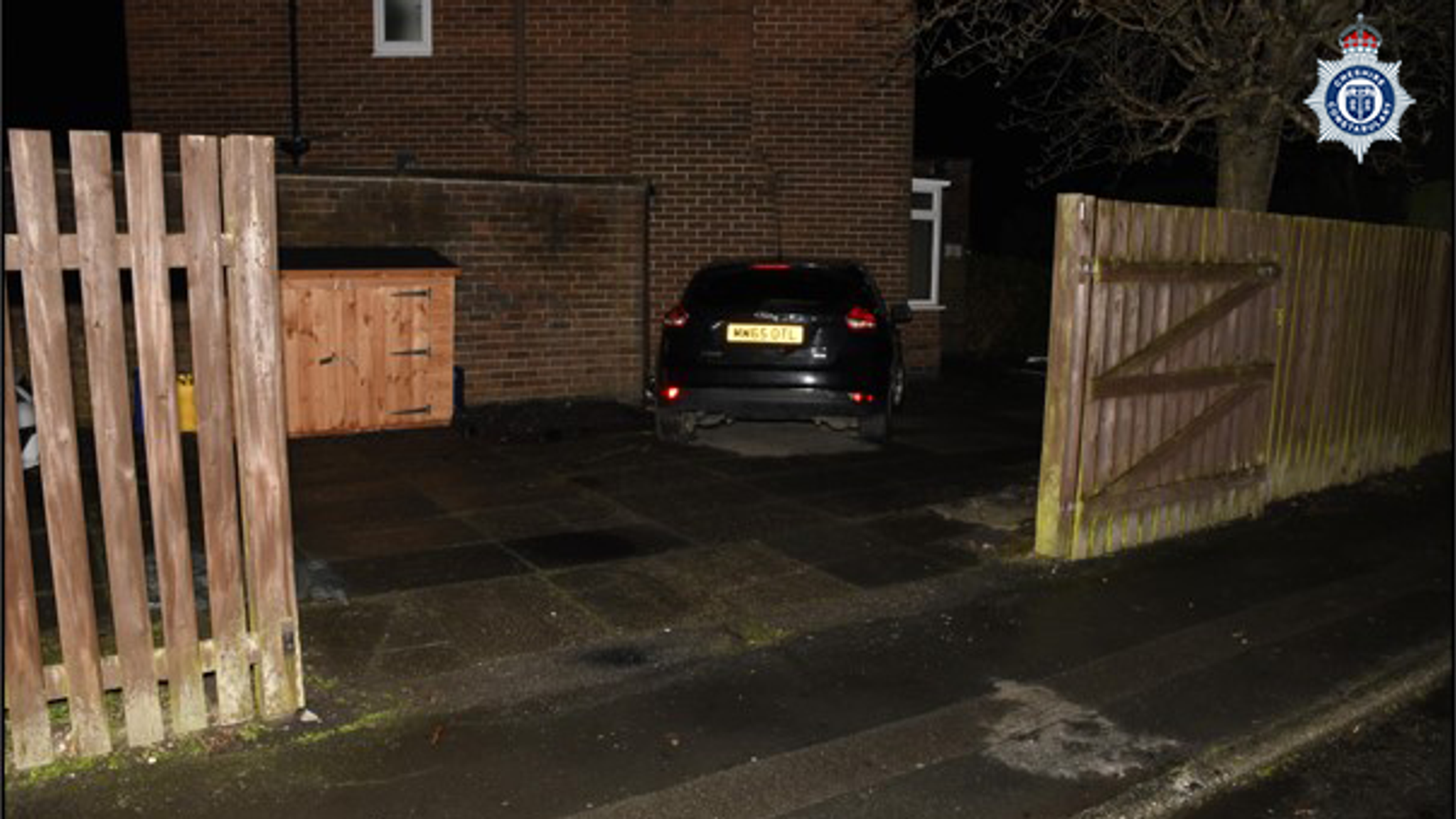
On 24 February 2023, 84-year-old John McColl suffered a brutal attack by an XL bully named Toretto, which left him with catastrophic facial injuries. The retired steel erector wandered onto the driveway of Garner’s home on Bardsley Avenue, where the dog savagely mauled him for 45 harrowing minutes. Despite remaining conscious throughout, Mr McColl succumbed to his injuries a month later.
Police officers responding to the scene were forced to shoot Toretto 10 times to end the attack. A second XL bully, a female named Malibu, was also shot inside the house by officers.
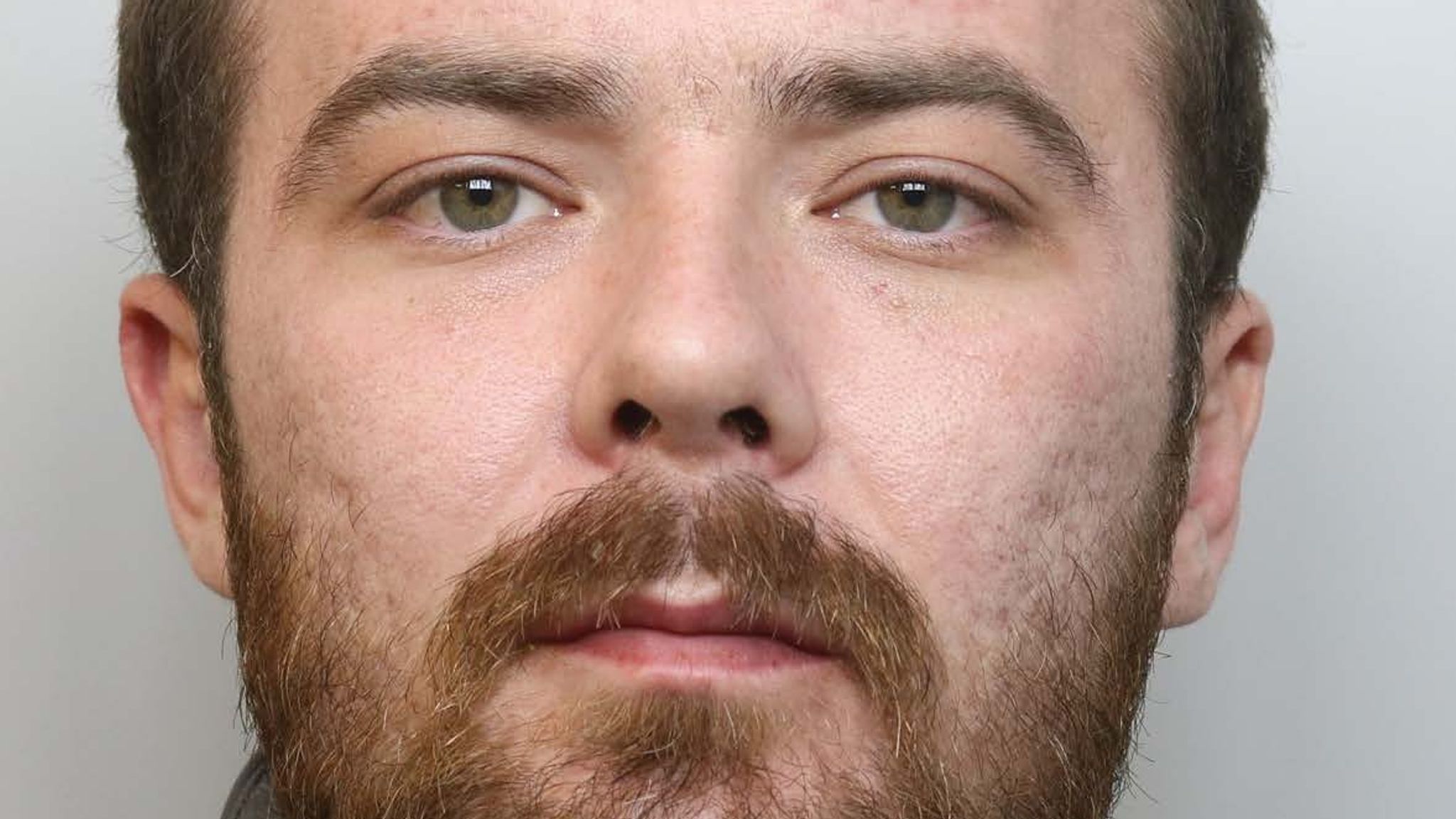
Garner, 31, had denied the charge of owning a dog dangerously out of control that caused injury, but the jury at Liverpool Crown Court found him guilty after a rigorous trial. He had previously admitted to illegally possessing both dogs without the required exemption certificates, as the breed is banned under UK law.
Family’s Heartbreaking Testimony and Courtroom Drama
Addressing Garner in court, Mr McColl’s granddaughter, Kelly Percival, delivered a powerful statement: “Your dog basically ate my grandad, but you and your family don’t care.” The family’s pain was echoed by Mr McColl’s daughter, Joanne Percival, who described the attack as an ongoing nightmare that haunts them daily.
Judge Brian Cummings KC condemned the suffering endured by Mr McColl, calling it “quite unspeakable” and emphasizing the retired man’s agony during the prolonged attack.
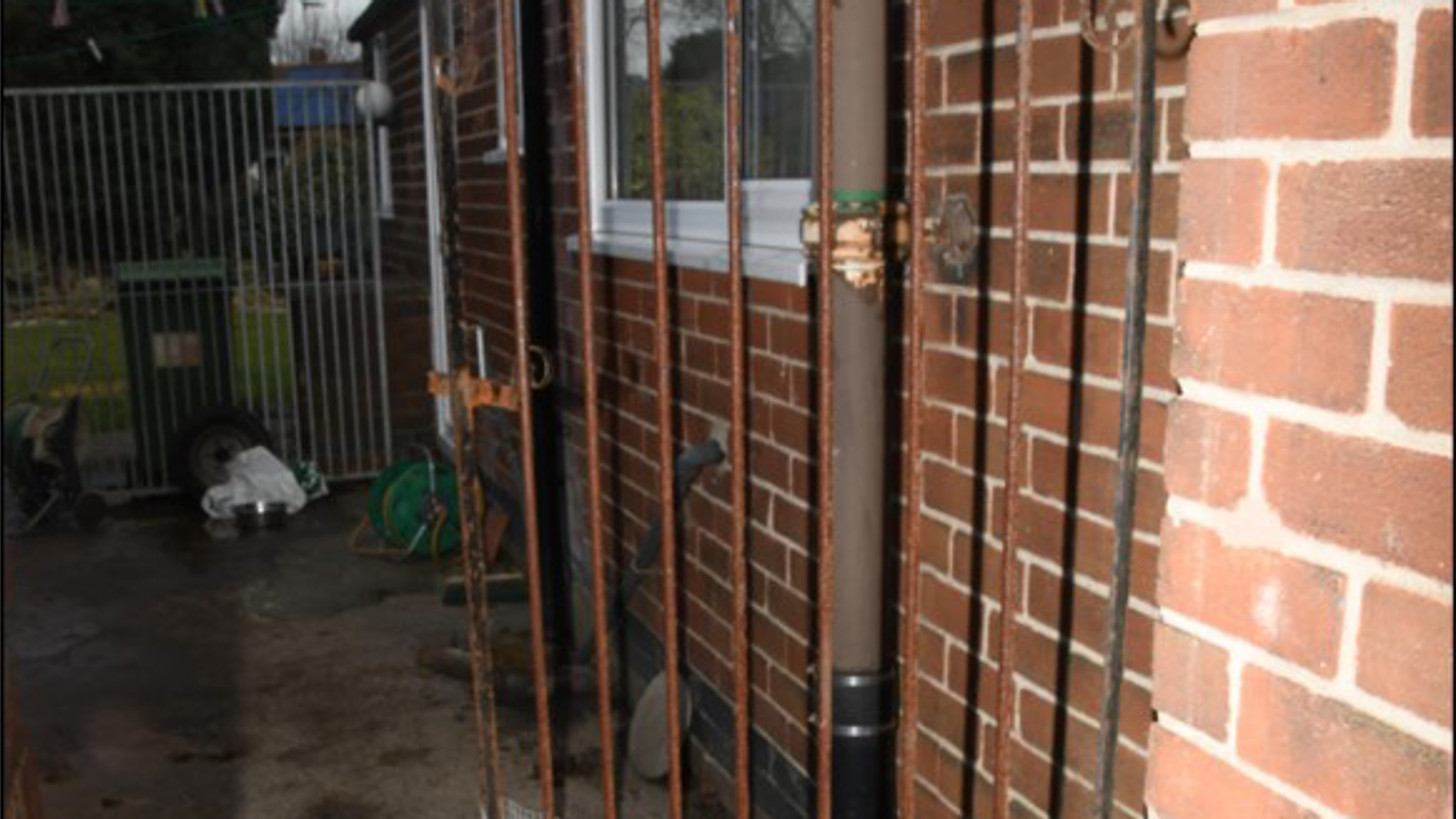
During the trial, the prosecution revealed that Garner left the XL bully on a patio secured only by a gate with a simple latch, insufficient to contain such a dangerous dog. Garner’s claims that Mr McColl released the dog from a padlocked shed were dismissed by the prosecution as “ludicrous” and “absurd.”
Prosecutor David Birrell labeled Garner a “selfish, reckless risk-taker” who showed no remorse, telling “bare-faced lies” throughout the proceedings. Joanne Percival reinforced this, stating Garner “has no empathy” and “has shown no remorse in court.” Kelly added that Garner has only expressed sympathy for himself, not for the victim or his family.
Why This Case Matters: The Risks of Banned Breeds and Owner Responsibility
The tragedy has sparked wider discussion about the responsibilities of dog owners, especially those who keep banned breeds like the XL bully. Joanne Percival warned that many owners might believe their dogs would never attack because they care for them—but the difference lies in responsible ownership.
“They probably wouldn’t [attack], because they are probably loved. They walk the dogs, look after the dogs, and that’s how you should keep a dog,” she stated. “Sean Garner did not look after that dog. He put it outside, where it escaped and caused this horrific tragedy. He knows the truth and will live with it for the rest of his life.”
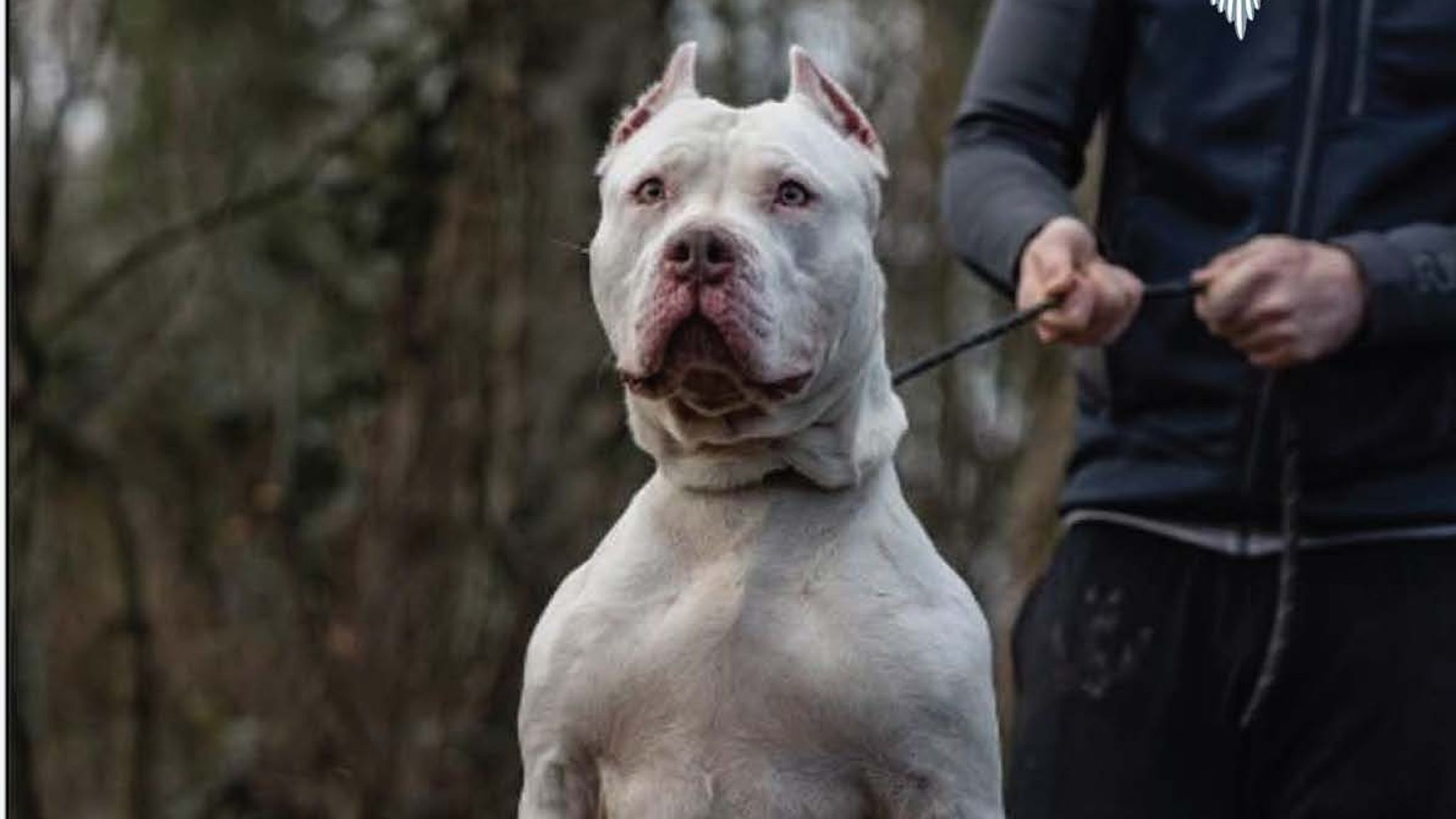
Garner admitted during the trial that he had not walked the dogs for about 10 days and only let them onto the patio for exercise. His defense lawyer, Lloyd Morgan, expressed Garner’s “deepest sympathy” for the family but this did little to assuage the profound grief and anger felt by the victim’s relatives.
Looking Ahead: Lessons from a Tragedy
This heartbreaking case serves as a stark reminder of the severe consequences when dangerous dogs are left uncontrolled. It underscores the importance of strict adherence to laws governing banned breeds and the critical need for responsible ownership to prevent such tragedies.
For the family of John McColl, the pain remains immeasurable, but the court’s decision delivers some measure of justice. As communities across the UK reflect on this case, it is clear that vigilance, regulation, and empathy must guide how dangerous animals are managed to protect lives.