Uganda’s President Yoweri Museveni has officially begun his seventh consecutive term, solidifying his position as one of Africa’s longest-serving leaders. At 81 years old, Museveni’s inauguration follows a contentious January election that sparked widespread debate and allegations of irregularities.
Security Measures and the Inauguration Ceremony
In the days leading up to the inauguration in Kampala, Uganda’s capital, authorities deployed heavy security forces, including armored tanks, to maintain strict public order. Police described these measures as necessary precautions amid heightened tensions following the disputed election.
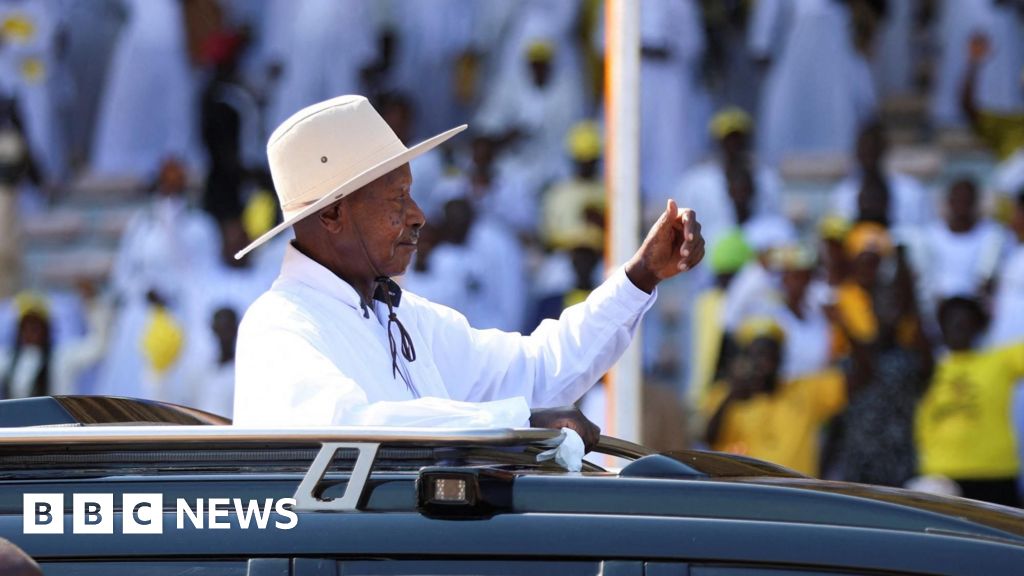
During the inauguration, Museveni addressed a large crowd, urging Ugandans to treat his new term as a critical period for national progress. “This is a time for no more sleep for all Ugandans,” he declared, emphasizing the importance of economic growth, job creation, and continuing the development trajectory established over the past four decades.
Museveni highlighted his administration’s achievements in fostering peace and building infrastructure since assuming power. His message centered on encouraging citizens to contribute actively towards wealth generation and national development.
The Election Results and Disputed Victory
The January elections awarded Museveni a commanding victory, with official results showing he secured over 70% of the vote. This outcome extends his presidency until 2031, marking an unprecedented duration in office.
However, the election was far from universally accepted. Bobi Wine, the 44-year-old opposition leader and former pop star whose real name is Robert Kyagulanyi Ssentamu, vehemently rejected the results. Wine accused the government of “ballot-stuffing” and election fraud, claims that election officials have firmly denied.
Following the election, Bobi Wine fled Uganda, citing fears for his personal safety. He stated that the ruling regime sought to eliminate him, underscoring the deep political divisions and volatility that continue to characterize Uganda’s political landscape.
Museveni’s Long-Standing Rule and Its Implications
Museveni first rose to power in 1986 after leading a rebel insurgency that toppled the previous government. Since then, he has maintained control through successive elections, each marked by varying degrees of controversy and opposition challenges.
His seven terms in office represent a remarkable tenure in African politics, where leadership changes can be unpredictable and often fraught with conflict. Museveni’s continued hold on power has sparked ongoing debates about democratic governance, political freedoms, and the future direction of Uganda.
Critics argue that Museveni’s extended rule reflects a consolidation of power that stifles dissent and undermines democratic institutions. Supporters, on the other hand, cite his role in stabilizing Uganda and driving infrastructural and economic development as key achievements.
What This Means for Uganda’s Future
Museveni’s seventh term heralds a critical juncture for Uganda. The president’s call for increased productivity and peace underscores the government’s priorities, but the ongoing political tensions and opposition grievances present significant challenges.
The international community and Ugandans alike will be watching closely to see how Museveni’s administration balances maintaining stability with addressing demands for greater political openness and fairness.
As the country moves forward, the question remains whether this extended tenure will foster inclusive growth and democratic progress or deepen divisions and authoritarianism.
Full details regarding the administration’s plans and responses to opposition concerns have yet to be fully disclosed, leaving Uganda’s political trajectory open to significant developments in the coming years.