

Fourteen suspected migrant smugglers have stood trial in Paris, charged in connection with a tragic Channel crossing five years ago that claimed the lives of more than 30 people. This case highlights the ongoing human cost of perilous migration routes and the enduring challenges facing European authorities in combating organized smuggling networks.
The Deadly Channel Crossing Incident
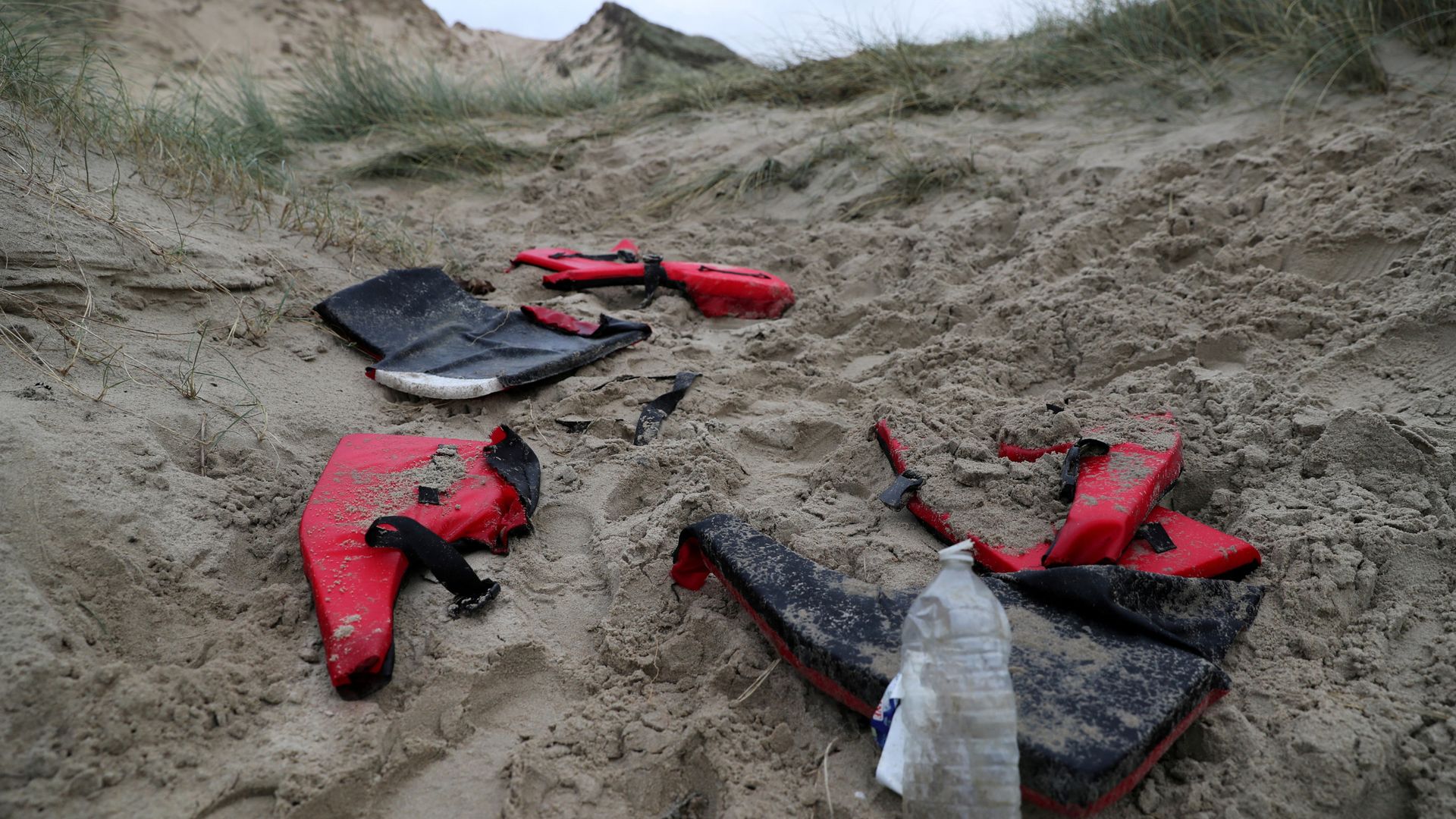
In a harrowing event that shocked Europe, over 30 migrants drowned while attempting to cross the English Channel—a narrow but notoriously dangerous stretch of water separating France and the United Kingdom. The tragedy occurred five years ago and remains one of the deadliest maritime disasters involving migrants in recent memory.
The victims were primarily individuals fleeing conflict, poverty, or persecution in their home countries, risking everything for a chance at safety and a better life in the UK. Many embarked on the journey in unseaworthy vessels, often overcrowded and ill-equipped for the rough waters of the Channel.
Authorities quickly launched investigations into the incident, focusing on the criminal networks behind the smuggling operations. The suspects now on trial in Paris are accused of organizing and facilitating these illegal crossings, which routinely endanger countless lives.
Who Are the Accused and What Are the Charges?
The 14 men brought before the Paris court are suspected of playing key roles in the smuggling ring responsible for the fateful crossing. While specific details of their involvement have not been fully disclosed, French prosecutors have charged them with human trafficking, endangering lives, and other related offenses.
The trial represents a critical step in holding smugglers accountable for the exploitation and loss of life that frequently accompanies illegal migration attempts across the Channel. These criminal networks often operate with impunity, profiting from vulnerable migrants desperate to escape untenable conditions.
French authorities have intensified efforts to dismantle these groups, increasing surveillance and cooperation with British counterparts. However, the persistence of such tragedies underscores the complexity of the issue, which spans international borders and involves deep-rooted socioeconomic factors.
Why This Trial Matters
This trial is not just a legal proceeding—it serves as a stark reminder of the human tragedy behind migration statistics and headlines. The deaths that occurred during the Channel crossing symbolize the extreme risks migrants endure and the urgent need for comprehensive policies addressing migration and border security.
Moreover, the case highlights the ongoing challenges European nations face in balancing humanitarian responsibilities with border control. While cracking down on smugglers is essential, experts emphasize that broader solutions must include safe and legal pathways for asylum seekers and refugees.
The trial also sends a clear message to criminal networks profiting from human misery: there are consequences for endangering lives for financial gain. Successful prosecutions may deter future smuggling attempts and encourage more coordinated international responses.
Looking Ahead: The Broader Impact
As the trial unfolds, its outcomes will likely influence future policies and law enforcement strategies related to migrant smuggling. The Channel remains a focal point for dangerous crossings, with hundreds attempting the journey each year despite the risks.
European governments continue to grapple with how to manage migration flows effectively while preventing further loss of life. This trial underscores the critical importance of international collaboration, intelligence sharing, and humanitarian support for migrants in transit.
Ultimately, the case spotlights a tragic chapter in Europe’s migration crisis and the ongoing struggle to protect vulnerable populations from exploitation and harm. The world will be watching closely as justice is pursued for those lost in the Channel and for the countless others who risk everything seeking safety.