

In a striking and dangerous incident, around 140 migrants were intercepted in a single, overcrowded small boat crossing the English Channel. This operation highlights ongoing challenges faced by authorities in managing the surge of migrant crossings in one of the world’s busiest waterways.
What Happened During the Interception?
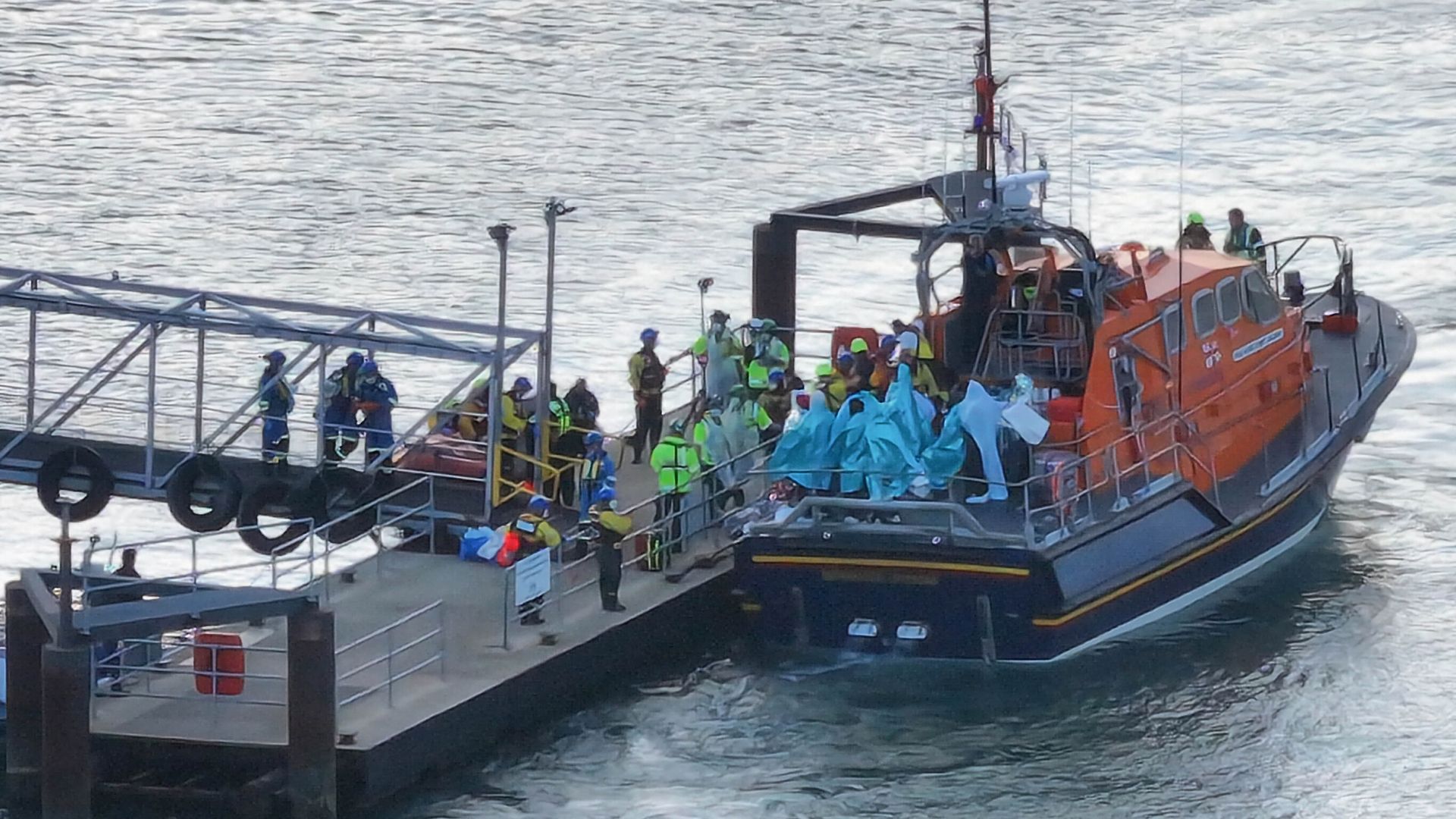
Border enforcement agencies detected and intercepted a small vessel carrying approximately 140 migrants attempting to cross the English Channel. The boat, severely overcrowded, posed a significant safety risk to everyone on board. These crossings have become increasingly frequent as migrants seek to reach the United Kingdom, often fleeing conflict, persecution, or economic hardship in their home countries.
The English Channel, the narrow stretch of water between southern England and northern France, has become a focal point for migrant crossings. Despite harsh conditions and the dangers of small boats navigating busy shipping lanes, many continue to attempt the perilous journey. The interception involved coordinated efforts by maritime patrols and border officials to safely detain the migrants and prevent any loss of life.
Why Are So Many Migrants Attempting the Channel Crossing?
The rise in Channel crossings reflects broader global migration trends fueled by instability in regions such as the Middle East, Africa, and parts of Asia. Many migrants view the United Kingdom as a destination offering better economic opportunities, safety, and asylum options.
Smugglers often exploit these desperate individuals, packing them into dangerously small boats to maximize profits. The overcrowding drastically increases risks of capsizing, drowning, or hypothermia. Authorities warn that journeys like these are life-threatening and underscore the urgent need for safe, legal migration routes.
The British government has implemented various measures aimed at deterring such crossings, including increased maritime patrols and negotiations with French authorities to control departure points. However, the persistence of these attempts highlights the complexity of the issue and the need for comprehensive international cooperation.
What This Means for Border Security and Migrant Safety
The interception of 140 migrants in one vessel underscores the scale and urgency of migration challenges along the English Channel. Border agencies face the dual task of protecting national security while ensuring humanitarian treatment for vulnerable migrants.
Coordinated operations between UK and French authorities are essential to manage the flow safely and efficiently. Efforts to dismantle smuggling networks and provide alternative legal pathways for migrants must be intensified to reduce reliance on dangerous crossings.
Moreover, this incident serves as a stark reminder of the human cost involved. Many migrants risk their lives in hope of a better future, and incidents like these highlight the ongoing need for robust rescue and support systems.
Looking Ahead: Addressing the Channel Crossing Crisis
As migrant crossings continue, governments on both sides of the Channel face mounting pressure to develop sustainable solutions. This includes enhancing border security, increasing rescue capabilities, and fostering international agreements to address root causes of migration.
The recent interception of 140 individuals in a single boat is a powerful example of the scale and danger of this issue. It calls for urgent, coordinated action from policymakers, law enforcement, and humanitarian agencies alike.
Ultimately, the goal remains clear: to safeguard lives, uphold national security, and create viable pathways for those seeking refuge, preventing tragedies in the Channel waters.