

The British Royal Family has revealed eye-opening financial details about the extensive refurbishment of Buckingham Palace, with costs soaring to £370 million. Despite this massive investment, it appears that King Charles III will not reside in the palace once the renovations are complete, signaling a significant shift in royal tradition and estate use.
Inside the £370 Million Buckingham Palace Renovation
The newly released documents provide an unprecedented look into the financial commitments behind the refurbishment of Buckingham Palace, the iconic London residence that has served as the monarch’s home and administrative headquarters for over 170 years. This £370 million overhaul is one of the largest and most ambitious restoration projects in the palace’s history.
The renovation aims to modernize key infrastructure, including electrical wiring, plumbing, heating, and fire safety systems, many of which have become outdated and pose risks to the historic building. Alongside these essential upgrades, the project will address significant structural repairs, enhance accessibility, and improve energy efficiency with a focus on sustainability.
Given Buckingham Palace’s status as both a working royal office and a symbol of British heritage, the refurbishment balances preserving its historic character with adapting it for 21st-century needs. The scale of the project underscores the complexities involved in maintaining and operating one of the world’s most famous royal residences.
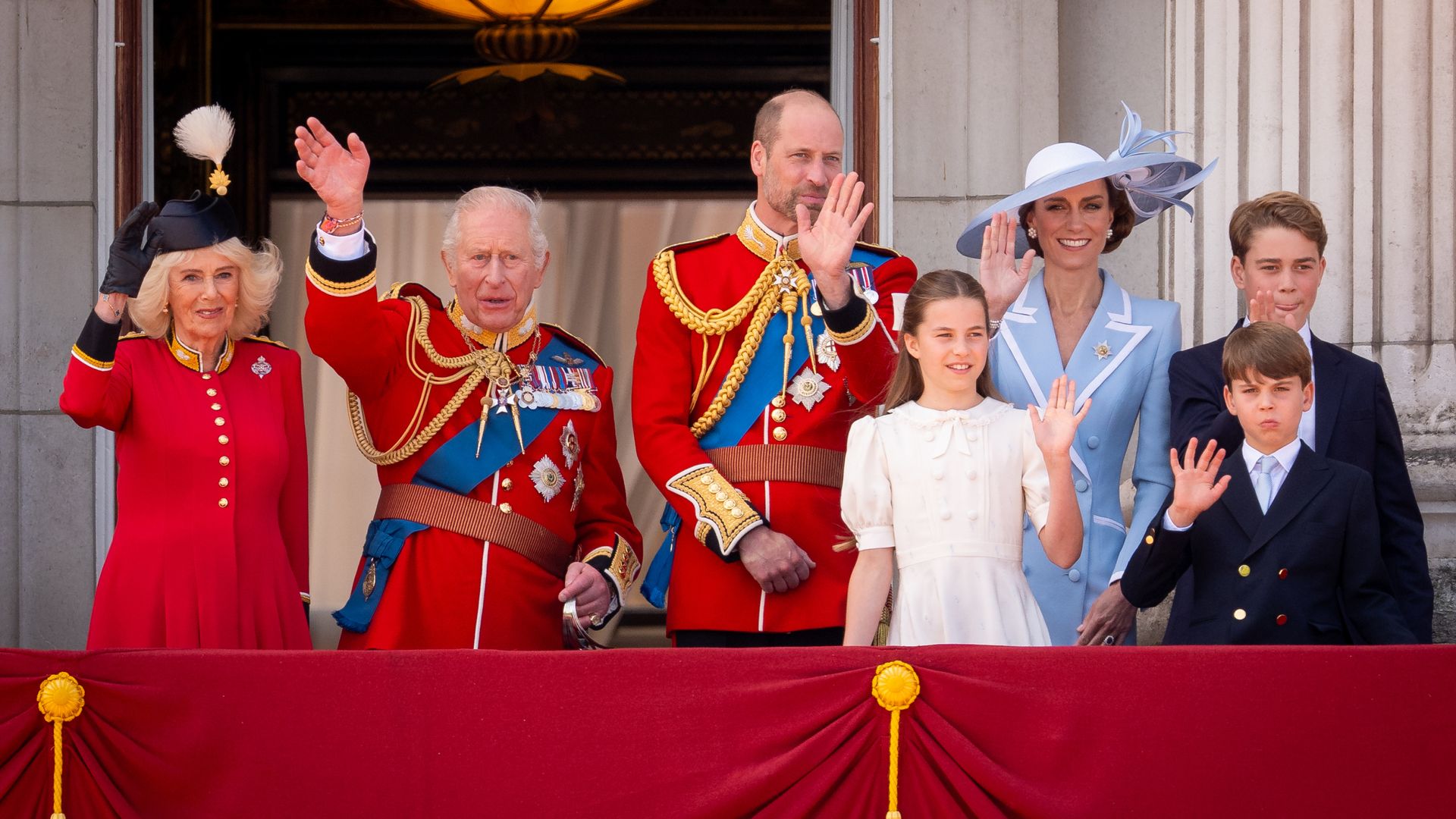
Why King Charles III Won’t Live at Buckingham Palace
One of the most striking revelations from the documents is that King Charles III does not intend to live in Buckingham Palace after the renovations conclude. Instead, the monarch plans to reside at Kensington Palace, a move that breaks from a longstanding tradition of British sovereigns inhabiting Buckingham Palace as their primary London residence.
This decision reflects King Charles’s personal preferences and his modern approach to royal life. Kensington Palace offers a more intimate and manageable living space compared to the vast and formal Buckingham Palace. Moreover, the King’s choice aligns with his known interest in sustainability and a less ostentatious lifestyle.
While Buckingham Palace will continue to serve as the official London residence for many royal events, ceremonies, and state functions, the King’s relocation marks a symbolic shift in how the royal family manages their properties and public roles.
What the Renovation Means for the Future of the Royal Family and Buckingham Palace
This massive refurbishment project raises important questions about the future use and significance of Buckingham Palace. By investing heavily in the palace’s infrastructure, the Royal Household ensures the building remains fit for purpose as a center for public engagement, official events, and cultural heritage for decades to come.
At the same time, King Charles’s decision to live elsewhere suggests a potential reimagining of the palace’s role. Buckingham Palace may evolve into a venue primarily dedicated to public ceremonies, hosting dignitaries, and royal administration, rather than serving as a royal home.
The renovation also reflects broader efforts by the monarchy to modernize and adapt to contemporary expectations. This includes improving accessibility for visitors, enhancing environmental sustainability, and better preserving the historic fabric of the estate.
Financially, the £370 million price tag underscores the enormous costs involved in maintaining such an iconic but aging heritage site. The funds come from a combination of public sources and the Royal Household’s own revenues, highlighting the delicate balance between tradition, public accountability, and private interests in managing royal properties.
Looking Ahead: The Legacy of Buckingham Palace’s Transformation
The extensive refurbishment of Buckingham Palace represents a pivotal moment for the British monarchy. It not only preserves a symbol of national identity but also signals a willingness to evolve with the times. King Charles III’s choice to live outside the palace highlights a personal and institutional shift toward modernization and sustainability within the royal family.
As Buckingham Palace undergoes this historic transformation, it will continue to stand as a centerpiece of Britain’s cultural and political life. The renovation ensures that future generations can experience the palace’s grandeur while adapting it for contemporary use and conservation.
The project’s completion will be closely watched as a barometer of how the monarchy balances the weight of tradition with the demands of the modern world, shaping the future of the British Crown and its iconic residences.