

In a startling revelation, new data exposes that 403 NHS patients suffered from critical medical errors last year—mistakes so severe they are classified as “never events,” incidents that should never happen in healthcare. These alarming lapses include surgeries performed on the wrong body part, accidental removal of healthy organs, and leaving surgical gloves inside patients after procedures.
What Are ‘Never Events’ and Why They Matter
‘Never events’ represent the most serious types of medical errors. These incidents are deemed entirely preventable and indicate fundamental failures in hospital protocols and patient safety measures. Examples include wrong-site surgeries, retained foreign objects such as sponges or instruments, and removal of the wrong organ or tissue.
Each ‘never event’ carries potentially devastating consequences for patients, ranging from physical harm to prolonged recovery times, additional surgeries, and in some cases, life-threatening complications. The NHS categorizes these mistakes as unacceptable and mandates thorough investigations to prevent recurrence.
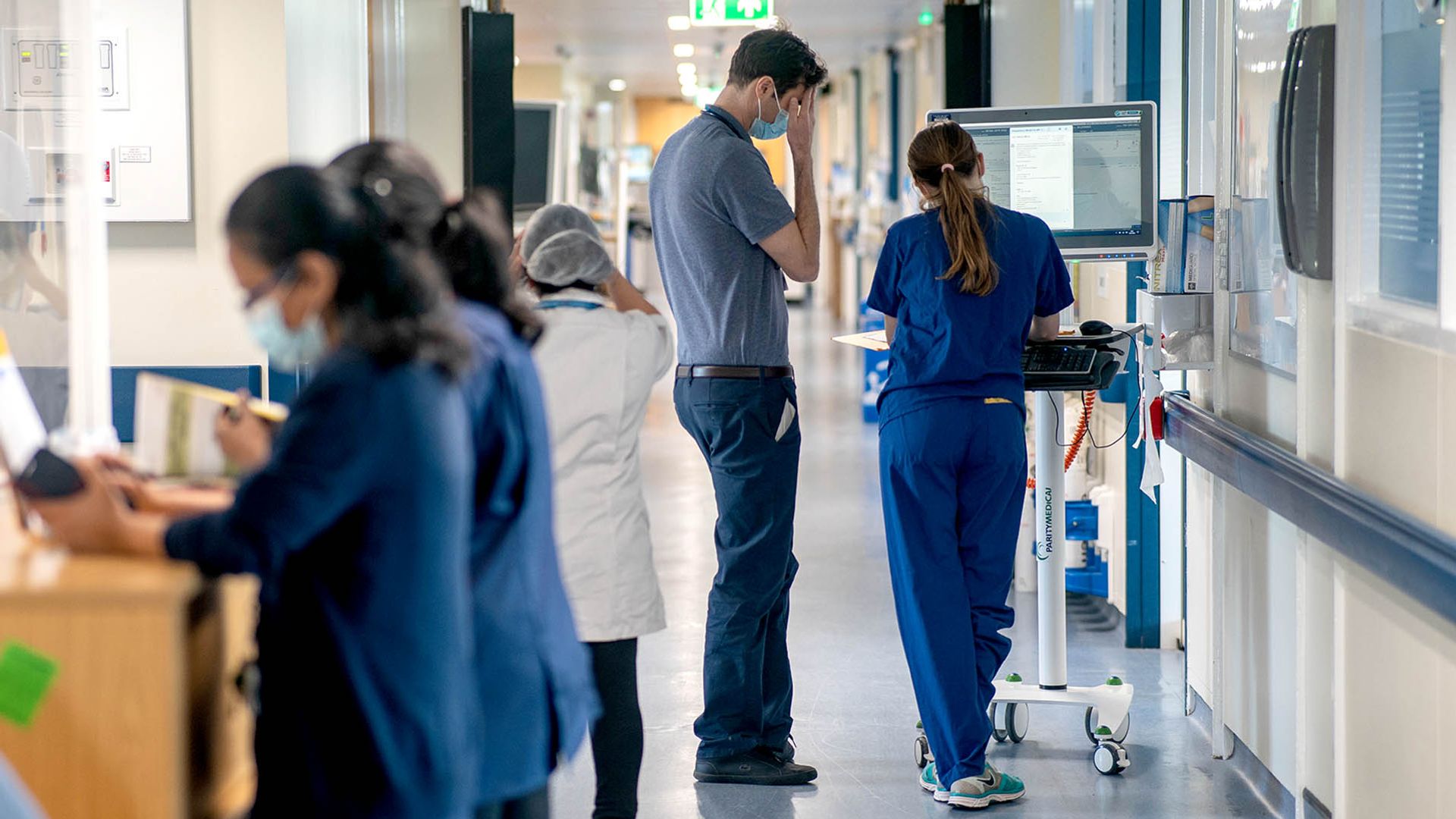
The fact that 403 such events were reported in a single year raises urgent questions about systemic vulnerabilities within the NHS. It highlights gaps in surgical safety checklists, staff communication, and overall quality control in hospitals.
Details of the Most Alarming Errors Reported
Among the most concerning mistakes, there were instances where surgeons operated on the wrong body part. Such errors not only cause unnecessary trauma but also delay the correct treatment, worsening patient outcomes.
Another troubling category involved accidental removal of healthy organs. For example, a patient might undergo surgery for a problematic kidney, but instead, the healthy one is removed. This kind of error can lead to permanent disability or require complex corrective procedures.
Perhaps most shocking are the cases where medical items, such as surgical gloves, were inadvertently left inside patients. Retained foreign objects can lead to infections, pain, and the need for additional operations to retrieve the items. These incidents are widely viewed as fundamental lapses in operating room protocols.
Why These Failures Persist and What Needs to Change
Despite decades of improving patient safety standards, these errors continue to surface due to a combination of human error, communication breakdowns, and procedural shortcomings. The high-pressure environment of surgical theaters, understaffing, and inconsistent adherence to safety checklists contribute to the risk.
Addressing these issues requires a multifaceted approach. Firstly, hospitals must rigorously enforce surgical safety protocols, including the WHO Surgical Safety Checklist, which mandates verification of patient identity, procedure, and surgical site before incision.
Secondly, fostering a culture of open communication among surgical teams is crucial. Encouraging staff to speak up about potential concerns without fear of reprisal can catch errors before they happen.
Lastly, investing in staff training and ensuring adequate staffing levels can reduce fatigue-related mistakes. Technology such as barcoding surgical instruments or using radiographic screening post-operation can also help detect retained items early.
What This Means for Patients and the NHS Moving Forward
The revelation of 403 ‘never events’ in one year is a sobering reminder of the ongoing challenges in delivering safe healthcare. For patients, it underscores the importance of being proactive—asking questions, confirming surgical details, and understanding their treatment plans.
For the NHS, these figures serve as a call to action to redouble efforts in patient safety initiatives. Transparency in reporting, accountability for errors, and continuous quality improvement must remain top priorities to restore public trust and prevent future harm.
Ultimately, eliminating ‘never events’ requires commitment at all levels—from frontline clinicians to hospital administrators and policymakers—to create a healthcare system where patient safety is truly paramount.