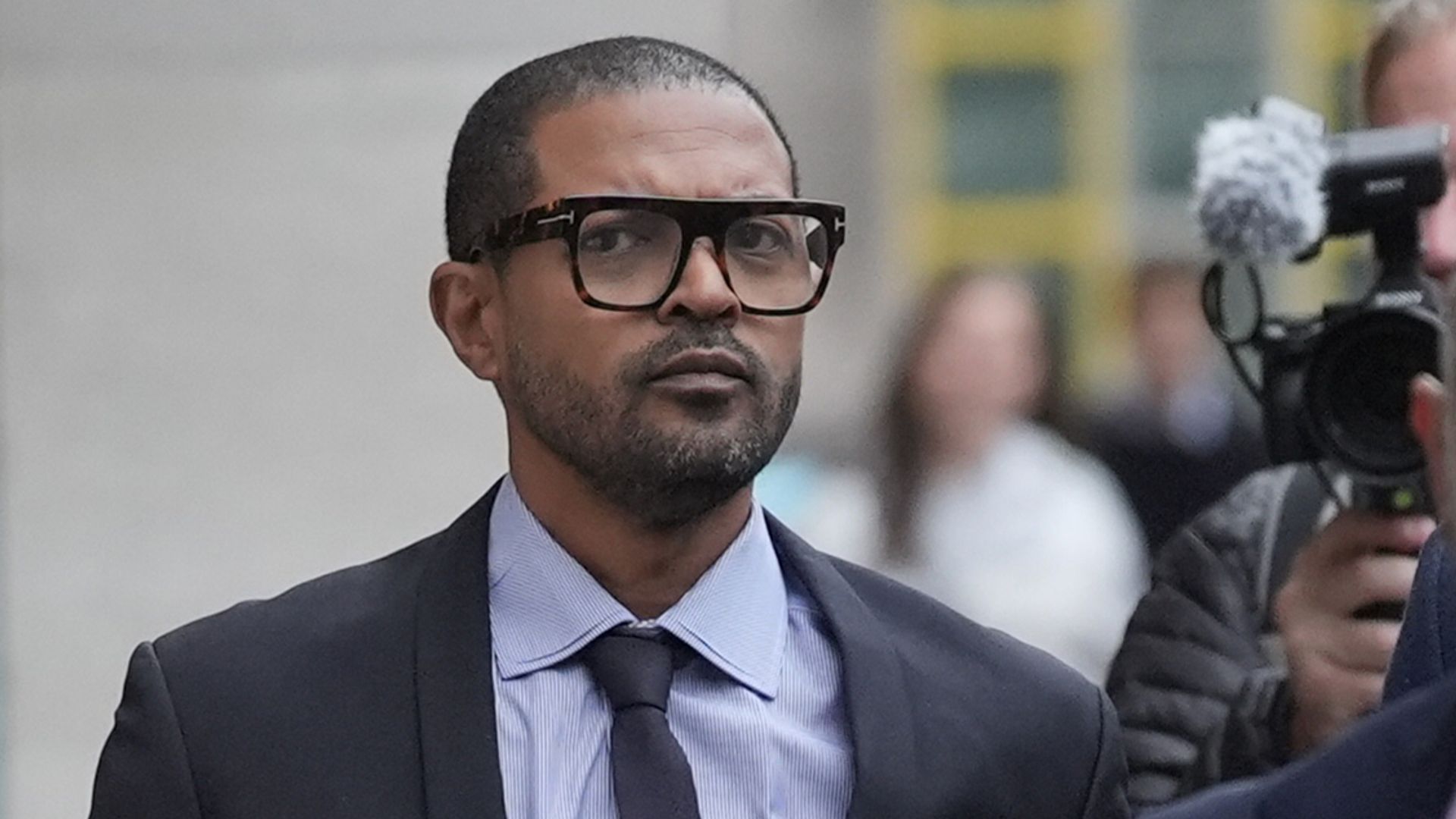
Jason Arday, a former professor at the prestigious University of Cambridge, has been found dead following a highly publicized plagiarism scandal that led to his resignation. The incident has sent shockwaves through academic circles, sparking intense discussions about ethics, accountability, and the pressures faced by educators in elite institutions.
What Happened: The Plagiarism Allegations and Resignation
Jason Arday’s academic career came under scrutiny after allegations emerged accusing him of plagiarism in his published work. These accusations prompted an internal investigation by the University of Cambridge, which culminated in his resignation. Details surrounding the specific works involved and the extent of plagiarism have not been fully disclosed, but the controversy severely damaged his professional reputation.
Arday was known for his contributions to social sciences and race studies, areas in which he had garnered respect and recognition. His unexpected departure from Cambridge left many in the academic community stunned, as plagiarism accusations are rare yet severely consequential in such high-profile institutions.

The Impact on the Academic Community and Public Reaction
The news of Arday’s death shortly after the scandal broke has added a tragic dimension to an already fraught situation. Colleagues and students have expressed shock and grief, highlighting the intense pressure and scrutiny academics face, particularly at world-renowned universities. The intersection of personal struggles and professional challenges has come under the spotlight, raising questions about support systems for academics under investigation.
Public discourse has also focused on the broader implications of plagiarism in academia. While plagiarism is unequivocally condemned, the conversation has shifted toward understanding the environments that may contribute to such misconduct. Arday’s case underscores the importance of maintaining rigorous ethical standards while also fostering a culture that supports transparency and rehabilitation.
What This Means: Ethics, Accountability, and Moving Forward
The death of Jason Arday amid a plagiarism row serves as a sobering reminder of the high stakes involved in academic integrity. Universities worldwide are likely to revisit their policies and support mechanisms to better address allegations of misconduct while safeguarding the wellbeing of their staff and students.
For Cambridge, this incident may prompt a renewed commitment to transparency and accountability, alongside proactive mental health initiatives. The tragedy also highlights the need for open dialogue about the pressures academics face and the importance of ethical vigilance without compromising compassion.
As the academic community mourns Jason Arday, it must also reflect on the systemic issues that may contribute to such crises. Ensuring that institutions balance accountability with support is crucial to preventing similar outcomes in the future.
In closing, Jason Arday’s story is a complex and tragic example of the challenges embedded within academia. It calls for a nuanced approach to ethics enforcement, mental health, and institutional responsibility—lessons that extend far beyond one individual or one university.