A brutal and religiously aggravated assault left a young Sikh woman scarred, but the man responsible now faces a life sentence with a minimum term of nearly 14 years. John Ashby, 32, received his sentence at Birmingham Crown Court after a harrowing case that exposed hatred fueled by racism and religious intolerance.

The Attack and Court Proceedings
The horrific incident occurred in Walsall last October when Ashby targeted the victim after spotting her on a bus. Prosecutors revealed that Ashby followed the woman from public transport to her home, where he forced entry and committed the violent attack.
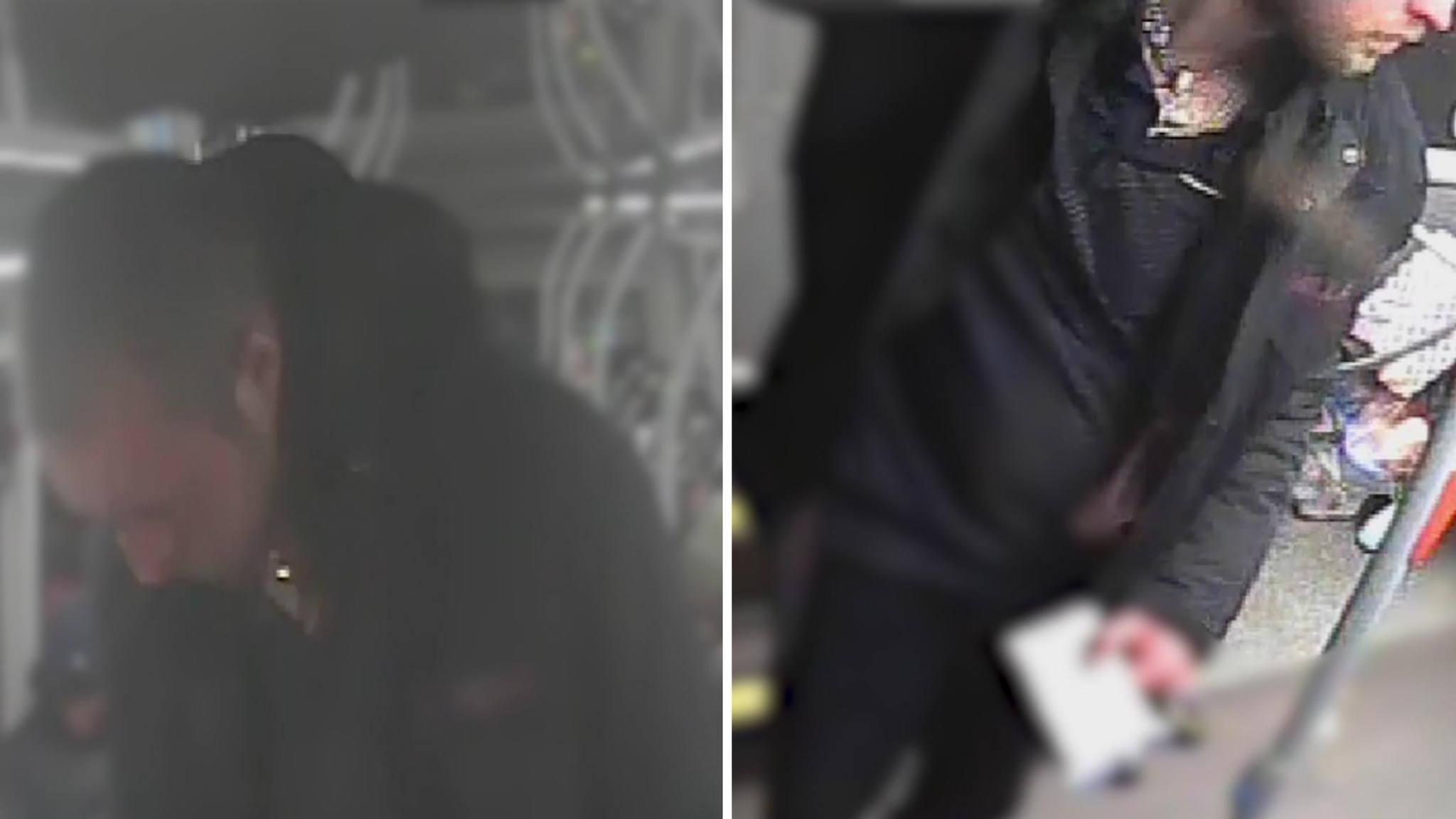
Initially pleading not guilty, Ashby abruptly changed his plea to guilty during the trial after a tense courtroom confrontation. When a member of the Sikh community confronted him with a blunt rebuke, telling him to “sort your s*** out,” Ashby responded aggressively before ultimately admitting guilt once the court reconvened.
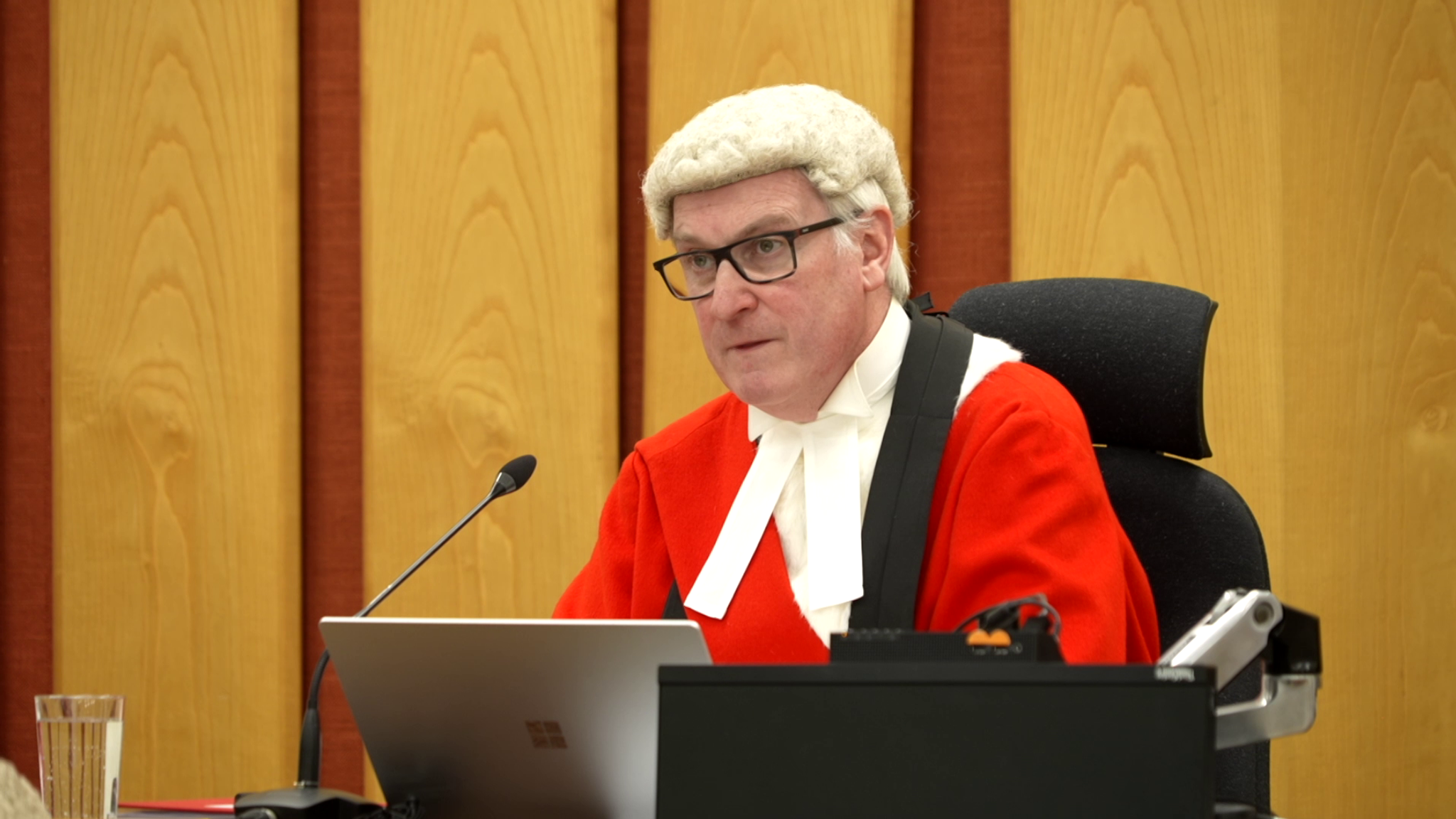
At sentencing, Mr Justice Pepperall delivered a stern rebuke, labeling Ashby “a deeply unpleasant racist and Islamophobe” based on his hateful remarks during the assault. The judge also acknowledged the courage of the victim and her partner in facing the trauma, expressing hope they could rebuild their lives with support and time.
Details of the Attack and Evidence
Body-worn police footage, described as “harrowing” by the court, captured the victim’s distress as a female officer comforted her immediately after the assault. The woman, who retains her legal right to anonymity, recounted how Ashby verbally abused her, calling her a “bloody Muslim b****” despite her identifying as Sikh.
In a chilling video interview played during the trial, the victim described Ashby holding a stick, switching off the light, and declaring himself a “British master” before subjecting her to rape in her bathroom. She screamed for help, but the attacker’s violent and hateful behavior continued unabated.

Forensic evidence solidly linked Ashby to the crime. DNA recovered at the scene, fingerprints on a vape device, and the victim’s identification of Ashby at an identity parade left no doubt about his guilt.
The judge noted Ashby’s history of mental health issues and psychotic episodes but made it clear these stemmed from his voluntary abuse of illicit drugs. He warned that Ashby remains a significant danger to women and emphasized the severity of his actions.
The Victim’s Statement and Community Impact
The woman, in her twenties, submitted a powerful victim personal statement describing how the attack “changed every part of my life.” Despite the trauma, she expressed relief and a renewed sense of freedom following Ashby’s admission of guilt.
“I now no longer feel trapped. I can begin to live my life again,” she said, signaling a hopeful path toward healing.
Senior Crown Prosecutor Rav Dhillon condemned the attack as “deeply disturbing” and motivated by religious hatred. She highlighted the strength of the evidence that led to Ashby’s conviction and praised the victim’s bravery in pursuing justice.
Dabinderjit Singh, representing the Sikh Federation, welcomed the sentence as a strong message to racists who perpetrate violent attacks. He expressed hope that the outcome would support the victim’s recovery and deter similar crimes motivated by bigotry.
Why This Case Matters
This case starkly illustrates the dangers of hate crimes fueled by religious intolerance and racism. The calculated nature of Ashby’s attack—targeting a stranger based solely on her Sikh identity—reflects broader societal challenges in protecting minority communities from violence and discrimination.
The court’s decisive action sends a clear message that religiously aggravated violence will face the harshest penalties. It underscores the importance of vigilance, robust legal responses, and community support in combating hate crimes.
For the victim, the case marks a painful chapter but also a turning point toward reclaiming her life. For the wider public, it is a reminder of the ongoing need to confront and dismantle prejudice in all its forms.
Looking Ahead
As Ashby begins serving his life sentence, attention turns to how communities, law enforcement, and policymakers can better prevent such attacks. Strengthening hate crime legislation, enhancing mental health interventions, and promoting interfaith understanding remain critical.
The courage shown by the victim and those who stood with her in court exemplifies resilience in the face of hatred. Their example offers hope that justice can prevail, healing can begin, and society can move toward greater respect and safety for all its members.