For the first time, official police records highlight a tragic case where both the victim and suspect, involved in a domestic abuse-related suicide, were under 18. This grim milestone emerges from the latest data covering the year ending March 2025, revealing 150 suspected suicides linked to domestic abuse across England and Wales.
Young People Disproportionately Affected by Domestic Abuse
The report exposes a stark reality: domestic abuse disproportionately impacts youth aged 16 to 19, with 18.2% of victims in this bracket compared to adults aged 25 and above. This alarming statistic demands urgent attention from authorities and communities alike.
Online Influences Fueling Abuse Among Teens
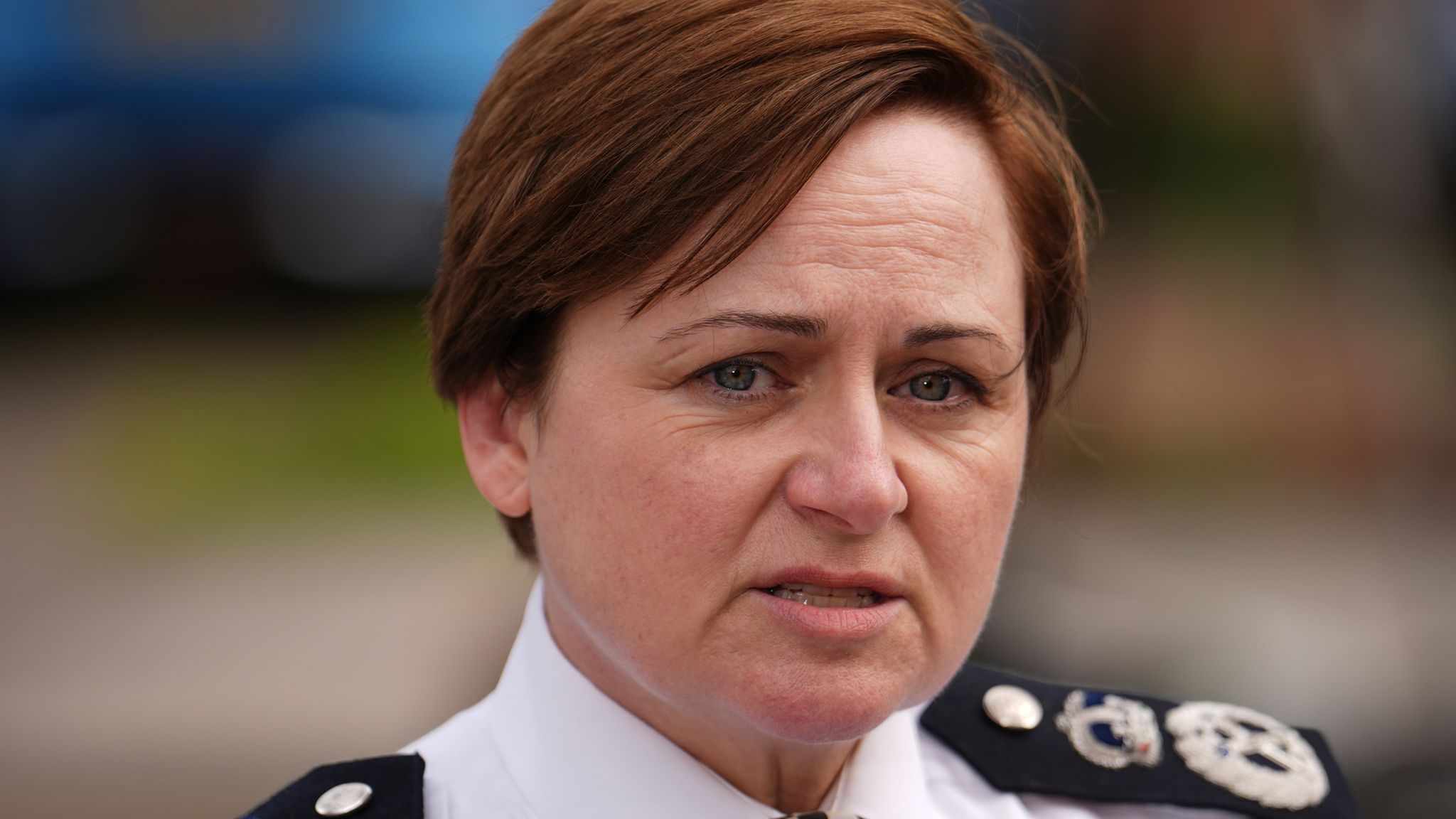
Assistant Commissioner Louisa Rolfe, the national policing lead for domestic abuse, identifies access to violent pornography and “toxic influencers” on the internet as significant contributors to escalating abuse cases among teenagers. She warns, “People are now much more likely to access violent pornography, which normalises violence and harmful behaviour in relationships.”
Rolfe also highlights the perilous rise of non-fatal strangulation incidents, calling them “hugely dangerous.” She draws a direct line between toxic online narratives about women’s roles and the increase in abusive behaviour among young people.
Domestic Abuse Suicides Surpass Homicides in Recorded Cases
The latest data from the five-year Domestic Homicide Project reveals a disturbing trend: more victims die by suicide after enduring domestic abuse than are killed by their partners. Out of 553 suicides linked to domestic abuse, four involved victims under 16 with perpetrators over 18 – three were adult family members and one an intimate partner.
Jess Phillips, Minister for Safeguarding and Violence Against Women and Girls, emphasizes the urgency of intensified measures: “This report reinforces the need for tougher action to stop perpetrators causing harm. Our Violence Against Women and Girls Strategy lays out how we are tackling the root causes of domestic abuse-related deaths and using every tool to combat these heinous crimes.”
Calls for Legal Reform: Separating Suicide from Manslaughter
Advocates are pushing for a landmark legal change to classify suicide resulting from domestic abuse as a distinct criminal offence, separate from manslaughter. Frank Mullane, CEO of Advocacy After Fatal Domestic Abuse, believes this separation will clarify jurors’ understanding and improve justice outcomes. He explains, “Jurors often associate manslaughter with physical altercations, not the complex dynamics of domestic abuse leading to suicide.”
Over the past five years, 17 cases involved domestic abuse charges after victims took their own lives, with three probing manslaughter. An additional seven cases await investigation, and experts expect these numbers to grow.
Rising Domestic Abuse Deaths and Increased Reporting
The total number of domestic abuse-related deaths reported over five years reached 1,452. In the year to March 2025 alone, 347 deaths were recorded—an 85-case increase from the previous year, predominantly suspected suicides. Police attribute this rise to improved recording practices rather than an actual increase in incidents.
The Human Toll: Chloe Holland’s Story
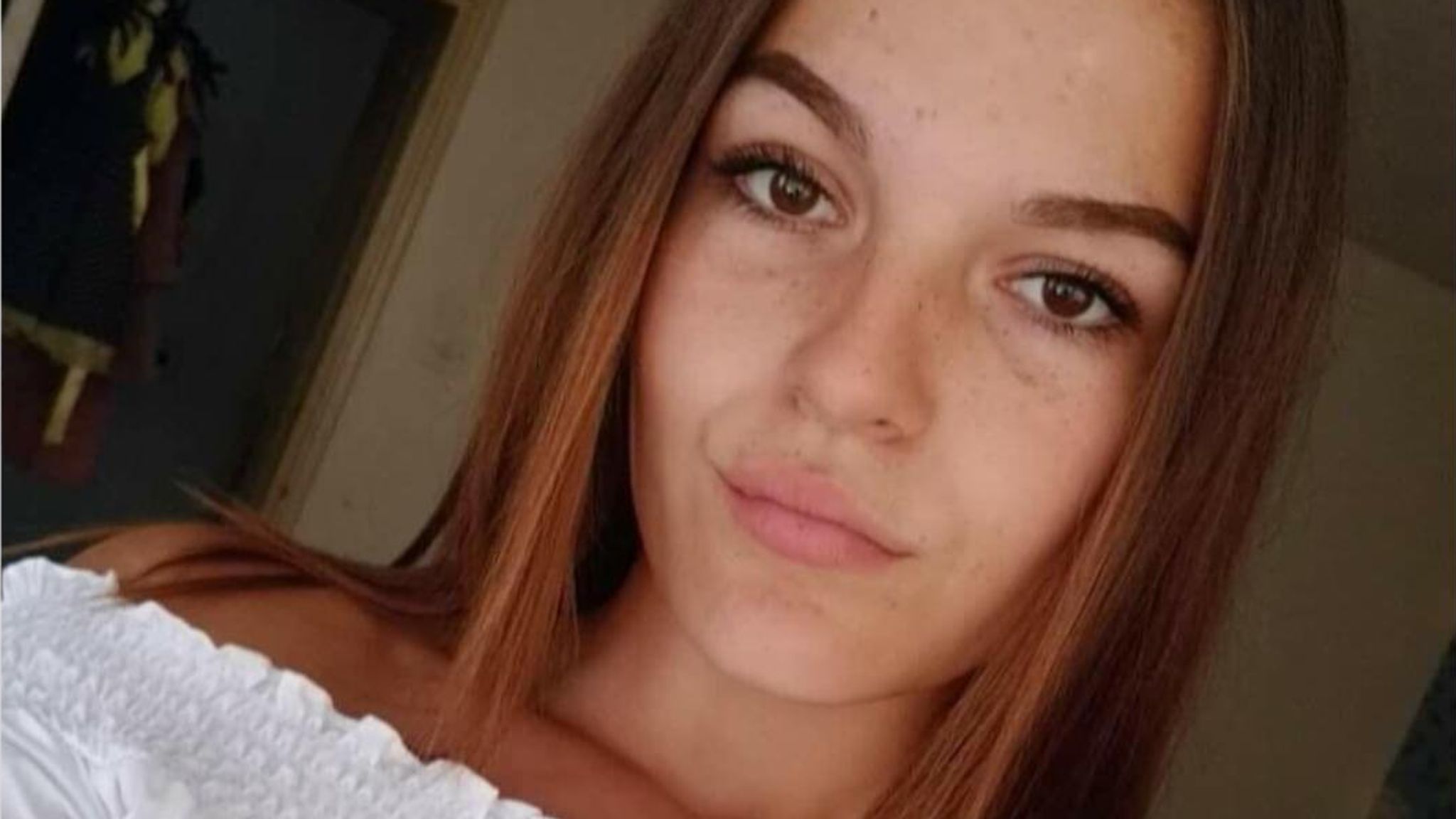
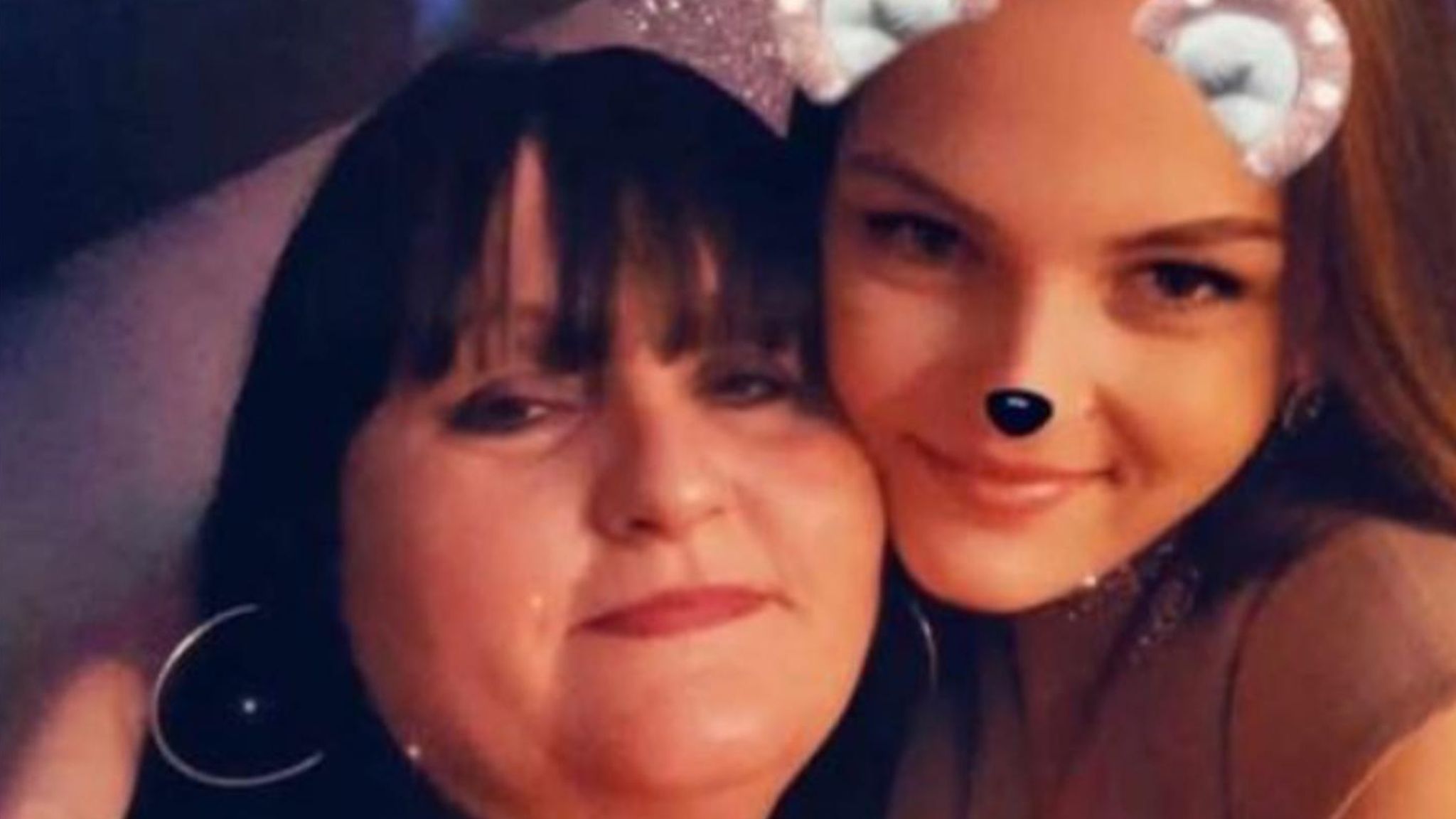
In 2023, Chloe Holland, aged 23, tragically ended her life after enduring a controlling relationship. Her mother, Sharon Holland, campaigns relentlessly for legal reforms to hold perpetrators of coercive control accountable with manslaughter charges when victims commit suicide.
“Her perpetrator was convicted of coercive control, but it wasn’t enough,” Sharon shared. “The psychological damage inflicted on victims is profound, yet courts often prioritize physical injuries. It’s frustrating that so few perpetrators face manslaughter convictions.”
She describes coercive control as a systematic isolation tactic—controlling victims’ finances, appearance, social interactions, and ultimately eroding their will to live. “Many victims see suicide as their only escape,” Sharon said.
Preventing Tragedy Through Support and Awareness
Sharon urges victims to seek help early and encourages friends and family to listen attentively. “If you suspect something is wrong, offer understanding and support. Together, we can break this deadly cycle and save lives.”
Help Is Available for Those Experiencing Domestic Abuse
If you or someone you know is suffering from domestic abuse or emotional distress, reach out to these trusted resources:
- Samaritans (UK): Call 116 123 or visit samaritans.org
- National Domestic Violence Helpline: 0808 2000 247
- Women’s Aid: Support and information for victims
- Respect Helpline (Male Victims): 0808 801 0327
- Galop (LGBT+ Anti-Violence Charity): 0800 999 5428