Welsh Water is confronting a significant regulatory crackdown following widespread wastewater management failures. The industry regulator has proposed a staggering £44.7 million enforcement package aimed at holding the utility accountable for environmental and operational shortcomings.
Details of the Enforcement Package
The penalty comes amid growing concerns over water companies’ handling of sewage treatment and discharge. Welsh Water, responsible for providing water and wastewater services across Wales, has been identified as having repeatedly failed to meet environmental standards. The regulator’s enforcement package includes hefty financial sanctions designed to compel the company to improve its infrastructure and comply with stringent wastewater regulations.
This £44.7 million figure reflects both fines for past infractions and the costs associated with mandated corrective measures. The package aims to ensure Welsh Water invests adequately in upgrading sewage systems, reducing pollution incidents, and safeguarding local waterways from contamination caused by untreated or poorly treated wastewater.
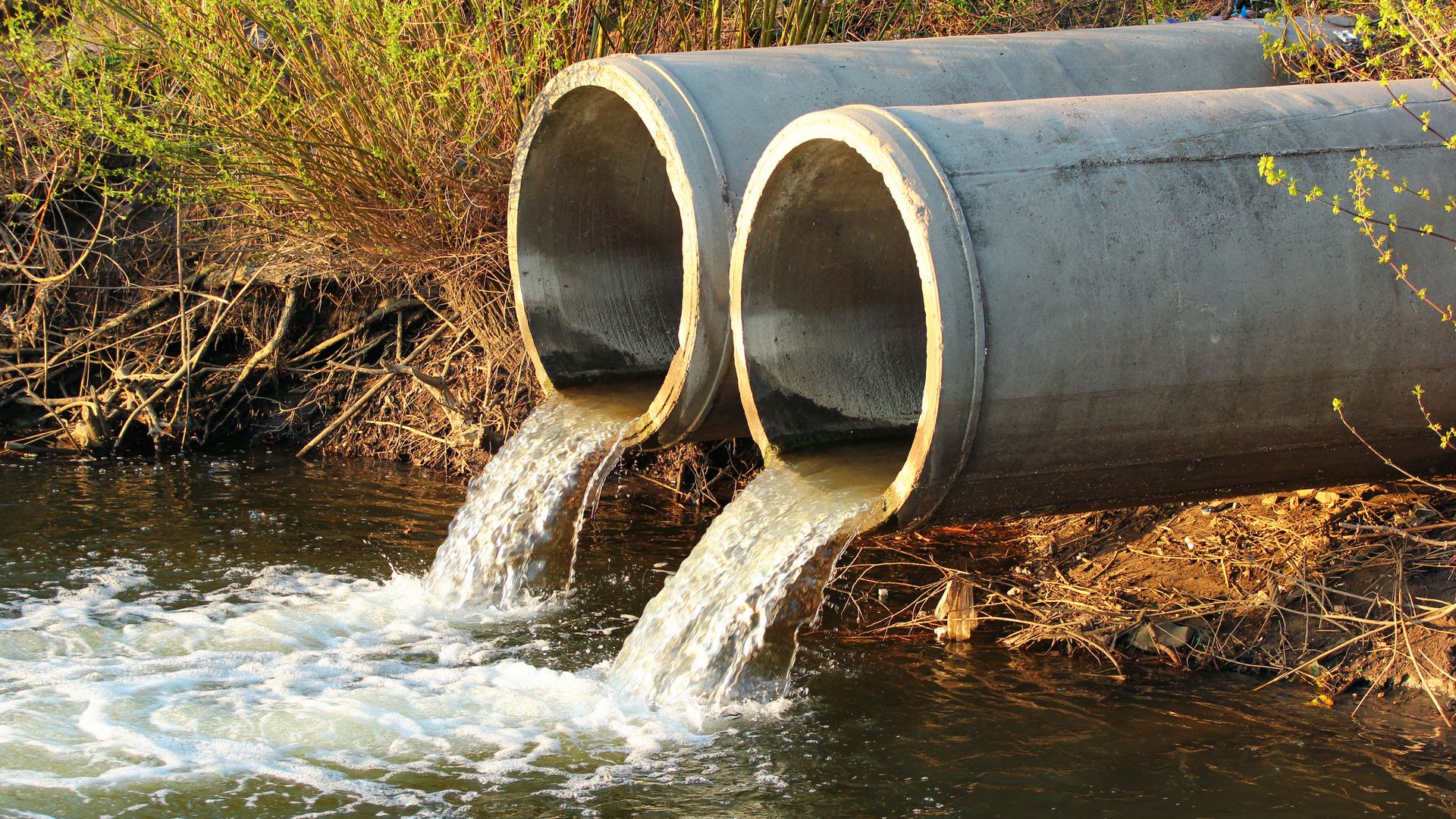
Why This Matters: Environmental and Public Health Implications
Failures in wastewater management pose serious risks to ecosystems, public health, and local communities. Untreated sewage can introduce harmful bacteria, viruses, and pollutants into rivers, lakes, and coastal waters, damaging aquatic life and disrupting recreational activities. The enforcement action against Welsh Water underscores the urgency of maintaining high environmental standards in the water industry.
Moreover, this enforcement package sends a clear message that regulators are intensifying oversight of water utilities. Across the UK, water companies have faced increasing scrutiny following a series of pollution scandals. Welsh Water’s penalty highlights the regulator’s commitment to enforcing accountability and protecting the environment from negligence and operational lapses.
Regulatory Context and Industry Impact
The regulator overseeing Welsh Water’s operations is tasked with ensuring water companies comply with environmental laws and deliver reliable, safe services to customers. In recent years, the water sector has experienced heightened regulatory pressure to address infrastructure deficits and reduce pollution caused by aging sewage networks.
Welsh Water’s enforcement package is among the largest penalties imposed on a utility firm in recent times, reflecting the scale and severity of the issues uncovered. This development is likely to prompt other water companies to reassess their wastewater management strategies and accelerate investments in infrastructure modernization.
Furthermore, such enforcement actions can influence public trust and investor confidence. Utilities facing heavy fines may need to adjust business plans, prioritize environmental compliance, and enhance transparency with stakeholders to restore credibility.
What Comes Next for Welsh Water
Welsh Water must now respond to the regulator’s enforcement package, which could include negotiations over the final penalty amount and the timeline for implementing required improvements. The company faces increased pressure to demonstrate tangible progress in addressing sewage management failures and preventing future incidents.
Successful remediation will likely involve upgrading treatment facilities, enhancing monitoring systems, and adopting innovative technologies to reduce pollution risks. Welsh Water’s performance in the coming months and years will be closely monitored by regulators, environmental groups, and the public.
Ultimately, this enforcement action serves as a critical turning point. It emphasizes the vital role of effective wastewater management in protecting natural resources and public welfare. For Welsh Water and the broader water sector, the message is clear: environmental compliance is non-negotiable, and failure to meet standards will result in significant consequences.
Takeaway: A Call for Accountability and Sustainable Practices
The £44.7 million enforcement package against Welsh Water marks a decisive moment in the ongoing effort to improve wastewater treatment across the UK. It highlights the regulator’s determination to hold utility companies accountable for environmental stewardship and public health protection.
As water utilities face mounting challenges from aging infrastructure and increasing demand, this case underscores the necessity of sustained investment, rigorous oversight, and transparent operations. For consumers and communities, it promises enhanced protection of water quality and ecosystems, benefiting both present and future generations.
While the financial penalty is substantial, the broader impact lies in driving systemic change—ensuring that water companies prioritize responsible sewage management and uphold their commitments to environmental sustainability.