The brutal murder of Henry Nowak has reignited a fierce debate over the controversial religious and cultural exemptions embedded in knife legislation. Former Labour deputy leader has emphatically called for an immediate end to these exemptions, arguing that they compromise public safety and justice.
The Incident That Shook the Community
Henry Nowak’s murder sent shockwaves across the nation, highlighting a grim reality: knives, when wielded unlawfully, inflict devastating harm. The circumstances surrounding his death raised urgent questions about the legal loopholes that allow certain knives to be possessed under religious or cultural grounds.
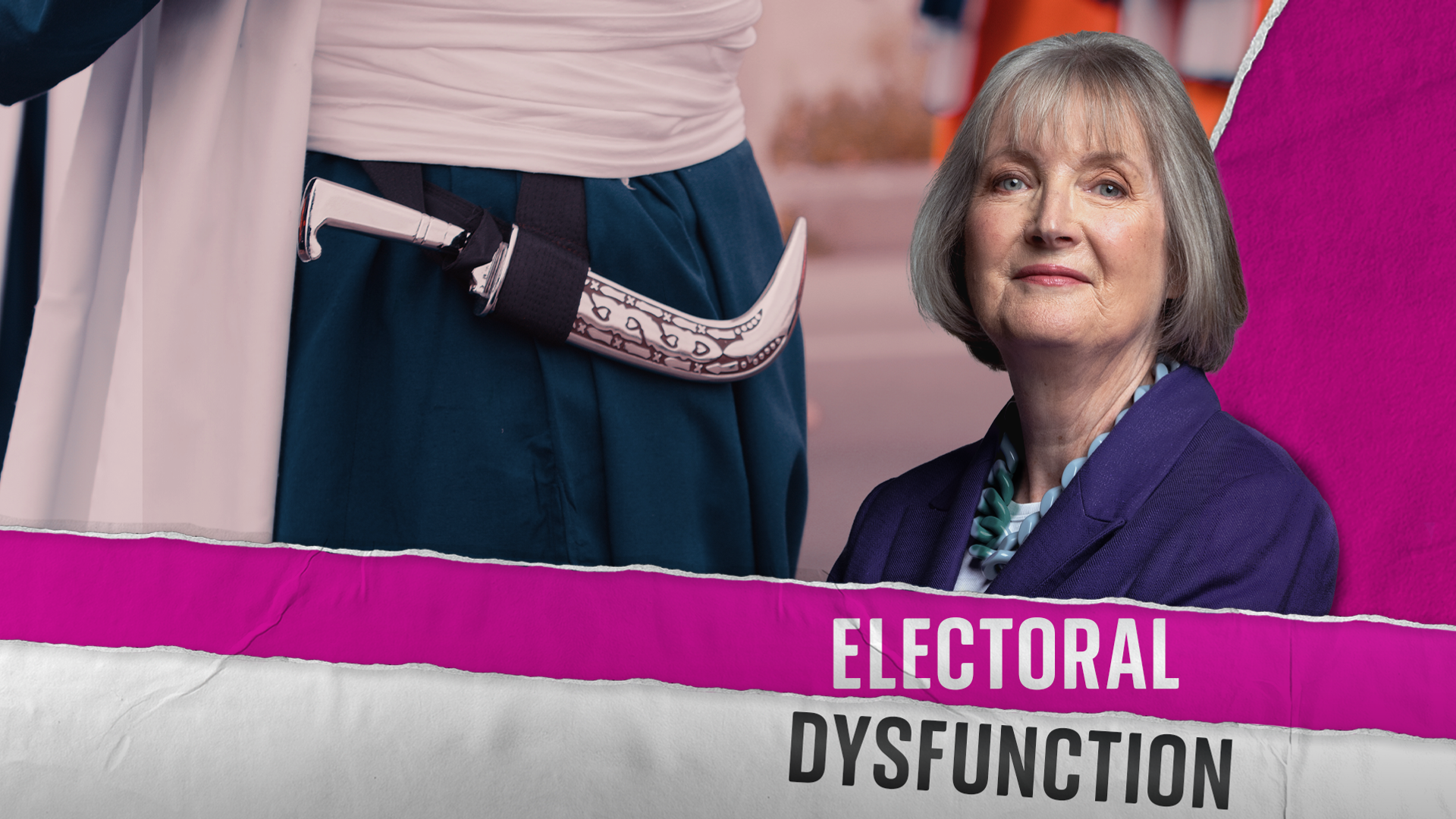
Knife laws in many jurisdictions include exemptions for items like kirpans, traditional Sikh ceremonial daggers, or other blades used in cultural ceremonies. These exemptions, while rooted in respecting religious freedom, have come under scrutiny as incidents involving such weapons increase.
Why Religious Exemptions to Knife Laws Are Controversial
The intention behind religious exemptions is to safeguard cultural practices without infringing on religious rights. However, critics argue that these allowances create dangerous grey areas in law enforcement and public safety. The murder of Henry Nowak starkly illustrates the potential consequences when these exemptions are exploited or inadequately regulated.
Former Labour deputy leader highlighted that allowing knives for religious reasons, without stringent controls, undermines the effectiveness of knife crime prevention efforts. Law enforcement officials face challenges distinguishing between lawful cultural possession and illegal knife carrying, complicating policing and legal responses.
Furthermore, the debate touches on a broader societal tension between upholding religious freedoms and ensuring community safety. In this context, the Nowak case becomes a powerful symbol of the urgent need to reassess where the balance should lie.
What This Means for Knife Laws and Public Safety
The call to abolish religious and cultural exemptions to knife laws represents a pivotal moment in the ongoing quest to reduce knife-related violence. Advocates for reform argue that uniform knife laws, applied without exception, would close loopholes that criminals might exploit under the guise of religious practice.
Ending these exemptions would not only simplify law enforcement efforts but also send a clear message that public safety must take precedence. While respecting cultural identity remains important, it cannot come at the cost of innocent lives.
Policymakers now face the challenging task of balancing constitutional freedoms with the imperative to protect communities. The murder of Henry Nowak serves as a tragic reminder that legislative reforms are not just theoretical debates but critical steps toward preventing further loss of life.
Looking Ahead: A Call for Legislative Action
As public pressure mounts, lawmakers are expected to revisit knife legislation to address these exemptions comprehensively. The aim would be to craft laws that respect cultural traditions while imposing necessary restrictions that prevent misuse.
Community leaders, legal experts, and human rights advocates will play a crucial role in shaping this debate, ensuring that reforms are fair, effective, and uphold fundamental rights without compromising safety.
The murder of Henry Nowak stands as a sobering catalyst for change, emphasizing that knife laws must evolve to reflect the realities of modern society. Ending religious exemptions is a complex but essential step toward a safer future.
In conclusion, the devastating loss of Henry Nowak underscores the urgent need to reevaluate knife regulations. Striking a balance between religious freedom and public security is paramount, but current exemptions pose undeniable risks. Legislative reform could save lives and strengthen community trust in the justice system.