James Holder, the co-founder of the renowned fashion brand Superdry, has been sentenced to eight years in prison after being found guilty of raping a woman following a night out. The 54-year-old businessman from Cheltenham, Gloucestershire, faced trial for the serious offence, which has sent shockwaves through the fashion industry and local community.
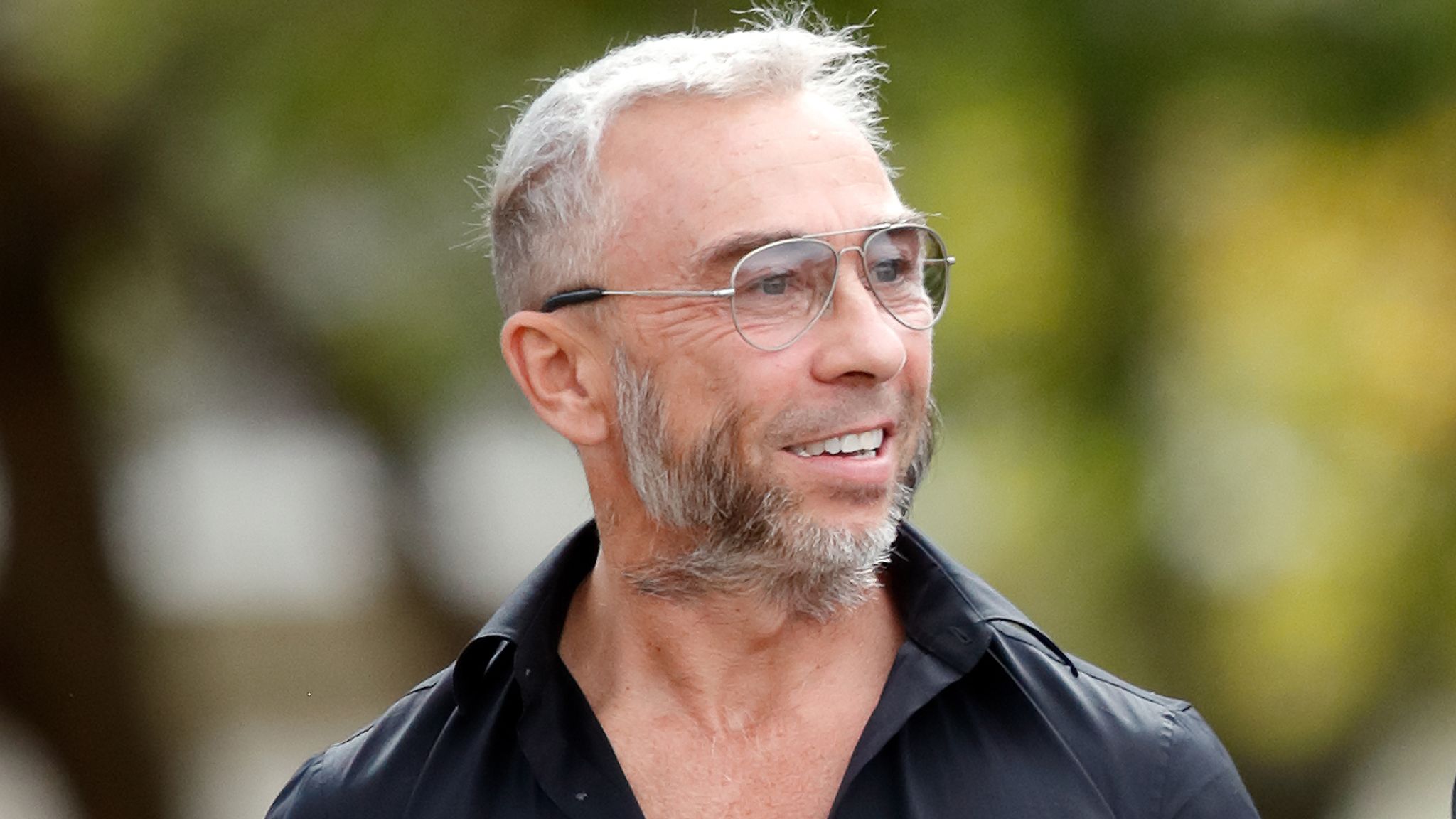
The Crime and Court Proceedings
In the early hours of May 7, 2022, Holder and a friend went to a woman’s home in Cheltenham after spending the evening at a local bar. Despite not being invited, Holder entered her residence, where events quickly turned disturbing. During the trial held at Gloucester Crown Court in Cirencester, the jury heard that Holder first used the bathroom and then took a nap on the woman’s bed.
Shortly after, he called the woman—who had been trying to rest in the lounge—into the bedroom and committed the assault. The victim testified that she was crying and begged Holder, a married father of two, to stop, but he ignored her pleas and continued the assault.
The woman eventually managed to escape the bedroom, after which Holder left the premises. Throughout the trial, Holder denied the rape charge, claiming the sexual activity was consensual. However, the jury rejected his defense and found him guilty on May 1, acquitting him of assault by penetration.
Sentencing and Judicial Remarks
On Thursday, Recorder David Chidgey sentenced Holder at Bristol Crown Court, condemning the crime as “a despicable piece of sexual violence.” The judge highlighted Holder’s overwhelming sense of entitlement and blatant disregard for the victim’s autonomy, stating: “It was about entitlement, it was about your sense of entitlement and your sense of doing what you wanted and your casual disregard for the victim’s absolute right to say what she wanted to do with her own body.”
Holder appeared remotely from HMP Hewell via video link and showed no visible reaction as the sentence was delivered. The eight-year custodial sentence reflects the gravity of the offence and the court’s commitment to holding perpetrators of sexual violence accountable, regardless of their social status or wealth.
Background and Wider Implications
James Holder co-founded Superdry, a multi-million-pound fashion empire known internationally for its distinctive urban and vintage style. His conviction marks a significant fall from grace for a prominent figure in the fashion business world.
This case underscores the persistent issue of sexual violence and the importance of justice for survivors. It also highlights the challenges victims face when the accused hold positions of power and privilege. The successful prosecution sends a clear message that no one is above the law, and the voices of victims will be heard.
The legal process, which included a thorough examination of evidence and testimony, demonstrates the criminal justice system’s role in addressing sexual offences with the seriousness they deserve. It also emphasizes the need for continued societal efforts to support victims and prevent such crimes.
What This Means Going Forward
The sentencing of James Holder resonates beyond this single case. It reflects growing awareness and intolerance of sexual misconduct, especially involving influential individuals. Brands and industries must reckon with these realities and implement stronger safeguards to protect individuals from abuse.
For the public, this case reinforces the principle that consent is paramount and that violations will lead to severe consequences. It also encourages survivors of sexual violence to come forward, knowing that the justice system can work in their favor.
Holder’s conviction and imprisonment mark a critical moment in holding powerful offenders accountable. The fashion world and society at large will be watching closely as this case sets a precedent for how similar allegations are handled in the future.
In summary, James Holder’s eight-year sentence for rape is a stark reminder of the seriousness of sexual violence and the imperative of justice. His fall from a celebrated fashion entrepreneur to a convicted offender illustrates that no status shields one from accountability.