South East Water (SEW) faces a leadership crisis after its chairman, Chris Train, resigned immediately following a damning report from the UK Parliament’s Environment, Food and Rural Affairs (EFRA) Committee. The report harshly condemned SEW’s management and culture, sparking calls for sweeping reforms as the company grapples with severe operational failures and public backlash.
What Led to the Chairman’s Sudden Resignation?
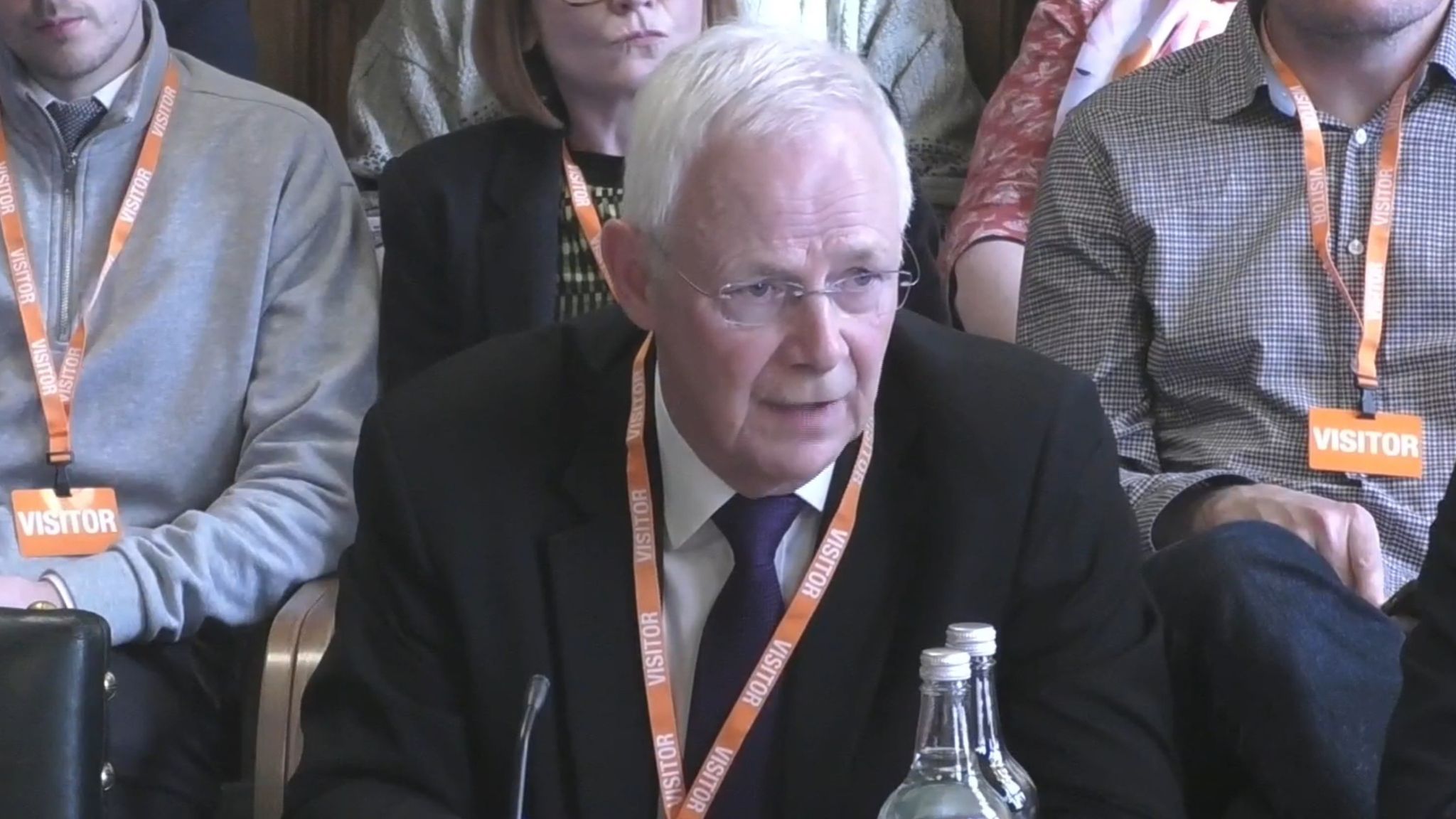
The resignation of Chris Train, an independent non-executive chairman, came in the wake of a critical EFRA Committee report that branded SEW as “devoid of proper leadership” and “riddled with cultural problems.” The report specifically targeted SEW’s chief executive, David Hinton, accusing the leadership team of failing to take accountability and effectively address ongoing issues.
MPs on the committee expressed no confidence in SEW’s ability to rectify its deep-rooted problems under the current leadership. The company had already been under scrutiny after a catastrophic water outage in late 2025 left tens of thousands of residents in Tunbridge Wells without drinking water for two weeks, an incident that severely damaged public trust.
Committee chair Alistair Carmichael, Liberal Democrat MP for Orkney and Shetland, voiced frustration, stating, “Someone in this company needs to take a grip, be accountable for its failings and put them right.” SEW confirmed that board discussions had been ongoing about the company’s recovery and transformation plan, and both the board and Mr. Train agreed that new independent leadership was essential for the company’s future.
Key Failures Highlighted by the EFRA Committee
The EFRA report revealed a pattern of neglect and poor management at SEW, pinpointing a failure to carry out routine water quality tests at the Pembury Treatment Works. Despite warnings from the Drinking Water Inspectorate (DWI), SEW neglected vital water jar testing, leaving the company “flying blind” during the crucial period leading up to the Tunbridge Wells outage.
The report also exposed that routine cleaning and maintenance were not performed at Pembury, contributing to the crisis. These essential tasks had been costed and planned since 2019 but were repeatedly sidelined, revealing systemic underinvestment and mismanagement.
Moreover, the EFRA Committee criticized the leadership’s tendency to shift blame onto external factors rather than accepting responsibility. This “culture of obfuscating responsibility” stifled problem-solving and prevented the company from learning from its mistakes.
Shareholders and Community Demand Accountability
Shareholders including Utilities Trust of Australia, NatWest Group Pension Fund, and Desjardins Group were urged by MPs to hold SEW’s leadership accountable for the failures. Meanwhile, local community group Dry Wells Action called for the immediate resignation of CEO David Hinton and demanded the appointment of consumer representatives on the board to ensure customers’ voices are no longer ignored.
Following Mr. Train’s departure, Dry Wells Action stated, “Resignation is the correct decision. The real question is how Hinton thinks he cannot follow suit.” They also advocated for government intervention, urging regulators to join the board during a probation period to assess whether SEW should retain its operating licence.
What This Means for SEW and Its Customers
SEW has publicly apologized for the operational failures and the subsequent erosion of public trust. The company has pledged to double investment in its water supply infrastructure across Kent, Sussex, Surrey, Hampshire, and Berkshire over the next five years to enhance network resilience and service reliability.
Lisa Clement, who will serve as interim independent non-executive chair, emphasized the company’s commitment to transformative change. “The board thanks Chris for his service to South East Water. Our focus remains on delivering engineering and operational improvements that will benefit customers and local communities,” she said.
However, the recent EFRA Committee report and the chairman’s resignation underscore the urgent need for a cultural reset within SEW. The company’s leadership must embrace transparency, accountability, and customer-focused governance to rebuild trust and prevent future crises.
Ofwat, the regulator for water companies in England and Wales, is currently considering imposing a fine of up to 8% of SEW’s annual turnover—equivalent to approximately £22.46 million—due to significant supply failures and poor customer service between 2020 and 2023. This financial penalty would add to the pressure on SEW’s management to deliver swift and effective reforms.
Looking Ahead: The Path to Recovery
The departure of Chris Train marks a pivotal moment for South East Water. The company stands at a crossroads, with a critical opportunity to overhaul its leadership, culture, and operational practices. Success depends on embracing rigorous accountability, investing in infrastructure, and ensuring customer voices shape decision-making.
For the tens of thousands affected by past failures, the priority now is restoring reliable water supplies and transparent communication. With new leadership in place and regulatory scrutiny intensifying, SEW must demonstrate tangible progress to regain public confidence and secure its future licence to operate.
Full details on the company’s recovery strategy and leadership appointments are expected in the coming weeks.