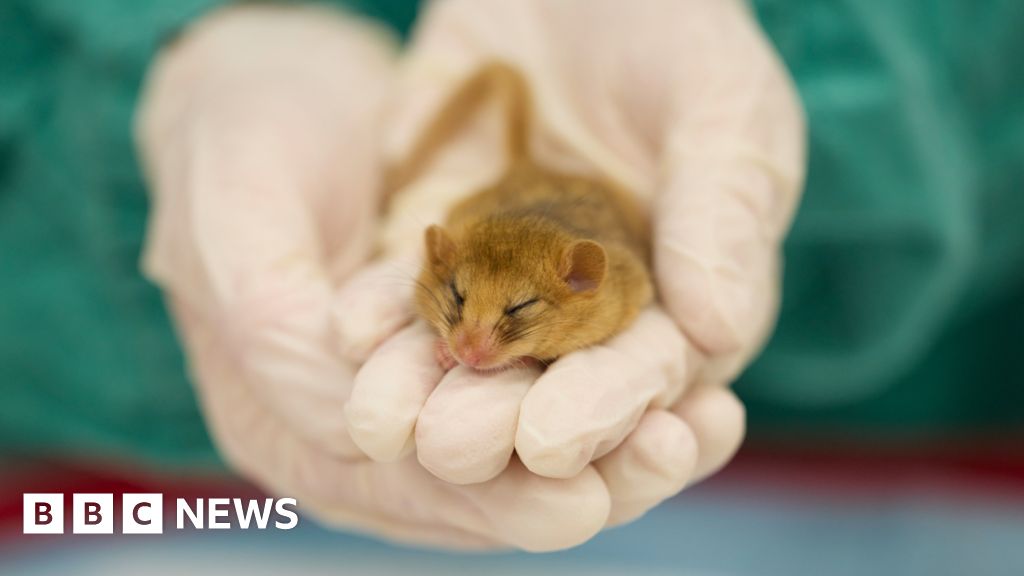
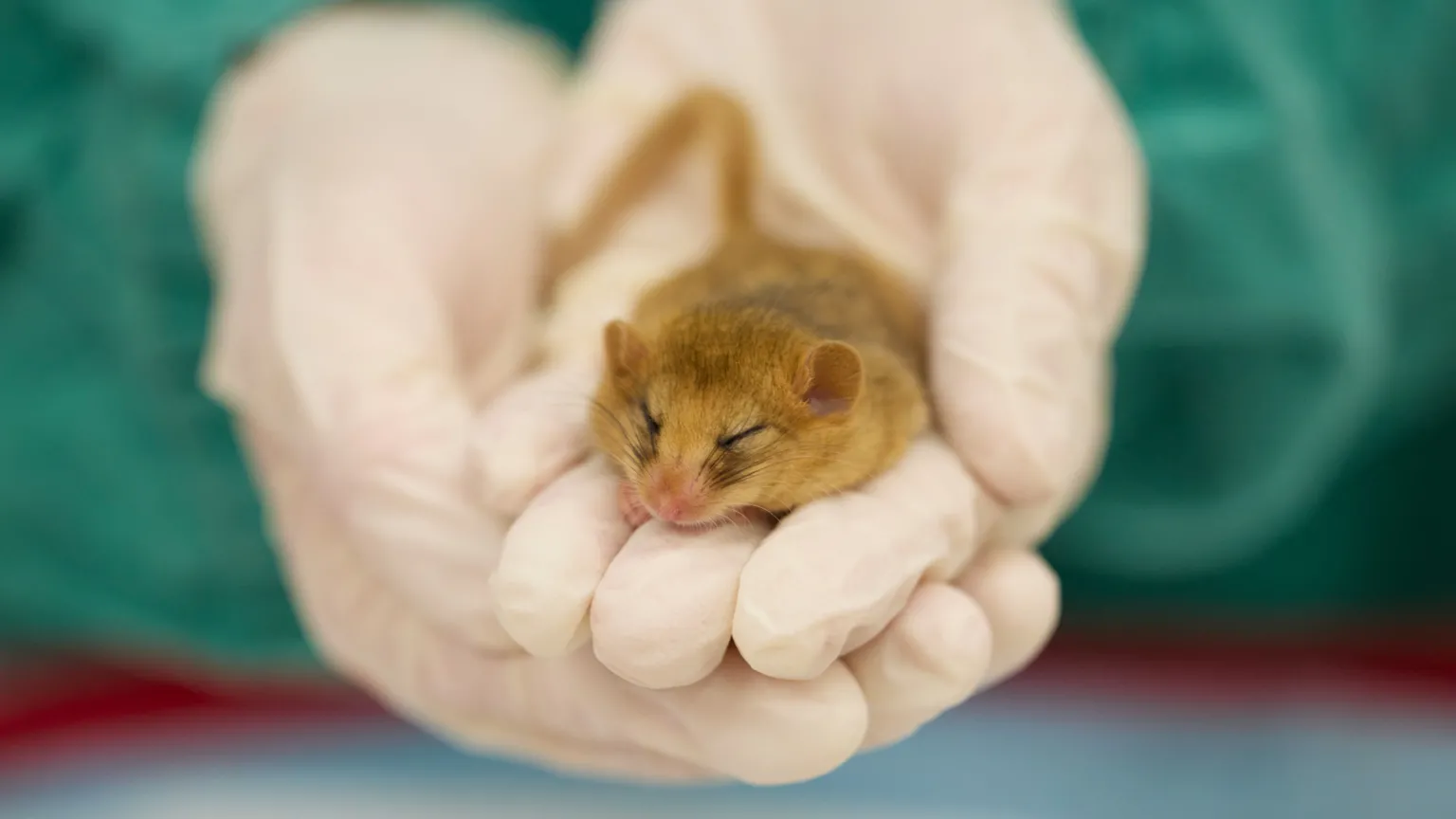
London Zoo is redefining how it cares for its diverse animal residents, introducing advanced veterinary procedures that bring the public closer to the intricacies of wildlife health. From ultrasound scans on aardvarks to delicate dormouse health checks, the zoo is pioneering transparency in animal care while sparking debate about the ethics of captivity.
Modernizing Zoo Healthcare: A Legacy of Conservation and Care
Dr. Kathryn England, Chief Executive of the Zoological Society of London (ZSL), emphasizes that the zoo’s rich history forms a foundation for progressive action in wildlife conservation and medical treatment. “Our history has shaped how wildlife is studied, treated and protected. Now, that legacy becomes a platform for action,” she stated, underscoring the institution’s commitment to evolving its role beyond traditional boundaries.
At the heart of these developments is the zoo’s newly established veterinary hospital, designed to provide state-of-the-art care for a wide array of species. This facility not only enhances animal welfare but also serves as a public educational platform, showcasing routine procedures such as weight checks and dental examinations.
Interactive Animal Healthcare: Cooperative Care and Public Engagement
ZSL champions an approach called “cooperative care,” a method where animals actively participate in their own treatment. By training animals to calmly present body parts or remain still during examinations, the zoo significantly reduces stress for both animals and staff. For example, galapagos tortoises step onto scales voluntarily, while big cats like lions and tigers are trained to expose their tails for blood sampling and skin tests.
These interactions are made possible through positive reinforcement—rewarding animals with treats or favored activities to encourage calm, cooperative behavior. This approach not only benefits animal welfare but also allows visitors a rare glimpse into the complex care routines that sustain zoo residents.
However, ZSL is careful to clarify that the majority of procedures visible to the public are routine, non-invasive health checks rather than intensive or emergency treatments. This transparency aims to educate visitors while maintaining respect for the animals’ dignity and privacy.

Controversy Surrounding Captivity and Public Vet Displays
Despite the advancements and openness, the zoo’s new initiatives have drawn criticism from animal welfare advocates. The Born Free Foundation, a prominent wildlife charity, challenges the ethical justification of zoos entirely. Mark Jones, Head of Policy at Born Free, argues that the new hospital fails to address the core issue: the ethics of keeping wild animals in captivity far from their natural habitats.
“On its 200th anniversary, I think the Zoological Society of London should be focusing all its efforts on protecting wildlife in the wild where it belongs, not keeping wildlife in captivity thousands of miles from where it belongs,” Jones asserted. This critique highlights the ongoing debate about whether conservation efforts within zoos can truly replace the importance of preserving species in their natural environments.
Moreover, Born Free expressed concerns that exposing veterinary procedures to public viewing risks turning animal healthcare into a spectacle, potentially trivializing the seriousness of medical interventions. They caution that this approach might prioritize visitor entertainment over animal welfare.

Why This Matters: The Future of Zoos and Wildlife Conservation
The initiatives at London Zoo reflect a broader global conversation about the evolving purpose of zoos. With biodiversity under threat worldwide, zoos have increasingly positioned themselves as centers of conservation research, species preservation, and public education. Facilities like ZSL’s new hospital aim to balance these goals with ethical animal care, using transparency and innovation to engage the public.
Yet the debate remains deeply nuanced. Advocates argue that modern zoos serve as vital genetic reservoirs and research hubs, essential for preventing extinction. Critics maintain that true conservation can only happen in the wild, free from captivity’s constraints.
By implementing cooperative care and opening routine health procedures to public view, London Zoo is striving to demonstrate responsible stewardship and foster greater understanding of animal welfare challenges. How these efforts influence public opinion and conservation policy will be critical as zoos navigate their roles in a rapidly changing ecological landscape.
Looking Ahead
London Zoo’s innovative veterinary care programs mark a significant milestone in how wildlife institutions blend medical science, ethical considerations, and public engagement. As the debate over captivity and conservation continues, ZSL’s actions offer a glimpse into a future where zoos might evolve into transparent, education-focused sanctuaries—committed not only to animal health but to inspiring global conservation efforts.
Full details about the scope of veterinary procedures and their public accessibility have not yet been fully disclosed, but the zoo’s pioneering approach invites ongoing discussion about the responsibilities and possibilities of modern zoological institutions.