Fossil fuels still dominate global heating energy, but a revolutionary technology inspired by the way sunburn stores energy in skin promises a cleaner, more versatile alternative. Known as Molecular Solar Thermal (MOST) systems, this innovative approach captures and stores solar energy chemically—without combustion—offering a sustainable energy solution that could reshape how we heat our homes and power devices.
What Is Molecular Solar Thermal Technology?
At its core, MOST technology harnesses sunlight to trigger a chemical reaction in special molecules, effectively “charging” them with energy. This stored energy can then be released as heat on demand, without burning any fuel. Unlike traditional fossil fuels, which store chemical energy underground and require extraction and combustion, MOST systems operate cleanly and can be deployed almost anywhere sunlight reaches.
Professor Moth-Poulsen, a leading scientist in the field, emphasizes the key advantage: “MOST operates without burning anything,” making it an environmentally friendly alternative to fossil fuels. This clean energy storage method sidesteps the pollution and greenhouse gas emissions associated with burning fossil fuels.
Another strategic benefit is geographical flexibility. Fossil fuels are concentrated in specific regions, such as the oil-rich areas near the Strait of Hormuz, where geopolitical conflicts can disrupt supply chains dramatically. In contrast, MOST systems rely on sunlight, which is abundant and accessible worldwide, potentially democratizing energy access and reducing dependence on politically unstable fuel sources.
Long-Term Storage and Practical Challenges
One of the most striking features of MOST technology is its ability to store energy for extended periods—potentially decades—without significant loss. This contrasts sharply with conventional thermal storage methods, where stored heat dissipates within hours or days. Long-term storage could revolutionize how renewable energy is managed, enabling energy collected during sunny periods to be used months or even years later.
However, the technology faces several practical hurdles. Dr. Harry Hoster from the University of Duisburg-Essen explains that the light-sensitive molecules must be arranged in thin layers to ensure sunlight penetrates effectively. “In a really optimistic scenario, you could probably make this 5mm thick,” he notes. Thicker layers block light, reducing efficiency.
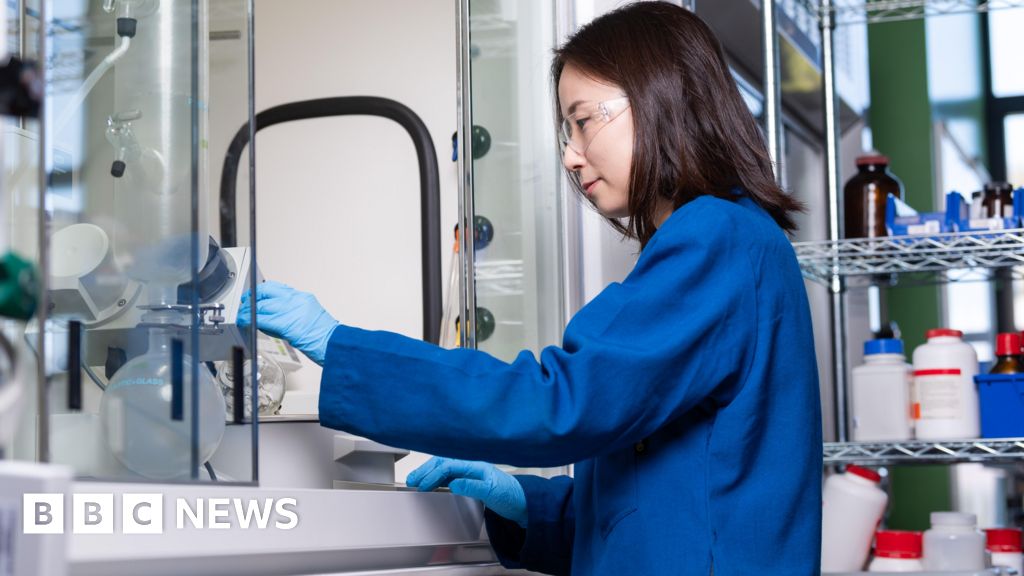
Additionally, MOST molecules are often suspended in liquids, requiring pumps and pipes to move the energy-loaded fluid between capture, storage, and release units. This fluid handling adds mechanical complexity and potential points of failure. “The moment you need to pump stuff around you have more things that can get broken,” Hoster warns, highlighting a significant engineering challenge in scaling up the technology.

Advancements Toward Solid-State Solutions and Future Applications
Researchers are actively exploring ways to overcome these limitations. Griffin and colleagues are developing solid-state versions of MOST technology that eliminate the need for liquid transport systems, potentially increasing durability and reducing maintenance.
Grace Han, whose research is also advancing solid-state MOST, envisions applications such as transparent window coatings. These coatings could capture solar energy during the day and release heat to prevent window condensation or provide gentle room warming at night, seamlessly integrating energy storage into building materials.
Despite these promising developments, experts like Hoster remain cautious about MOST’s ability to replace all heating needs in buildings. The technology may be better suited for niche applications, such as warming temperature-sensitive components on satellites or aircraft, where compact, reliable heat sources are crucial and traditional heating methods are impractical.
Why MOST Technology Matters
MOST technology represents a paradigm shift in how solar energy can be captured, stored, and utilized. Its chemical energy storage approach offers a clean, long-lasting alternative to fossil fuels, potentially reducing carbon emissions and enhancing energy security worldwide.
By leveraging abundant sunlight and storing energy without combustion, MOST could decentralize energy access, mitigate geopolitical risks tied to fossil fuel distribution, and pave the way for innovative applications—from smart building materials to aerospace technologies.
While technical challenges remain, ongoing research into solid-state systems and improved molecular designs continues to push MOST technology closer to practical, widespread deployment. As the world seeks sustainable energy alternatives, MOST stands out as a promising candidate to transform solar power into a reliable, on-demand heat source for decades to come.