Travel chaos struck commuters and holidaymakers heading to and from Gatwick Airport as sinkholes along the railway caused significant delays. Network Rail has issued a formal apology following widespread disruption to passenger journeys, underscoring the challenges of maintaining critical infrastructure amid unexpected ground instability.
What Happened: Sinkholes Trigger Delays on Gatwick Rail Line
On a busy travel day, several sinkholes emerged near the railway tracks servicing Gatwick Airport, forcing Network Rail to implement emergency speed restrictions and partial line closures. These sudden ground collapses compromised the stability of the tracks, rendering them unsafe for normal train operations. As a result, trains experienced prolonged stoppages and reduced speeds, leading to cascading delays for passengers traveling both to and from the airport.
Passengers reported long waits and overcrowding as services struggled to maintain schedules. The sinkholes’ impact extended beyond immediate delays, disrupting connections and creating uncertainty for travelers with tight flight schedules. Network Rail quickly mobilized inspection teams to assess the damage and initiate repairs, but the nature of ground subsidence demands careful, time-consuming work to ensure long-term safety.
Why It Matters: Infrastructure Vulnerabilities Affect Millions
The incident highlights the vulnerability of essential transport infrastructure to geological issues. Sinkholes, often caused by natural processes such as erosion or water table fluctuations, pose unpredictable risks for railway networks, especially those near airports where punctuality is crucial.
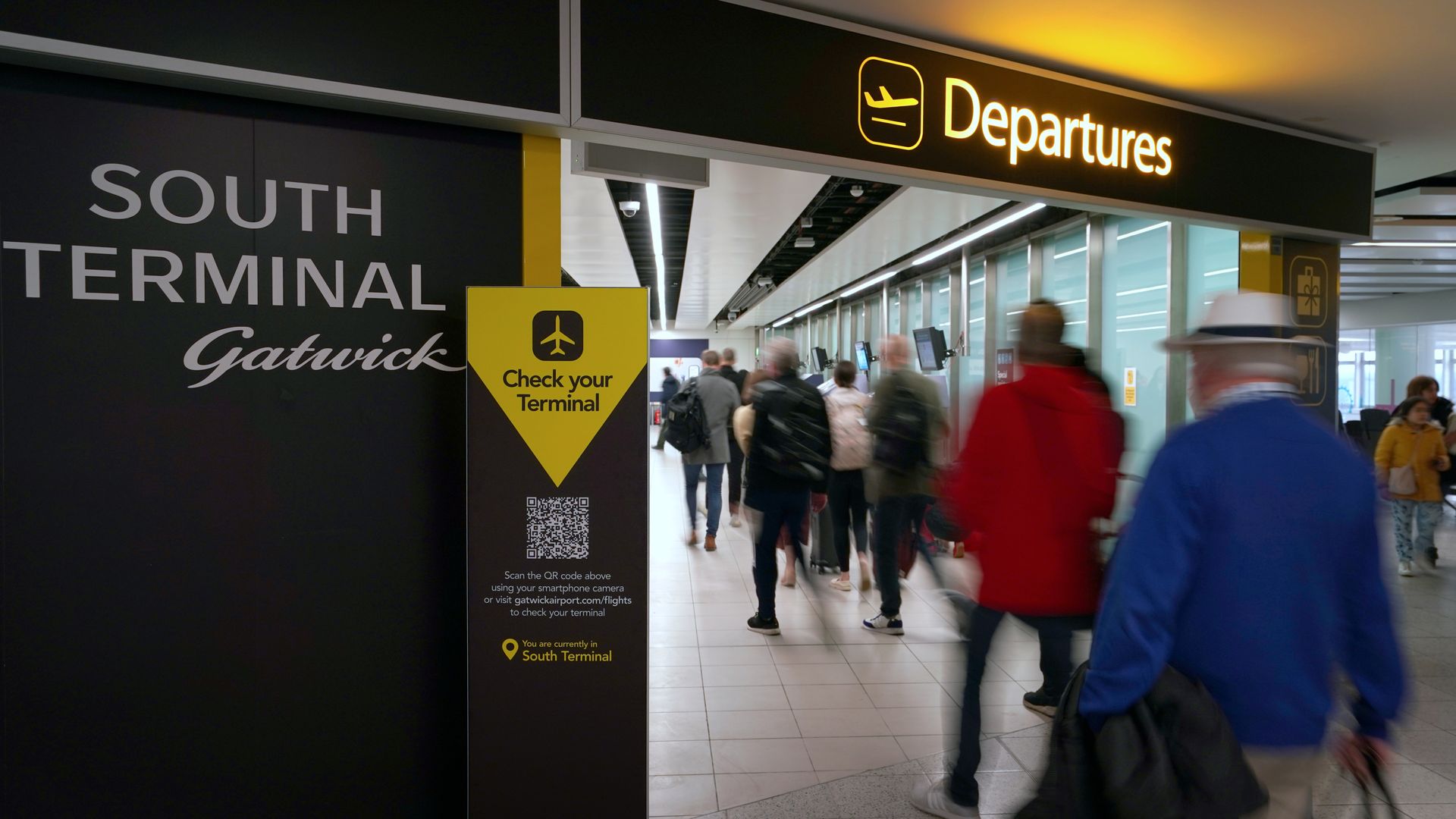
Gatwick Airport is one of the UK’s busiest transport hubs, handling millions of passengers annually. Reliable rail links are vital not only for passenger convenience but also for the local economy, supporting tourism and business travel. Disruptions like these expose the ripple effects that infrastructure failures can have on a wide range of stakeholders, from individual travelers to airlines and local businesses.
Network Rail’s apology reflects the seriousness with which they treat passenger inconvenience and safety concerns. The company has pledged to prioritize repairs and improve monitoring to prevent similar incidents in the future. This event underscores the broader challenge faced by rail operators across the UK to maintain aging infrastructure while adapting to environmental pressures.
What Comes Next: Repair Efforts and Passenger Guidance
Network Rail has deployed engineering teams to stabilize the affected track sections and fill the sinkholes. These repairs involve detailed geotechnical assessments to ensure the ground beneath the railway is secure before restoring full service. Until then, passengers are advised to check travel updates regularly and allow extra time for journeys involving Gatwick Airport.
Rail operators are coordinating with airport authorities to manage passenger flow and minimize further disruption. Alternative transport options, such as bus replacements or adjusted timetables, may be in place during the repair period. Travelers should remain vigilant for official announcements and plan accordingly.
Long term, this incident may accelerate investment in infrastructure resilience and monitoring technologies. Enhanced ground-penetrating radar and real-time sensors could help detect subsurface changes before they escalate into service-affecting problems.
Takeaway: Staying Prepared Amid Infrastructure Challenges
The sinkhole-induced delays at Gatwick Airport railways serve as a stark reminder of the complex challenges facing transport infrastructure today. As climate change and natural geological processes introduce new risks, maintaining safe, reliable travel routes requires ongoing vigilance, investment, and rapid response capabilities.
For passengers, staying informed and flexible remains key during such disruptions. For Network Rail and other operators, incidents like this reinforce the critical need for proactive infrastructure management to safeguard millions of journeys every year.