Formula One’s recent choice to feature drivers in Lego-themed cars during the British Grand Prix parade lap has ignited sharp criticism from some of the sport’s leading figures. What was intended as a playful nod to the iconic toy brand has instead sparked debate over professionalism and the image of the sport.
The Controversial Lego Car Parade at Silverstone
At the 2024 British Grand Prix, Formula One organizers introduced a parade lap featuring drivers riding in miniature cars styled after Lego bricks. This creative concept aimed to engage younger fans and add a lighthearted twist to the traditional pre-race ceremonies. However, several top drivers voiced their dissatisfaction immediately after the event.
Critics argue that the Lego car parade undermines the prestige and seriousness associated with Formula One racing. Instead of showcasing drivers as elite athletes and skilled professionals, the parade reduced them to caricatures, resembling children playing with toys rather than world-class competitors.
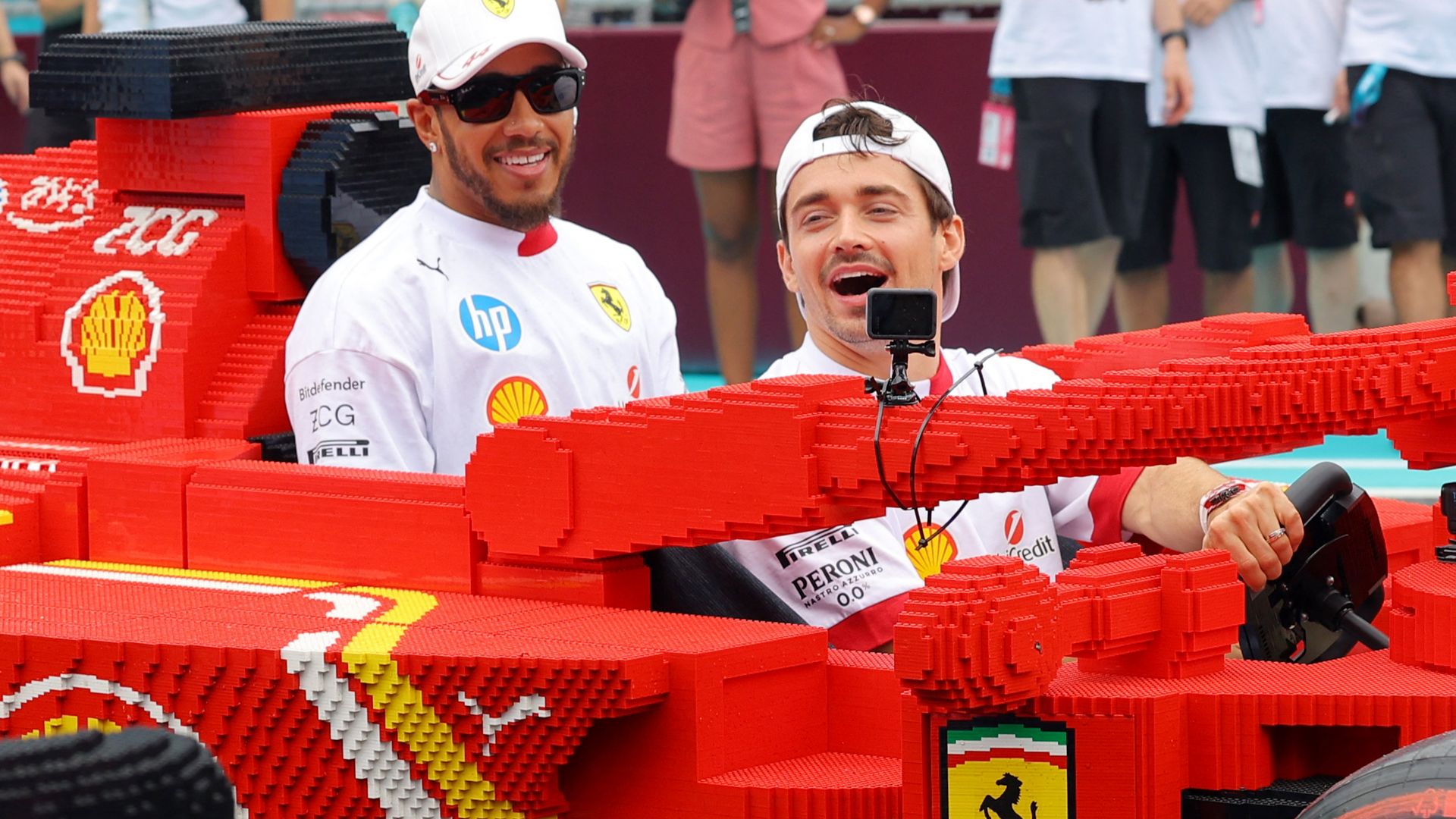
Prominent voices within the paddock expressed concerns that this gimmick trivializes the sport’s intense competitive nature. One driver commented that they “should not look like kids and clowns” while representing their teams and sponsors on a global stage. The underlying sentiment is clear: while fan engagement is crucial, it should not come at the expense of Formula One’s sophisticated image.
Why the Lego Parade Sparked Backlash
Formula One has long balanced tradition with innovation, constantly seeking ways to broaden its appeal without losing its core identity. The British Grand Prix, held at the historic Silverstone circuit, is a marquee event with a passionate fan base and rich heritage. In this context, the Lego car parade was viewed by some as a misstep that clashed with the sport’s established tone.
Drivers are at the heart of Formula One’s global appeal, celebrated for their skill, bravery, and competitive spirit. Presenting them in toy-like vehicles risks diminishing the respect and seriousness they command. This is especially significant given the sport’s global audience and the high stakes involved in every race weekend.
Furthermore, the parade raised questions about how Formula One balances entertainment and sport. While engaging younger audiences and families remains a priority, the drivers and teams must also feel their professionalism is upheld. The Lego cars, while imaginative, may have tipped the scale too far toward spectacle.
What This Means for Formula One’s Future Fan Engagement
The criticism surrounding the Lego car parade highlights the delicate line Formula One must walk when innovating fan experiences. On one hand, the sport must evolve to attract new demographics, including younger viewers who might find such playful elements appealing. On the other hand, it must preserve the respect and prestige that make Formula One unique.
Going forward, organizers may need to reassess how they integrate creative ideas into race weekends. Ideas that resonate well in marketing campaigns or social media might not translate effectively on the track or in front of live audiences. The voices of drivers, who embody the sport’s competitive essence, should remain central to planning these initiatives.
Ultimately, Formula One’s brand thrives on a combination of high-speed drama, technical innovation, and the charisma of its athletes. Fan engagement strategies must reinforce these pillars rather than detract from them.
Looking Ahead: Balancing Fun and Professionalism
Formula One stands at a crossroads between tradition and modernization. The Lego car parade controversy serves as a reminder that every new idea carries risks and rewards. While fun and creativity have their place, they should not overshadow the core values that define the sport.
For fans and participants alike, the takeaway is clear: Formula One must continue to innovate, but always with an eye toward maintaining the dignity and intensity that have made it the pinnacle of motorsport. The sport’s future success depends on striking that perfect balance—engaging new audiences without compromising the respect earned by drivers and teams over decades.