The UK government has announced active efforts to impose a ban on both imports and exports linked to Israeli settlements deemed illegal under international law. This decisive move, confirmed by the UK Trade Minister on Wednesday morning, signals a significant shift in the country’s trade and foreign policy regarding the contentious settlements in the occupied Palestinian territories.
Understanding the Ban on Israeli Settlements Trade
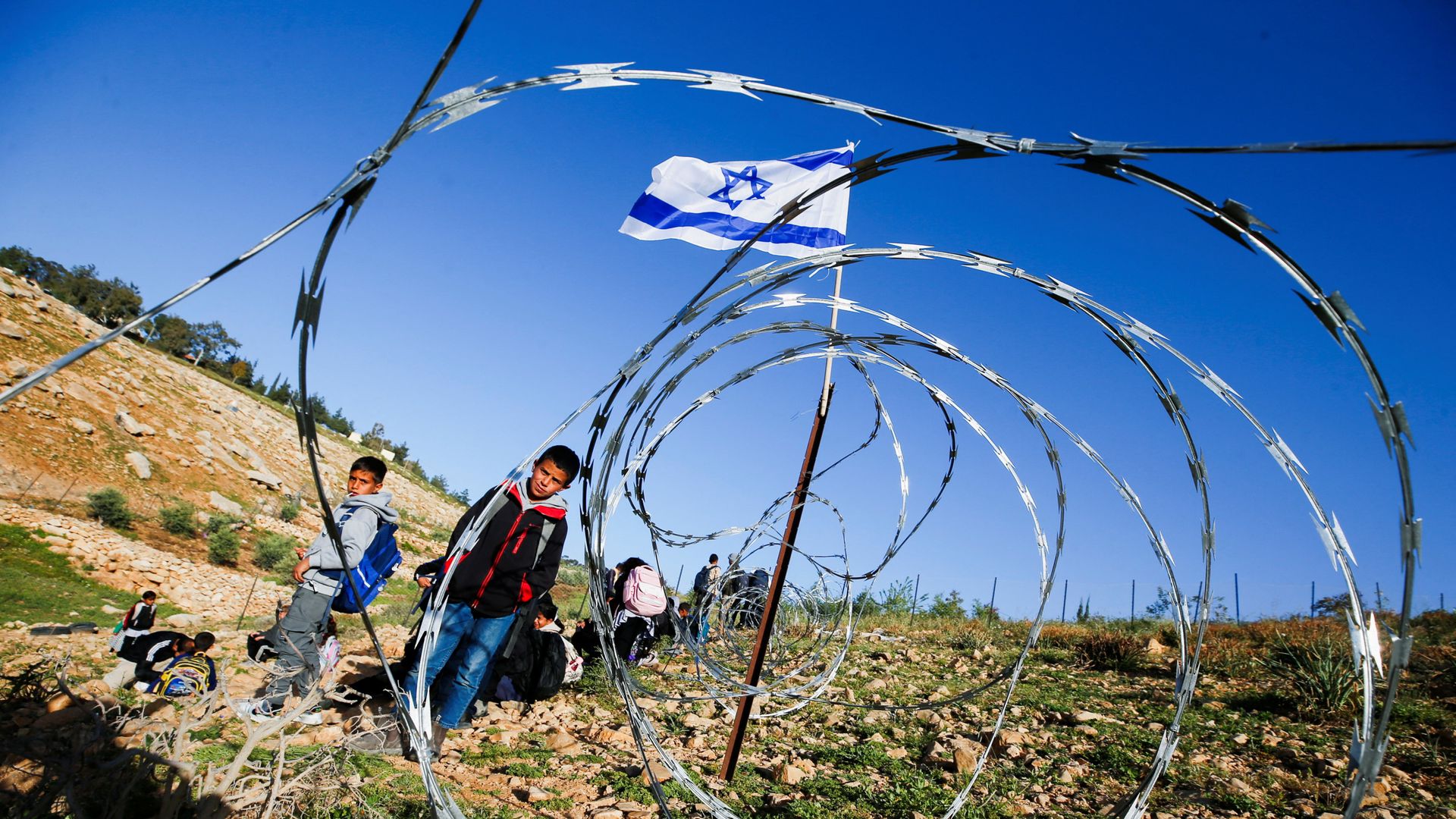
The proposed ban targets goods and services originating from or destined for Israeli settlements that are widely considered illegal under international law, including United Nations resolutions. These settlements are built on land captured during the 1967 Six-Day War and are viewed by much of the international community as obstacles to peace between Israel and the Palestinians.
The Trade Minister emphasized that the UK government is committed to aligning its trade regulations with international legal standards and human rights considerations. By restricting trade with the settlements, the UK aims to reduce economic incentives that contribute to the expansion and entrenchment of these settlements.
This policy development comes amid growing global scrutiny of settlement activities and increasing calls from various governments and civil society groups to take concrete action against companies and products linked to them. The UK’s initiative reflects a broader trend seen in the European Union and other Western nations, which have implemented or considered similar trade restrictions.
Why This Matters: Legal and Ethical Dimensions
The settlements have long been a flashpoint in the Israeli-Palestinian conflict. International legal bodies, including the International Court of Justice, have declared these settlements illegal under the Fourth Geneva Convention, which prohibits an occupying power from transferring its own population into occupied territory.
By moving to ban trade with these settlements, the UK is reinforcing its stance on upholding international law and human rights. This policy sends a clear message that economic activities supporting or benefiting from settlement expansion will face regulatory hurdles.
Furthermore, the ban addresses ethical concerns regarding the exploitation of Palestinian land and resources. Many settlements are built on confiscated land, often displacing Palestinian communities and restricting their access to vital resources such as water and agricultural areas.
From an economic perspective, the ban could impact a range of products commonly associated with the settlements, including agricultural produce, manufactured goods, and services. UK businesses will need to ensure their supply chains are free from settlement-linked goods to comply with the forthcoming regulations.
What Comes Next: Implementation and Impact
While the government has confirmed its intention to pursue this ban, the detailed framework and timeline for implementation have yet to be fully disclosed. The Trade Minister indicated that consultations with stakeholders, including businesses and human rights organizations, will inform the final regulations.
The UK government will likely work closely with customs and trade enforcement agencies to monitor compliance and prevent the entry or export of banned goods. Businesses engaged in trade with the region are expected to face increased scrutiny and may need to adjust procurement and sales practices accordingly.
Politically, the move could heighten tensions with the Israeli government, which has historically opposed such restrictions and views them as discriminatory and counterproductive to peace efforts. However, the UK’s decision aligns with its long-standing support for a two-state solution and adherence to international legal norms.
Advocates for Palestinian rights have welcomed the announcement, seeing it as a critical step toward holding Israel accountable for settlement activities and promoting justice for affected Palestinian communities.
Looking Ahead: The Broader Implications
The UK’s initiative to ban trade with Israeli settlements reflects an evolving global approach to addressing the complexities of the Israeli-Palestinian conflict through economic measures. By leveraging trade policy, the UK aims to influence on-the-ground realities and encourage compliance with international law.
This policy may also set a precedent for other nations considering similar measures, potentially leading to a coordinated international effort to regulate settlement-related trade. Such developments could increase pressure on Israel to halt settlement expansion and engage more constructively in peace negotiations.
For UK consumers and businesses, the ban underscores the growing importance of ethical and legal considerations in global supply chains. It also highlights the interconnectedness of international trade, human rights, and foreign policy decisions.
As the government moves forward with this policy, close attention will be paid to its implementation details and tangible impacts on the trade landscape and diplomatic relations in the Middle East.
In summary, the UK’s planned ban on imports and exports involving Israeli settlements marks a significant step in aligning trade policies with international law and human rights. This move not only challenges economic activities linked to the settlements but also reinforces the UK’s commitment to pursuing a just and peaceful resolution to the Israeli-Palestinian conflict.