The UK economy teetered on the brink of stagnation in May, expanding by a mere 0.1%, according to the latest official data. This slowdown arrives amid growing speculation that Rachel Reeves, the Chancellor of the Exchequer, is on the verge of leaving her post at Number 11 Downing Street.
Economic Growth Slows to a Crawl
The headline figure of 0.1% growth signals a near-flatlining economy, raising concerns about the UK’s short-term financial health. After months of uncertainty driven by inflationary pressures, energy costs, and global economic challenges, this minimal increase reflects a fragile recovery that has yet to gain solid traction.
May’s performance falls short of analysts’ expectations, who had predicted slightly stronger growth as some sectors showed signs of resilience earlier in the year. The sluggish expansion raises questions about the effectiveness of current fiscal policies and the government’s ability to stimulate sustainable economic momentum.
Rachel Reeves’s Tenure and the Political Context
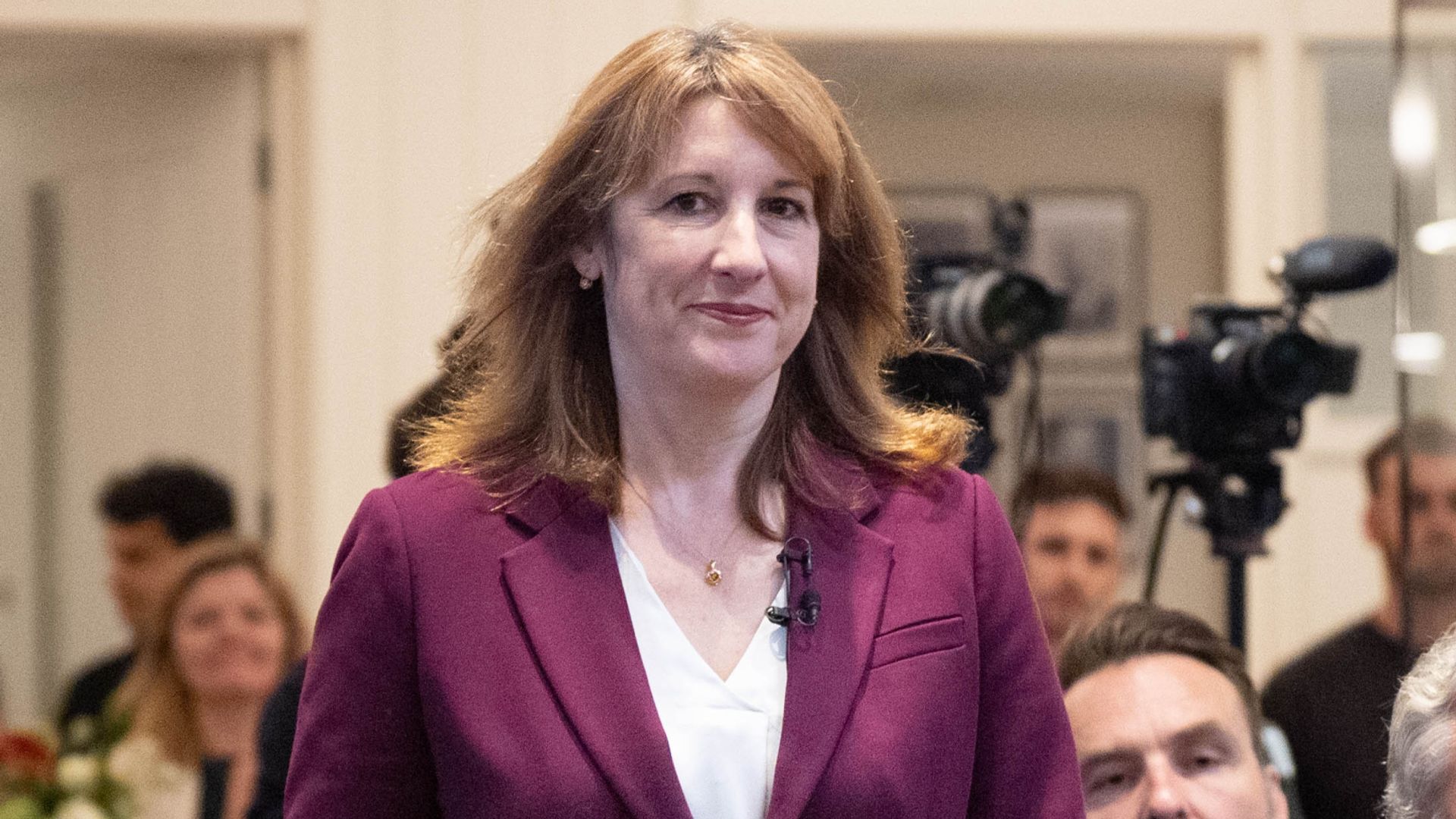
Rachel Reeves assumed office amid a turbulent economic landscape, tasked with steering the UK through inflation spikes and post-pandemic recovery efforts. As Chancellor, Reeves introduced measures aimed at balancing fiscal responsibility with support for households and businesses. However, the latest economic data and political developments suggest mounting pressure on her leadership.
Reports have increasingly linked the fragile economic performance with calls within the government for a change in economic strategy. Reeves’s anticipated exit from Number 11 reflects deepening concerns over the direction of the UK’s financial management amid persistent economic headwinds.
Her departure would mark a significant political shift, potentially paving the way for new fiscal policies as the government seeks to reinvigorate growth and restore investor confidence.
Implications for the UK Economy and What Lies Ahead
The nearly stagnant growth figure signals a warning for policymakers and businesses alike. A flatlining economy risks dampening consumer confidence, limiting investment, and constraining job creation. If growth fails to accelerate in the coming months, the UK could face prolonged economic challenges, including slower wage growth and increased financial insecurity for households.
For the government, the immediate challenge lies in crafting a coherent economic strategy to reverse this trend. This might involve fresh fiscal stimulus, targeted support for key industries, or reforms aimed at boosting productivity. The transition following Reeves’s anticipated departure will be critical in shaping the UK’s economic trajectory.
Investors and international observers will closely monitor upcoming economic data and political decisions, as the UK’s ability to sustain growth impacts its standing in the global marketplace.
Takeaway: A Pivotal Moment for UK Economic Policy
The UK’s minimal 0.1% growth in May underscores an economy struggling to gain momentum amid complex domestic and global challenges. As Rachel Reeves nears a likely exit from the Chancellor role, the government faces urgent pressure to redefine its economic approach. The coming months will be crucial in determining whether the UK can break free from stagnation and secure a more robust and resilient economic future.