Emergency responders faced a daunting battle overnight as a wildfire ignited and spread swiftly across the UK’s largest national park. The blaze escalated with alarming speed, forcing firefighters to mobilize extensive resources to contain the flames and protect the vast natural landscape.
What Happened: Fire Erupts in Expansive National Park
The wildfire erupted in a remote area within the boundaries of the UK’s largest national park, an area renowned for its expansive moorlands, dense woodlands, and vital wildlife habitats. The park covers thousands of hectares and draws millions of visitors annually, making the wildfire not only an environmental crisis but also a threat to public safety and local economies dependent on tourism.
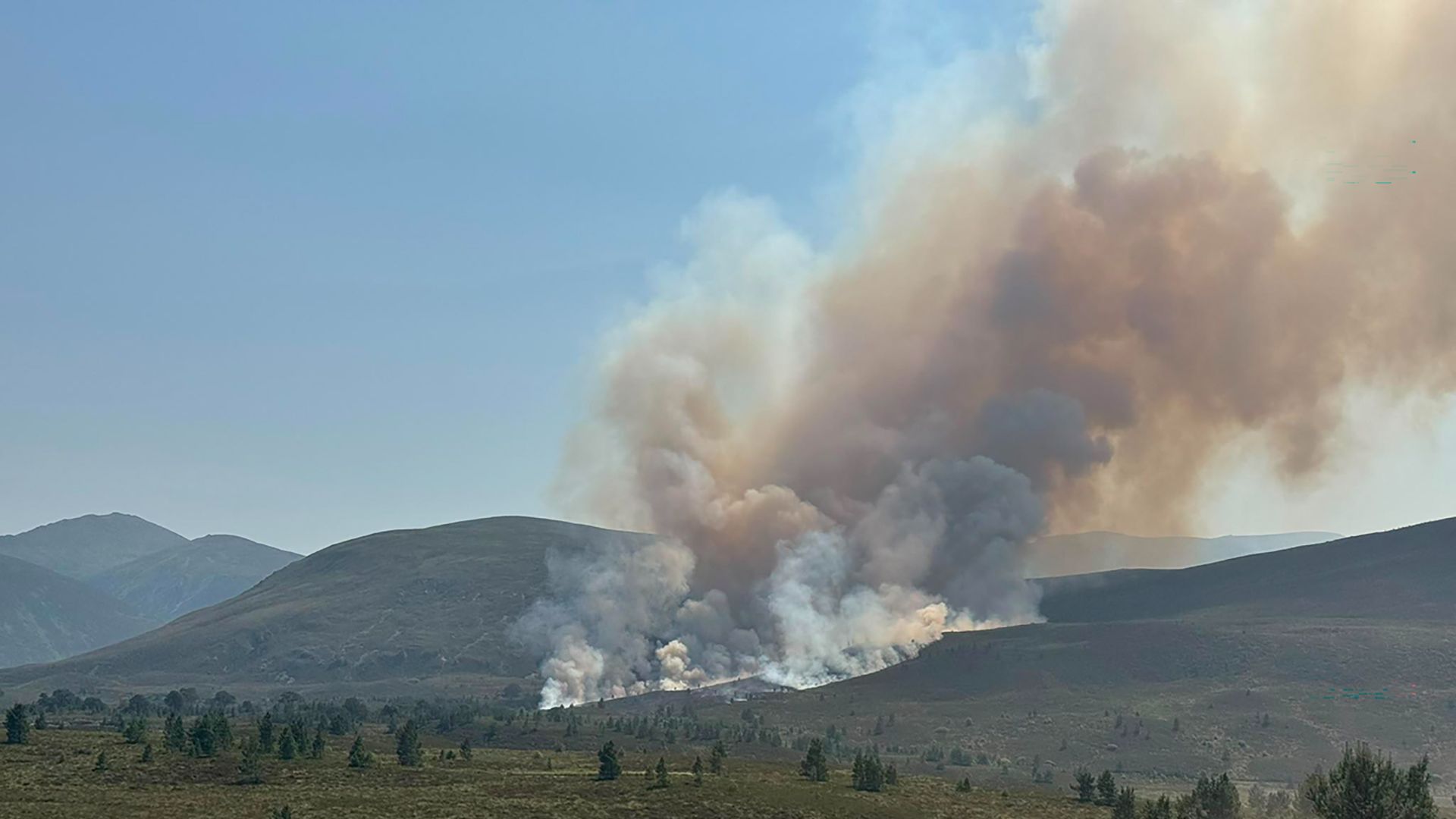
Firefighters and emergency crews were dispatched immediately and worked relentlessly through the night, battling the blaze as it rapidly consumed dry vegetation. The intensity of the fire, aided by dry weather conditions and winds, caused the situation to deteriorate swiftly, with flames spreading across challenging terrain that complicated containment efforts.
Why It Matters: Environmental and Community Impact
This wildfire poses a significant threat to one of the UK’s most treasured natural assets. The national park is home to rare species of plants and animals, some of which are highly sensitive to habitat disruption. The destruction of these habitats could have long-lasting ecological consequences, disrupting biodiversity and affecting conservation efforts.
Beyond environmental damage, the wildfire endangers local communities and livelihoods. The park supports a network of small towns and villages that depend on tourism and agriculture. Road closures and air quality concerns due to smoke can hinder daily life, while the fire itself creates immediate danger to residents and visitors alike.
Firefighters reported that conditions became “scary very quickly,” underscoring the unpredictable and hazardous nature of wildfires in such environments. Their efforts focused not only on extinguishing the flames but also on preventing the fire from reaching populated areas and critical infrastructure.
What Comes Next: Containment and Recovery Efforts
Emergency services continue to monitor the situation closely as they work to fully contain the wildfire. Aerial support, including water-dropping helicopters, has been deployed alongside ground crews to tackle hotspots and prevent further spread. Weather forecasts and terrain analysis play a crucial role in shaping the firefighting strategy moving forward.
In the aftermath, park authorities and environmental organizations will assess the damage and begin restoration initiatives. These may involve replanting affected areas, rehabilitating wildlife habitats, and implementing fire prevention measures to reduce the risk of future outbreaks.
Local authorities are also expected to review emergency preparedness plans and community safety protocols to better respond to such incidents. The wildfire serves as a stark reminder of the growing risks posed by climate-related factors, including prolonged droughts and heatwaves, which increase the likelihood and severity of wildfires across the UK.
Looking Ahead: Lessons and Precautions
This wildfire highlights the urgent need for enhanced wildfire management and resilience strategies in the UK. As climate change continues to influence weather patterns, national parks and rural areas must adapt to the evolving threat landscape.
For visitors and residents, awareness and adherence to fire safety guidelines are critical. Avoiding activities that could spark fires, reporting smoke promptly, and supporting local fire prevention efforts can collectively reduce wildfire risks.
The dedication and swift response of firefighters and emergency crews remain vital in protecting both natural heritage and communities. Their ongoing efforts will shape the recovery trajectory and inform future policies aimed at safeguarding the UK’s largest national park from similar threats.