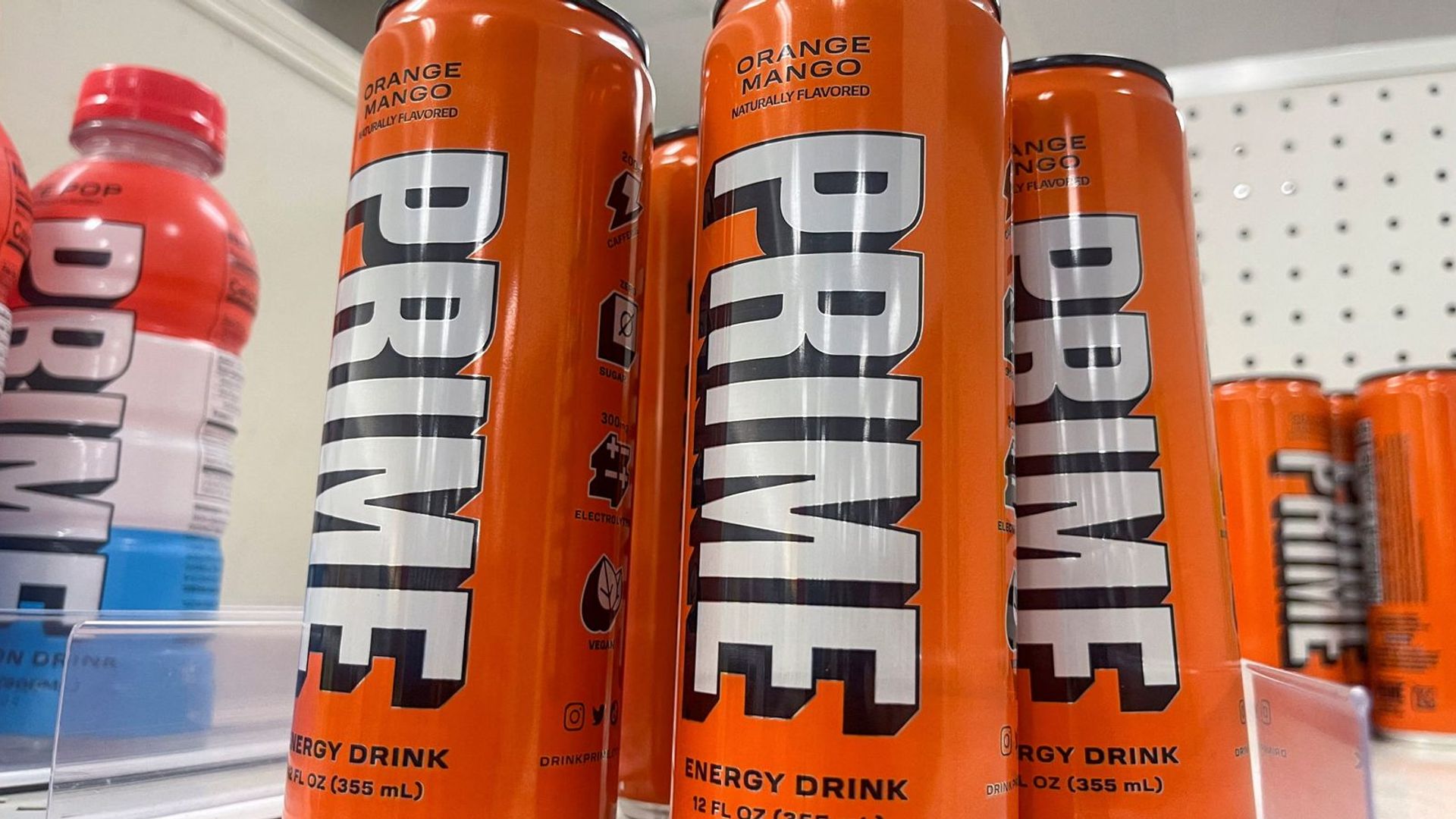
England will implement a nationwide ban on selling high-caffeine energy drinks to anyone under the age of 16 beginning in April 2025. This decisive move targets the growing health concerns linked to excessive consumption of these beverages among young teenagers.
What the Ban Entails and Why It’s Being Introduced
The upcoming legislation prohibits retailers from selling energy drinks containing high caffeine levels to individuals younger than 16. This move aims to curb the rising intake of energy drinks among children and adolescents, a trend that health experts have increasingly flagged as harmful.
Energy drinks often contain caffeine quantities far exceeding those found in standard soft drinks or coffee. When consumed in excess, caffeine can lead to adverse effects such as increased heart rate, anxiety, sleep disturbances, and in severe cases, more serious cardiovascular issues. These risks are particularly pronounced in younger consumers, whose bodies and nervous systems are still developing.
The decision follows mounting evidence and public health advocacy highlighting the detrimental impact of energy drinks on youth well-being. Health authorities and campaigners have long warned that unrestricted access allows underage consumers to ingest unsafe caffeine levels, potentially causing both immediate and long-term health problems.
Enforcement and Impact on Retailers and Consumers
Starting April next year, retailers across England will face strict regulations barring them from selling high-caffeine energy drinks to anyone under 16. Failure to comply could result in penalties or fines, emphasizing the government’s commitment to protecting young people’s health.
This ban aligns with broader public health strategies designed to reduce childhood exposure to potentially harmful substances, including sugar and caffeine. Retailers will need to implement age verification measures, similar to those used for alcohol and tobacco sales, to ensure compliance.
For young consumers, this policy aims to reduce the availability of energy drinks that can disrupt sleep patterns, increase anxiety, and contribute to unhealthy behaviors. Parents and schools will likely welcome the move as a step toward safeguarding children from substances that can negatively affect their development and academic performance.
Why This Matters: The Broader Health Implications
The decision to restrict energy drink sales to under-16s reflects a growing understanding of how diet and lifestyle affect youth health. Excessive caffeine consumption among children has been linked to increased cases of hyperactivity, behavioral issues, and even addiction-like symptoms.
By limiting access to high-caffeine energy drinks, public health officials hope to encourage healthier consumption habits early in life. This ban could contribute to lowering rates of caffeine-related health complaints and improve overall youth well-being.
Moreover, the policy sets a precedent for other regions considering similar restrictions, potentially prompting a nationwide shift in how energy drink consumption is regulated in the UK. It also aligns with international trends where governments are increasingly scrutinizing the marketing and sale of high-caffeine products to minors.
Looking Ahead: What to Expect
As the April 2025 implementation date approaches, retailers will need to prepare for compliance by training staff and updating sales protocols. Consumers and parents should anticipate changes in product availability and be ready to support healthier lifestyle choices for young people.
While this ban does not prohibit adults from purchasing energy drinks, it marks a critical step toward reducing youth exposure to potentially harmful substances. The government’s move underscores the importance of proactive measures in public health policy to protect vulnerable populations.
Ultimately, restricting energy drink sales to under-16s represents a significant effort to promote safer consumption habits and protect the health of the next generation.