The heartbreaking case of Sara Sharif, who died last August, has taken another significant turn as her stepmother pushes for a jury-led inquest into the circumstances surrounding the young girl’s death. The devastating incident has gripped the community and raised profound questions about accountability and justice.
The Tragic Death of Sara Sharif
In August last year, 10-year-old Sara Sharif lost her life in a shocking and tragic event at her family home in Surrey. The situation escalated dramatically when Sara’s father fled to Pakistan shortly after the incident. Authorities were alerted when he contacted the police, confessing to killing his daughter. This confession has been central to the ongoing legal proceedings, bringing intense scrutiny to the case and the family dynamics involved.
This incident has shocked the local community and drawn widespread media attention, highlighting issues surrounding child protection and domestic violence. Sara was just a child with her whole life ahead of her, and the loss has deeply affected those who knew her and the public at large.
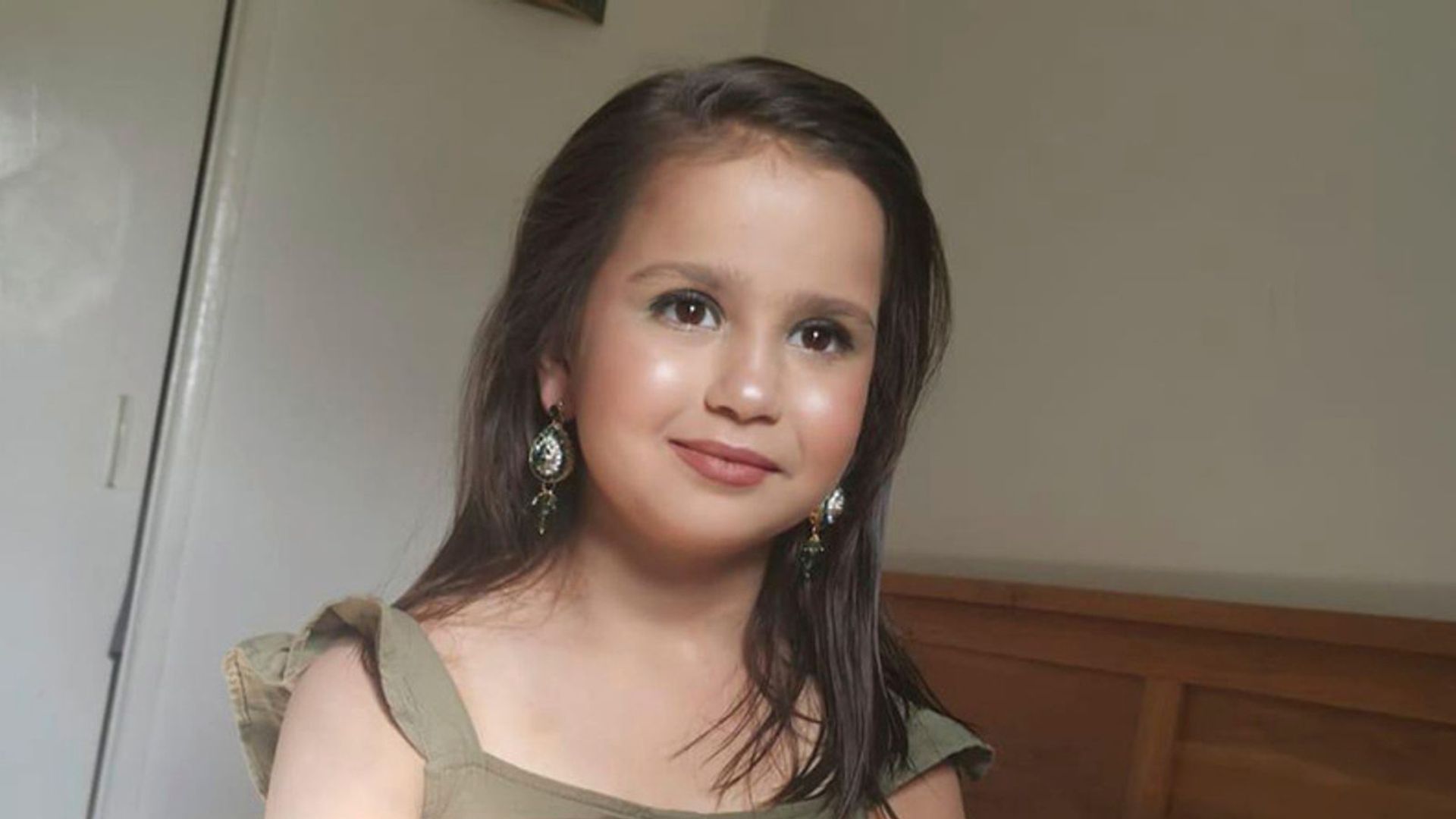
Stepmother’s Call for a Jury Inquest
The stepmother of Sara Sharif has now publicly called for the inquest into Sara’s death to be conducted with a jury. Inquests are formal legal inquiries into sudden or unexplained deaths, typically held to establish the facts and circumstances. While some inquests proceed without a jury, the stepmother argues that a jury-led process will ensure a more thorough and transparent examination of what happened.
Her demand reflects a desire for a robust legal process that can hold all parties accountable and provide clarity on the events leading to Sara’s death. A jury inquest involves community members in reviewing evidence and can lead to stronger recommendations to prevent future tragedies.
This call also underscores a broader push for justice and the need to understand how such a tragedy could occur within a family setting. The stepmother’s stance may influence the legal authorities as they consider the appropriate way forward.
Why This Case Matters
Sara Sharif’s death is not just a personal family tragedy but also a critical case that shines a spotlight on child safety and the criminal justice system’s role in dealing with familial homicide. The fact that Sara’s father admitted to the killing raises important questions about the circumstances that led to the fatal act and what preventative measures might have been missed.
Holding an inquest with a jury could lead to greater transparency and potentially reveal systemic failures or warning signs that were overlooked. This, in turn, could inform future child protection policies and intervention strategies aimed at preventing similar tragedies.
Moreover, the case highlights the emotional toll on surviving family members, like Sara’s stepmother, who seek answers and justice in the wake of unimaginable loss. The legal process and its outcomes will be closely watched by advocates for child welfare and justice reform.
Looking Ahead: What to Expect
The next phase of this case will focus on the forthcoming inquest and whether the authorities will grant the stepmother’s request for a jury. Legal experts will weigh the benefits of a jury inquest against the efficiency of a non-jury process, considering the sensitivity and public interest involved.
As the investigation continues, there will be a critical examination of evidence and testimonies to uncover the full story behind Sara Sharif’s death. The community and those following the case hope that this process will lead to concrete lessons and stronger safeguards.
The stepmother’s push for a jury inquest represents a powerful demand for justice and transparency. It underscores the need for a legal process that not only establishes facts but also serves the interests of the victim’s family and society’s broader commitment to protecting children.
Ultimately, the outcome of this case will resonate beyond the immediate tragedy, influencing how similar cases are handled in the future and how child protection frameworks are enforced across the UK.
Full details of the inquest arrangements and subsequent legal proceedings have not yet been released.