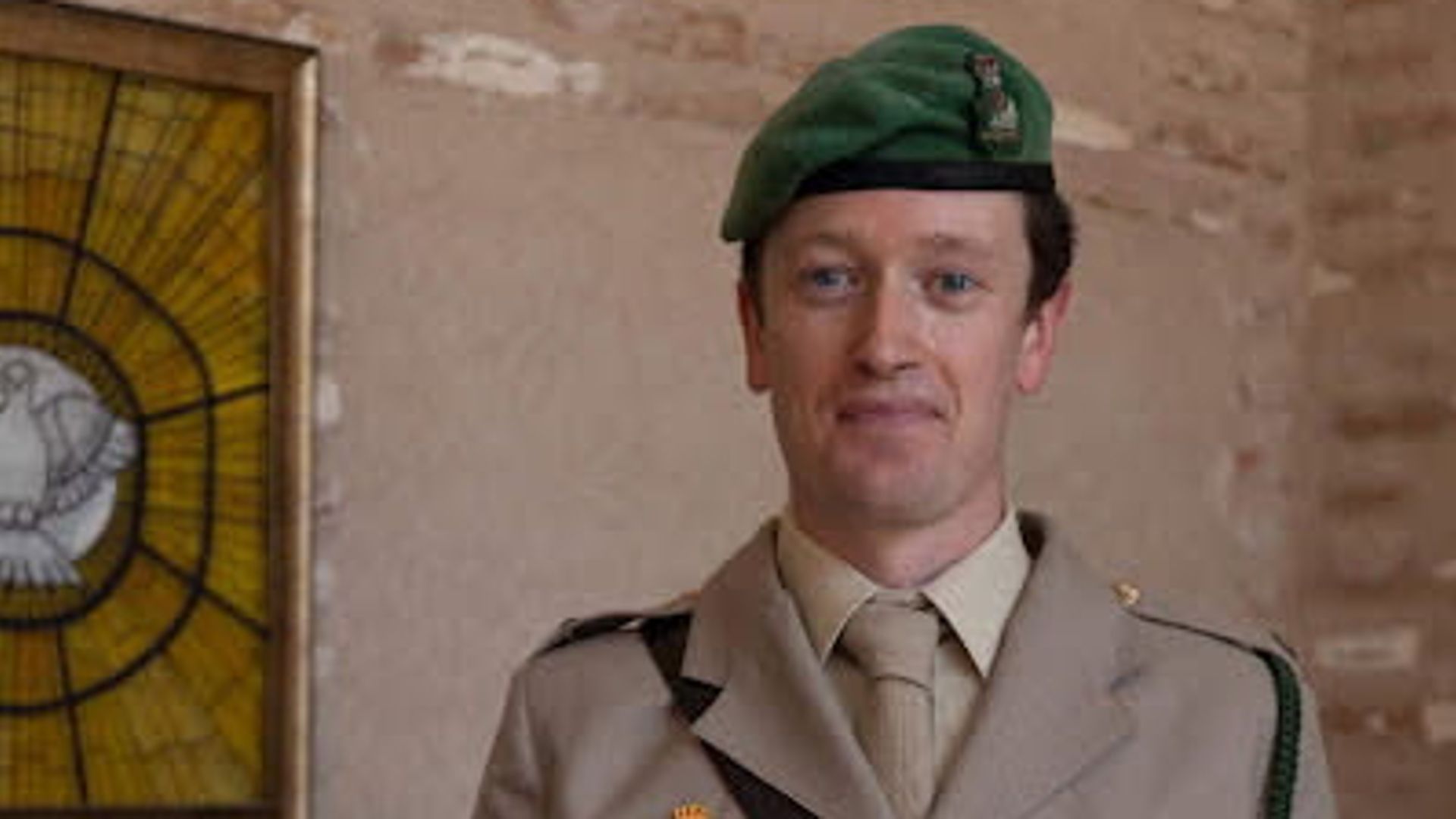
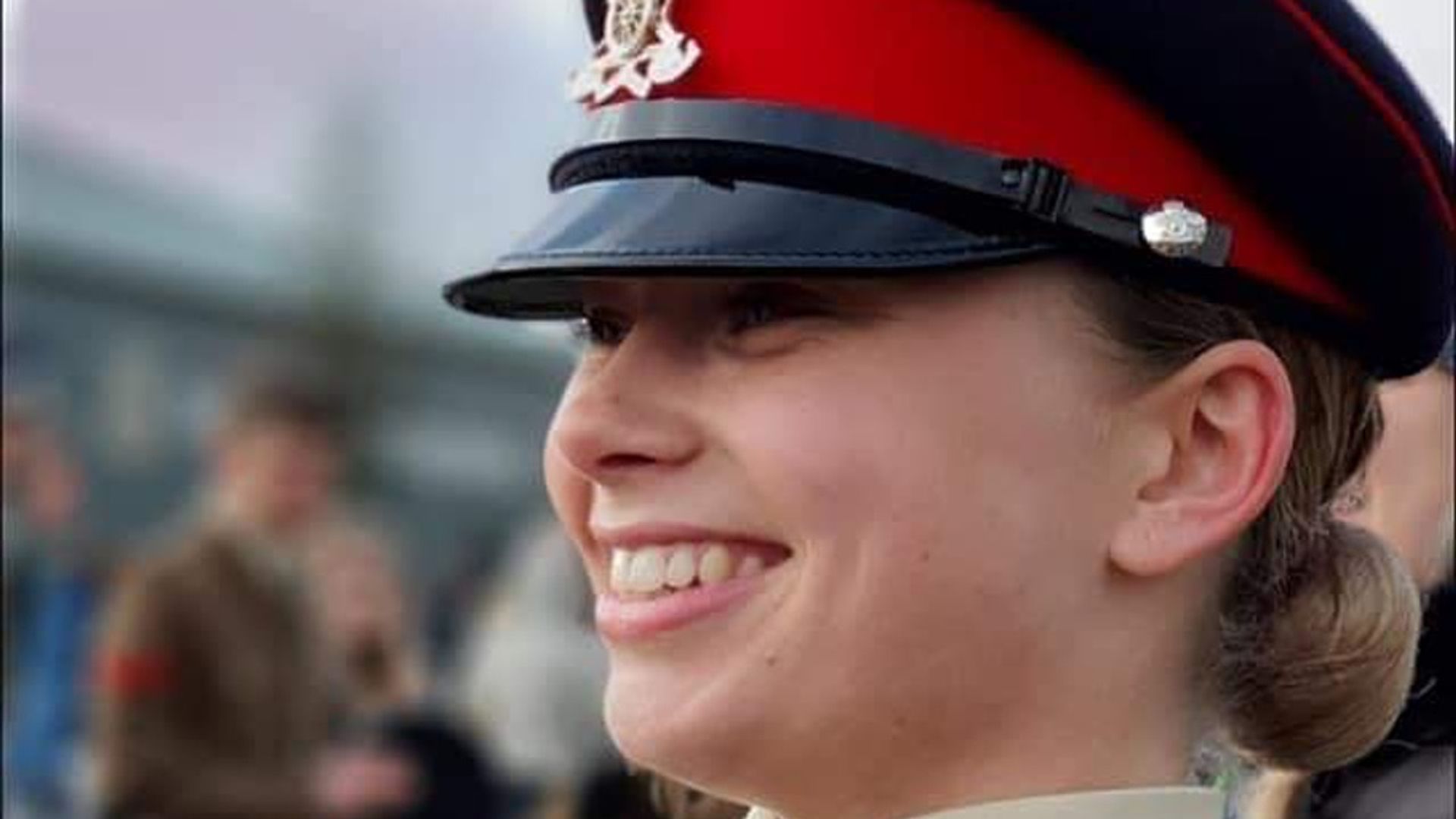
A brutal knife attack on Remembrance Sunday ended tragically when a grandfather was fatally stabbed by a man suffering from schizoaffective disorder. The assailant has now been handed an indefinite hospital order, signaling a significant legal and medical intervention following the violent incident.
The Deadly Attack on Remembrance Sunday
On a day dedicated to honoring the sacrifices of veterans, the community was shaken by a shocking and unprovoked stabbing. The victim, a beloved grandfather, became the target of a random knife assault that left family, friends, and witnesses horrified. This attack did not stem from a personal dispute or known conflict, but rather from the assailant’s untreated mental health condition, which severely impaired his judgment and actions.
The timing of the attack on Remembrance Sunday added a layer of poignancy and distress to the tragedy. Across the nation, ceremonies and moments of silence were overshadowed by the violence, highlighting the unpredictable nature of knife crime and the complex challenges surrounding mental health crises in public spaces.

Understanding Schizoaffective Disorder and Its Impact
Schizoaffective disorder is a chronic mental health condition characterized by symptoms of both schizophrenia and mood disorders, such as depression or bipolar disorder. Individuals affected may experience hallucinations, delusions, mood swings, and impaired reality testing, which can significantly affect their behavior and decision-making.
In this case, the man’s diagnosis played a central role in the court’s decision. Rather than traditional imprisonment, the judge ordered an indefinite hospital order, placing the individual under continuous psychiatric care. This legal measure reflects the intersection of criminal justice and mental health treatment, aiming to prevent further harm by addressing the root causes of the violent behavior.
Indefinite hospital orders allow for ongoing assessment and treatment within secure medical facilities, balancing public safety with the patient’s need for specialized care. Such orders are typically reserved for cases where mental illness is deemed the primary factor behind the offense, as was determined here.
Legal and Community Implications of the Sentence
The sentencing sends a strong message about how the justice system manages cases involving severe mental illness. It acknowledges the complexity of holding individuals accountable while ensuring they receive appropriate medical intervention. This approach also reflects growing awareness about the links between untreated mental health disorders and violent incidents.
For the victim’s family, the sentence brings a measure of closure, though the loss remains profound. Community members have expressed a mix of grief and concern, emphasizing the need for improved mental health support systems to prevent similar tragedies.
Experts stress that early diagnosis and treatment of conditions like schizoaffective disorder are critical to reducing risks. Enhanced mental health services, crisis intervention teams, and public education can play vital roles in identifying individuals at risk and providing timely assistance.
What This Means Moving Forward
This case highlights the urgent need for integrated strategies that combine public safety, mental health care, and community support. Law enforcement, healthcare providers, and policymakers face ongoing challenges in balancing these priorities effectively.
As the man remains under indefinite hospital care, ongoing evaluations will determine when or if he can safely reintegrate into society. Meanwhile, the tragedy serves as a sobering reminder of the consequences when mental illness goes untreated and the crucial importance of accessible, comprehensive mental health services.
Communities must rally around both victims and individuals struggling with mental illness to foster safer environments. The hope is that through awareness, compassion, and coordinated action, future violent incidents linked to mental health crises can be prevented.