A tragic accident unfolded at Heathrow Airport when a Virgin Atlantic engineer suffered fatal injuries due to an explosion inside an aircraft fuel tank. The inquest revealed that the engineer sustained a traumatic brain injury during his maintenance work, leading to his untimely death.
The Incident: What Happened Inside the Fuel Tank?
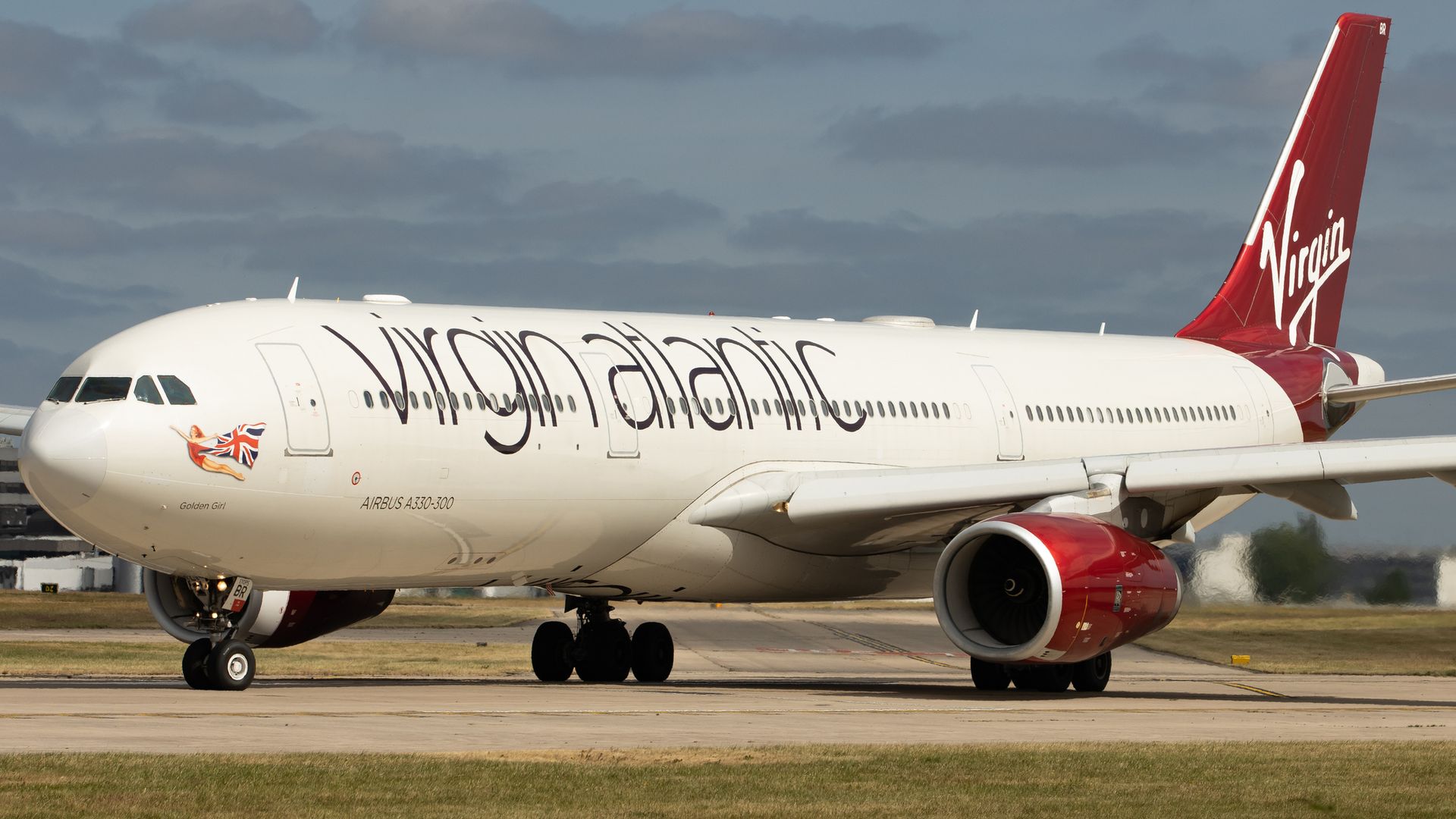
While performing routine maintenance, the Virgin Atlantic engineer was working inside the fuel tank of an aircraft when an unexpected explosion occurred. The blast caused severe trauma, particularly to the engineer’s brain, which proved to be fatal. Details presented at the inquest confirmed that the explosion was sudden and catastrophic, leaving no time for escape or emergency response from the engineer himself.
Aircraft fuel tanks are highly sensitive environments due to the presence of flammable vapors and complex electrical systems. Strict safety protocols exist to protect engineers during such operations, but the incident at Heathrow highlights the inherent risks involved in aircraft maintenance.
Understanding the Risks: Maintenance Inside Aircraft Fuel Tanks
Maintenance work inside fuel tanks involves intricate procedures designed to prevent ignition of fuel vapors. Engineers like the Virgin Atlantic employee undergo specialized training to manage these dangers. Despite this, the combination of confined spaces, volatile substances, and electrical components creates a precarious environment where even minor errors or unexpected equipment failures can lead to disaster.
The inquest shed light on how critical it is to maintain rigorous safety standards, carry out thorough risk assessments, and ensure communication protocols are strictly followed. Any lapse can have devastating consequences not only for the workers but also for airline operations and passenger safety.
Why This Tragedy Matters: Implications for Aviation Safety
The death of the Virgin Atlantic engineer raises urgent questions about existing safety measures during aircraft maintenance, especially in fuel tanks. Heathrow Airport, one of the world’s busiest hubs, depends heavily on flawless upkeep of aircraft to guarantee passenger and crew safety. This fatal explosion exposes potential vulnerabilities in maintenance practices or equipment safety standards.
In response, aviation authorities and airlines must review protocols and perhaps introduce enhanced safety mechanisms to prevent similar incidents. This might include improved monitoring of fuel tank atmospheres, better protective gear for engineers, or advancements in non-intrusive inspection technologies to reduce the need for personnel entry into hazardous spaces.
Moreover, the event serves as a stark reminder of the dangers faced by aircraft maintenance personnel daily. Their role is critical in ensuring the safety of millions of passengers worldwide, and their protection should be a top priority within the aviation industry.
Looking Ahead: Lessons and Preventative Measures
As the inquest concludes, aviation regulators and Virgin Atlantic will likely intensify their investigations to pinpoint the exact cause of the explosion. The findings will be pivotal in shaping future safety guidelines and engineering protocols. Preventing another fatal accident hinges on understanding what went wrong and implementing robust corrective measures across the industry.
For the aviation community and the public, this tragedy underscores the importance of continual vigilance and innovation in aircraft maintenance safety. Protecting the lives of engineers and technicians is essential not only for their well-being but also for maintaining the integrity of air travel worldwide.
In summary, the fatal explosion at Heathrow that claimed the life of a Virgin Atlantic engineer is a sobering reminder of the risks inherent in aircraft maintenance. It compels industry leaders to reinforce safety protocols and safeguard those who work tirelessly behind the scenes to keep aircraft operational and passengers safe.