The UK government has taken decisive action to rein in spiraling expenses on the High Speed 2 (HS2) rail project by renegotiating two of its largest private sector contracts. This move, announced on Friday, signals a renewed effort to bring Britain’s most ambitious and controversial infrastructure scheme back under financial control.
What Led to the Contract Renegotiations?
HS2, envisioned as a transformative high-speed rail link connecting London with major northern cities, has faced intense scrutiny due to ballooning costs and delays. Originally projected to cost around £32 billion, recent estimates suggest expenses could far exceed this figure, fueling public and political concern.
The government’s decision to revisit pivotal contracts reflects ongoing challenges in managing complex partnerships with private contractors responsible for construction and engineering. These contracts represent a substantial portion of HS2’s budget, making their terms critical to the project’s overall financial health.
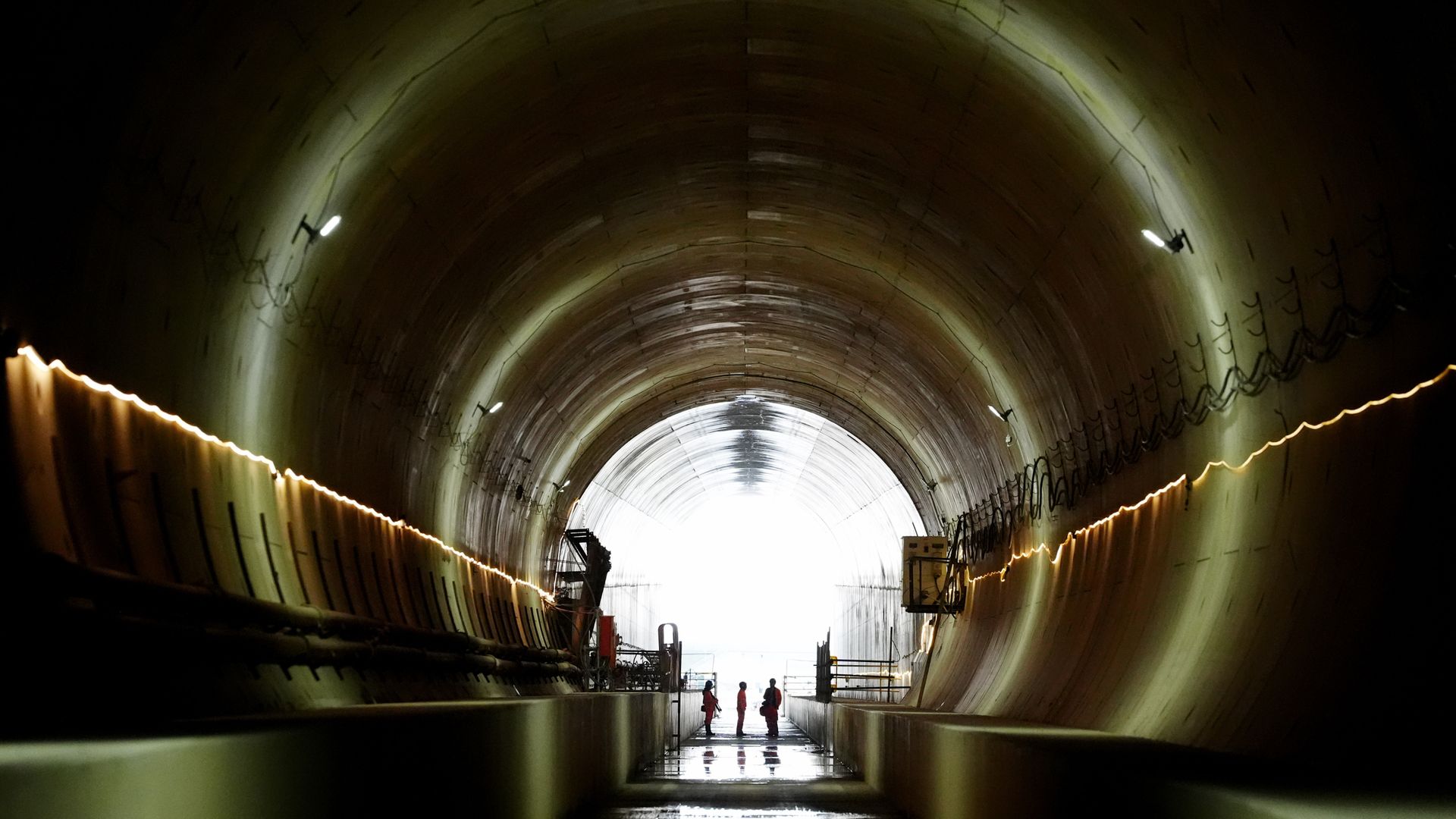
By renegotiating these agreements, ministers aim to secure more favorable terms that reduce risk exposure and curb unnecessary expenditures. Although specific details of the revised deals have not been fully disclosed, the government emphasizes that the adjustments will help put HS2’s budget on a more sustainable path.
Why These Contracts Matter for HS2’s Future
The two contracts in question involve some of the largest private firms engaged in delivering HS2’s infrastructure components. Their successful renegotiation is vital because it affects the project’s timeline, cost trajectory, and ultimately, public confidence.
HS2 has long been a lightning rod for debate. Supporters tout it as a necessary investment to boost economic growth, reduce regional disparities, and modernize Britain’s rail network. Critics argue that escalating costs and environmental concerns overshadow these benefits, branding the project a costly “white elephant.”
In this context, demonstrating effective cost management through contract renegotiations responds directly to mounting pressure from taxpayers and policymakers. It also signals an acknowledgement within government circles that previous contract arrangements may have been too lenient or poorly structured to safeguard public funds.
What This Means for Britain’s Infrastructure Ambitions
Successfully renegotiating these major contracts could mark a turning point for HS2 and future infrastructure projects. It highlights the importance of rigorous oversight and flexibility when managing multi-billion-pound partnerships between the public and private sectors.
Moreover, it underscores the government’s commitment to delivering HS2 while adapting to evolving economic realities. By tightening control over costs now, officials hope to avoid further budget overruns that could derail the project entirely or diminish its intended benefits.
However, the broader debate over HS2’s value remains unresolved. As construction continues, stakeholders will closely monitor whether these contract changes translate into tangible savings and improved efficiency on the ground.
Ultimately, the government’s handling of HS2 contracts will serve as a case study for managing large-scale infrastructure investments under fiscal constraints. It may also influence public trust in future projects aimed at modernizing transport and stimulating economic development across the UK.
Looking Ahead
While the renegotiations represent progress, the full impact on HS2’s cost and delivery schedule will only become clear over time. Continuous transparency and accountability will be critical as the project moves forward.
For now, the government’s announcement offers cautious optimism that lessons have been learned and that decisive action is underway to salvage one of Britain’s most high-profile infrastructure ventures. The success of these efforts will determine whether HS2 evolves from a symbol of overspending into a cornerstone of Britain’s transport future.