Colman’s, the iconic English mustard brand with a heritage spanning over two centuries, is poised for a major change as its parent company, Unilever, prepares to divest its food business in a landmark transaction valued at $15.7 billion (£11.6 billion). This strategic move marks a pivotal moment for one of Britain’s oldest and most beloved culinary names.
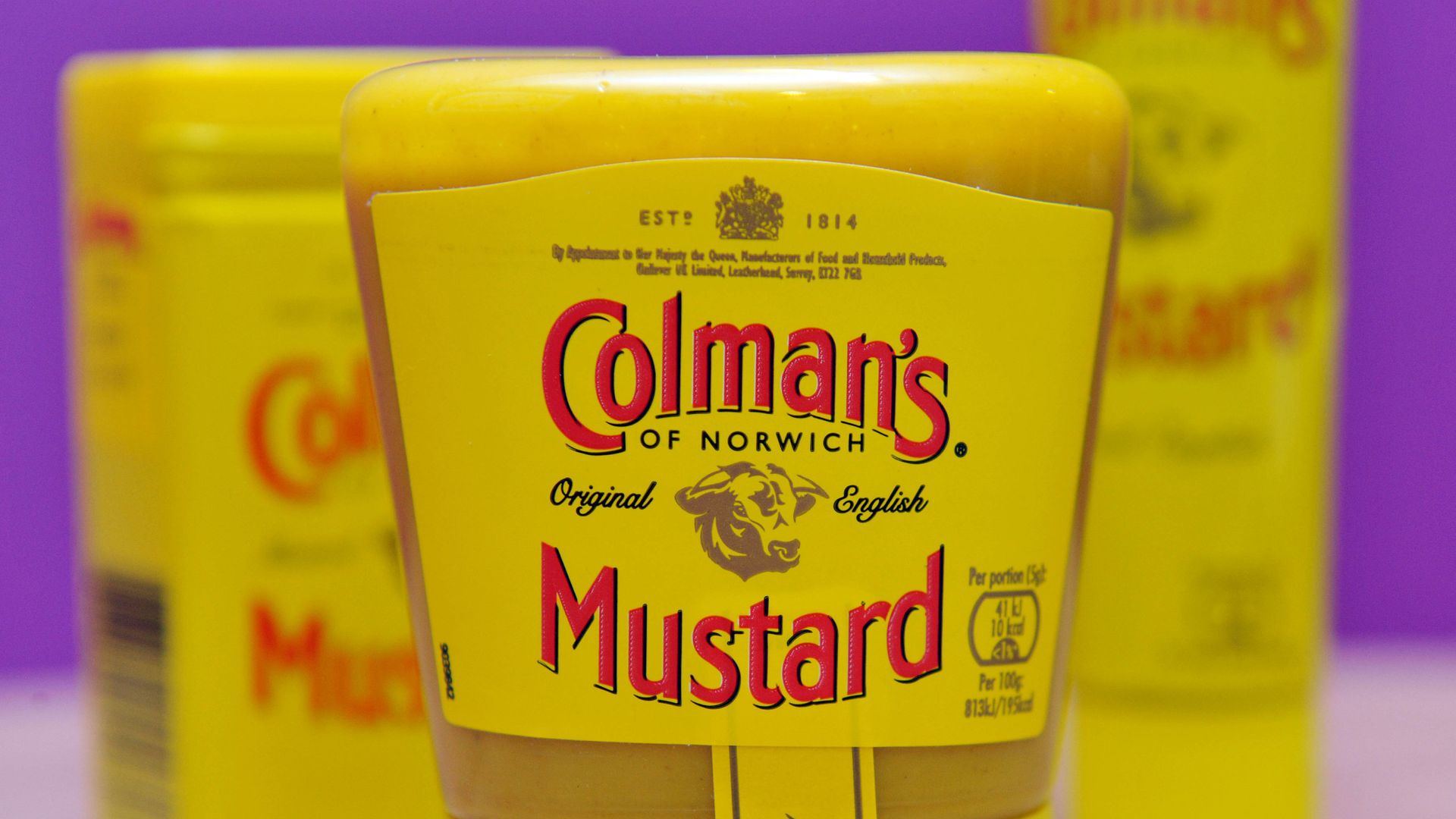
The Legacy of Colman’s: A British Culinary Staple
Founded more than 200 years ago, Colman’s has become synonymous with traditional English mustard. Its distinctive sharp and spicy flavor has graced British tables for generations, establishing the brand as a cultural fixture and a symbol of British gastronomy. The company’s roots stretch back to the early 19th century when Jeremiah Colman began grinding mustard seeds in Norfolk, England.
Over the centuries, Colman’s evolved from a small family business into a household name, with its iconic yellow packaging and bull’s head logo instantly recognizable across the UK and beyond. Its products have not only been a kitchen essential but also a source of national pride, embodying the enduring appeal of British culinary craftsmanship.
Unilever’s Strategic Shift: Why the Sale Matters
Unilever, a global conglomerate known for its diverse portfolio of consumer goods, announced a transformative decision to divest its global food operations. The $15.7 billion deal aims to sharpen the company’s focus on high-growth segments such as beauty, personal care, and health products, while exiting the more competitive and lower-margin packaged foods market.
This move reflects a broader industry trend where multinational corporations streamline their portfolios to maximize shareholder value amid shifting consumer preferences. For Unilever, offloading brands like Colman’s aligns with a strategic pivot to concentrate on faster-growing categories and emerging markets.
The sale of Colman’s and other food brands opens opportunities for new ownership that may invest in innovation and expansion. Potential buyers could include private equity firms or food conglomerates eager to capitalize on the heritage and loyal customer base that Colman’s commands.
What This Means for Colman’s and Consumers
For Colman’s, this transition could herald a new chapter marked by increased investment and revitalization. While the brand’s heritage and traditional recipes remain its cornerstone, new ownership might explore product innovation, market expansion, and digital engagement to appeal to modern consumers.
Consumers may witness an enhanced range of mustard products or complementary condiments that build on Colman’s historic identity while adapting to contemporary tastes and dietary trends. Furthermore, the sale could stimulate renewed marketing efforts to strengthen the brand’s position in an increasingly competitive global food marketplace.
However, uncertainty accompanies any major corporate divestment. Stakeholders—including employees, suppliers, and loyal customers—will watch closely to see how the brand’s legacy is preserved and evolved under new stewardship.
Looking Ahead: The Future of a Mustard Icon
The sale of Colman’s forms part of a broader reshaping of the food industry landscape, where heritage brands must balance tradition with innovation to thrive. As Unilever exits the packaged food arena, the fate of its storied British mustard brand will depend on the vision and resources of its next custodian.
For now, Colman’s remains a testament to British culinary heritage, standing at the crossroads of history and future potential. The forthcoming ownership change offers a unique opportunity to reinvigorate a classic brand and ensure it continues to spread its distinctive flavor for centuries to come.
Full details of Colman’s sale and the identity of its future owners have not yet been disclosed, but the transaction promises to reshape the mustard landscape and influence the broader packaged foods sector.