The **United Arab Emirates (UAE)** has officially announced its departure from the **Organisation of Petroleum Exporting Countries (OPEC)**, ending nearly 60 years of membership in the influential oil cartel. This unexpected move marks a significant shift in the dynamics of global oil production and pricing, with far-reaching implications for both the energy sector and consumers worldwide.

Why the UAE Left OPEC
OPEC, primarily composed of Gulf oil producers, has historically coordinated oil production levels among member countries to influence global oil prices. The UAE’s decision to quit the organization signals a strategic pivot in its energy policy and international relations.

Although official statements from the UAE have been succinct, analysts suggest that the departure stems from a desire to assert greater independence over its oil production decisions. The UAE has been steadily expanding its oil output capacity and investing heavily in energy infrastructure, including renewable energy projects, to diversify its economy beyond hydrocarbons. Leaving OPEC allows the UAE to set production targets that align more precisely with its national interests rather than adhering to collective agreements.

This move also reflects broader regional and geopolitical factors, including evolving alliances and competition within the Gulf Cooperation Council (GCC) and the global energy market. The UAE’s exit may be a strategic attempt to recalibrate its position amid shifting oil demand patterns and emerging energy technologies.

Impact on OPEC and Global Oil Prices
The UAE’s exit delivers a significant blow to OPEC, removing one of its key producers and altering the balance of power within the cartel. As one of the world’s top oil exporters, the UAE’s production decisions carry substantial weight in the global market.

OPEC’s ability to manage oil supply and stabilize prices depends heavily on member cooperation. Losing the UAE could weaken the group’s influence and complicate efforts to control output, especially as other members, notably Saudi Arabia, seek to maintain market stability.
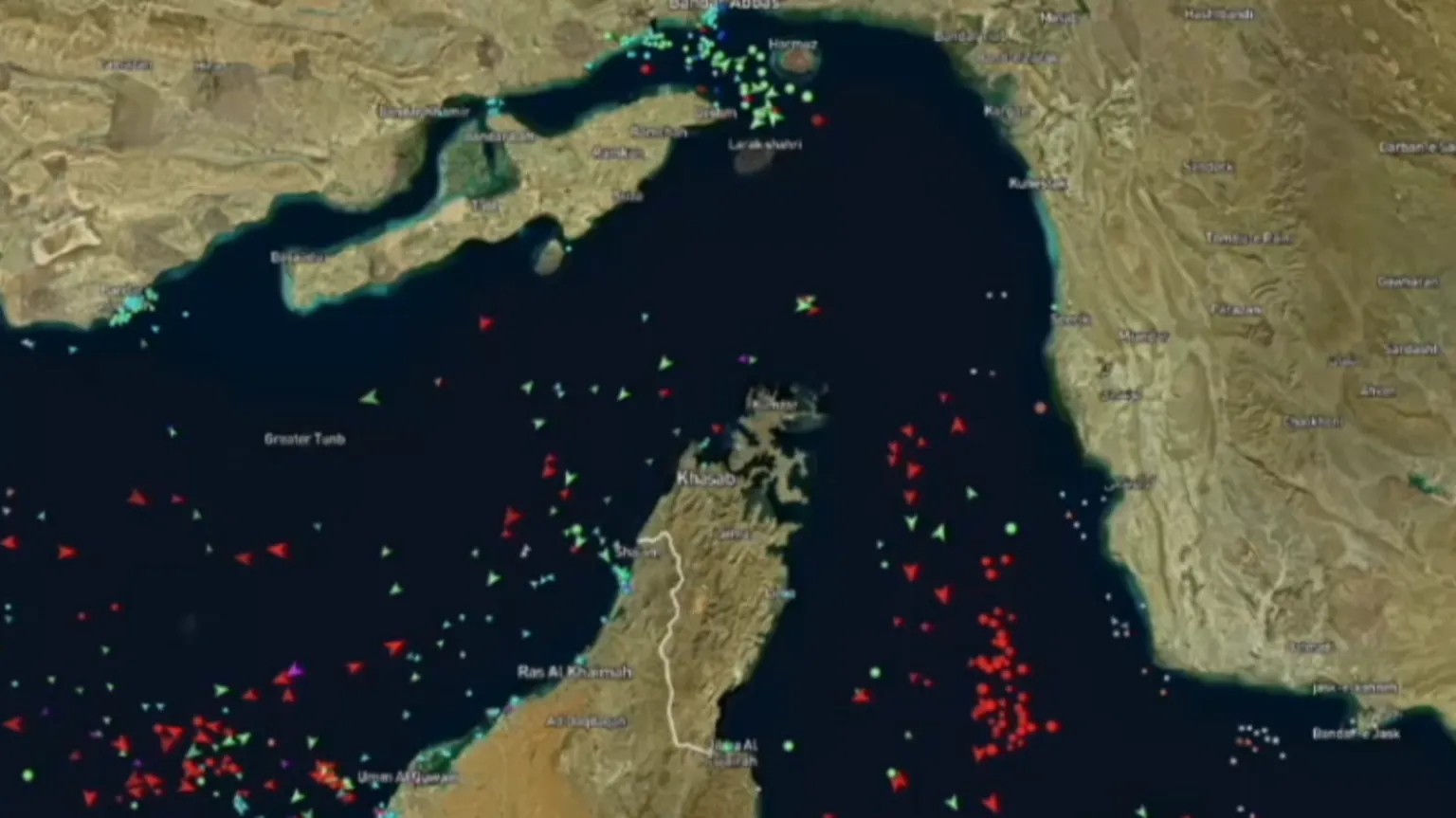
For consumers, the UAE’s departure might translate into more volatile oil prices. If the UAE chooses to ramp up production independently, increased supply could temporarily lower prices. Conversely, if tensions arise between OPEC members, production cuts or disagreements could drive prices higher, impacting everything from gasoline costs to heating bills worldwide.

Energy markets are already navigating uncertainty amid fluctuating global demand, geopolitical tensions, and the ongoing transition to renewable energy sources. The UAE’s move adds another layer of complexity, making it harder for analysts and investors to predict future oil price trends accurately.

Why This Matters: Broader Economic and Geopolitical Consequences
The UAE’s departure from OPEC is not just an energy story; it carries significant economic and geopolitical weight. For the UAE, controlling production independently enhances its sovereignty over one of its most valuable resources, allowing it to tailor energy policies to its economic diversification ambitions.
Regionally, the move could shift alliances and power dynamics within the Middle East. OPEC has long been a platform for cooperation among Gulf states, and the UAE’s exit might encourage other members to reconsider their positions or strategies.

Globally, countries dependent on oil imports should monitor how this development influences energy security and price stability. With the ongoing global push toward renewable energy, the UAE’s strategic recalibration could also accelerate investments in alternative energy technologies, influencing the future energy landscape.

Moreover, this change arrives at a critical time, as the world grapples with inflationary pressures and economic recovery post-pandemic. Energy costs remain a key driver of inflation, so any disruption in oil markets can ripple through economies, affecting everything from transportation to manufacturing costs.


Looking Ahead
The UAE’s exit from OPEC opens a new chapter in global oil politics. Observers will closely watch how the UAE manages its oil production independently and how OPEC responds to this challenge. The situation underscores the evolving nature of the global energy market, where traditional alliances are being tested by national ambitions and the urgency of energy transition.

For consumers and businesses, understanding these shifts is crucial as they influence fuel prices and broader economic conditions. While full details about the UAE’s future oil strategy remain forthcoming, this landmark decision clearly signals a more fragmented and competitive oil market ahead.

Ultimately, the UAE’s departure from OPEC highlights the growing complexity of global energy governance amid a rapidly changing economic and geopolitical environment.