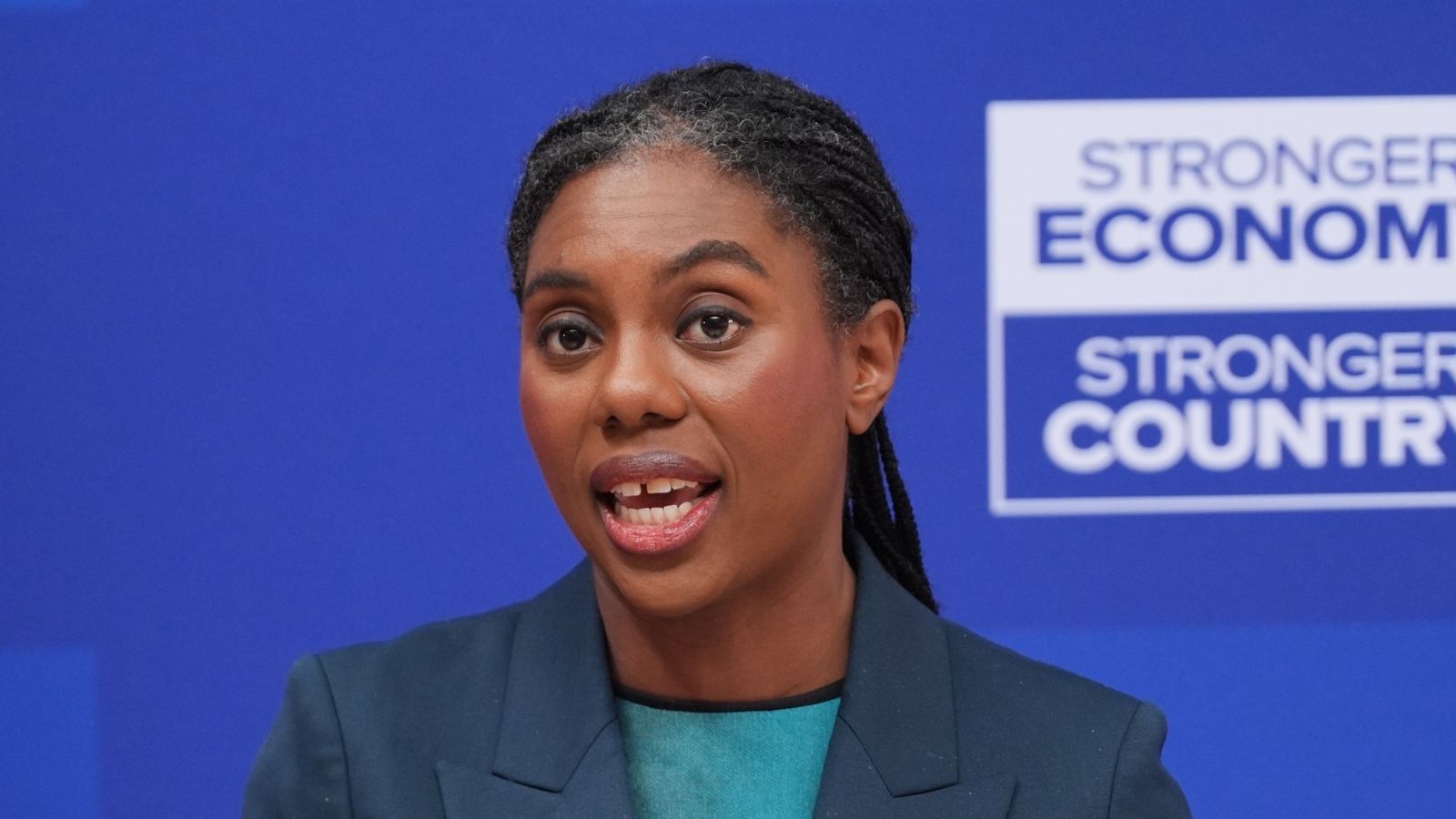
Argentina’s ongoing threats over the Falkland Islands highlight its vulnerability and weakness, according to British Cabinet Minister Kemi Badenoch. Her sharp remarks come amid renewed tensions between the two nations over sovereignty claims in the South Atlantic, a dispute that has simmered for decades following the 1982 conflict.
What Led to Badenoch’s Comments on Argentina?
The Falkland Islands, a British Overseas Territory, have long been at the center of a sovereignty dispute between the United Kingdom and Argentina. The Argentine government continues to assert its claim over the islands—known as the Islas Malvinas in Argentina—despite the islanders’ overwhelming desire to remain under British rule.
In recent months, Argentina has intensified its rhetoric, including threats to escalate diplomatic and economic pressure to reclaim the islands. This has included calls for international support and increased naval presence near the contested waters.
Against this backdrop, Kemi Badenoch, a senior British government official known for her firm stance on foreign policy, publicly criticized Argentina’s position. She described Argentina as a “weak country” for resorting to threats over the Falklands rather than pursuing constructive dialogue.
Why Badenoch Believes Argentina’s Approach Reveals Weakness
Badenoch’s comments reflect a broader UK government perspective that Argentina’s aggressive posture undermines its credibility on the global stage. She argues that resorting to threats rather than respecting the democratic will of the Falkland Islanders demonstrates desperation rather than strength.
The Falkland Islands hold strategic and symbolic importance. They not only serve as a home to a self-governing population but also possess valuable maritime resources, including rich fishing grounds and potential oil reserves. Despite this, the UK remains committed to protecting the islanders’ right to self-determination, a principle enshrined in international law.
By framing Argentina’s threats as a sign of weakness, Badenoch seeks to reinforce the UK’s unwavering support for the islands and its residents. She implies that genuine strength lies in respecting international norms and engaging in peaceful negotiations rather than intimidation.
The Broader Implications for UK-Argentina Relations
Relations between the UK and Argentina have long been strained due to the Falklands dispute. The 1982 war left deep scars, and although both countries maintain diplomatic links, tensions periodically flare.
Recent escalations in rhetoric risk destabilizing the fragile diplomatic balance. Badenoch’s comments, while assertive, underscore the UK’s readiness to defend the Falklands firmly. This stance may harden Argentina’s position, but it also signals to the international community that the UK will not tolerate coercion over the islands.
The UK government continues to advocate for dialogue based on mutual respect and self-determination. However, Argentina’s persistent threats complicate prospects for peaceful resolution and risk alienating potential allies who might otherwise sympathize with its claims.
What This Means Going Forward
The dispute over the Falkland Islands remains one of the most enduring sovereignty conflicts in modern geopolitics. Badenoch’s labeling of Argentina as “weak” for its threats encapsulates the UK’s frustration with what it sees as unproductive posturing.
For the Falkland Islanders, the UK’s firm stance reassures their autonomy and security amid ongoing uncertainty. For Argentina, it serves as a reminder that aggressive rhetoric alone will not shift control of the islands.
Moving forward, the challenge lies in balancing assertiveness with diplomacy. While the UK is prepared to defend the Falklands at all costs, sustainable peace will require constructive engagement that respects the islanders’ wishes and addresses Argentina’s concerns without resorting to intimidation.
Ultimately, Badenoch’s comments reflect a critical moment in the UK-Argentina relationship: a call for strength founded on respect, democracy, and peaceful dialogue, rather than threats and coercion.