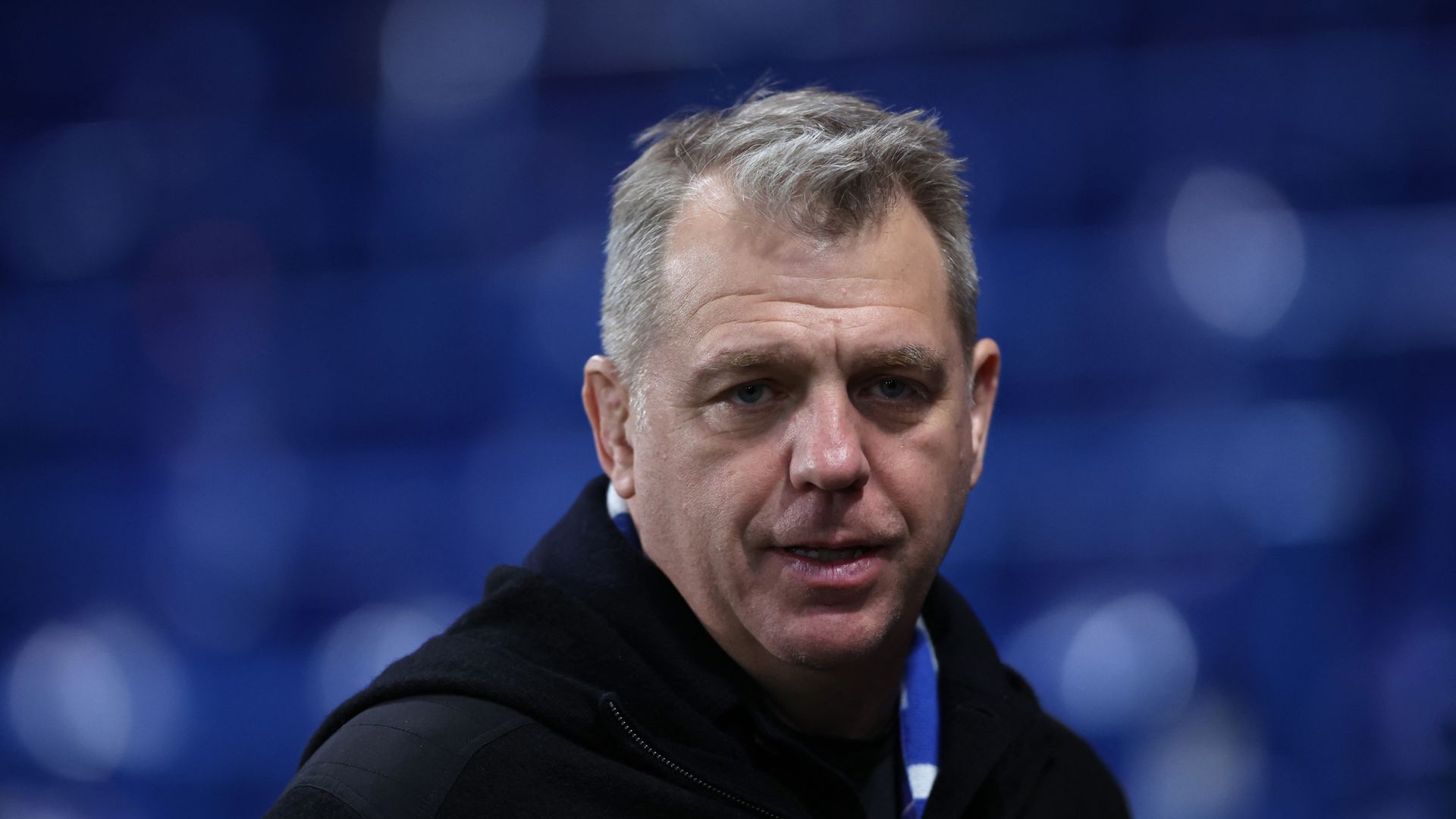
Joey Barton, the former professional footballer known for his controversial career on and off the pitch, will stay in custody as he awaits his upcoming assault trial next year. A recent bail request submitted on his behalf was officially rejected, ensuring Barton remains behind bars until the court proceedings commence.

What Happened: Bail Refused for Joey Barton
Barton, whose football career spanned several English clubs including Manchester City and Newcastle United, has found himself embroiled in legal troubles that have extended beyond his playing days. The assault charges, which have yet to be fully detailed in public court documents, have led to a highly anticipated trial scheduled for next year.
During a recent hearing, the defense sought bail, hoping Barton could be released while awaiting trial. However, the court decided against this, citing concerns that were not publicly specified but commonly include risks such as flight, witness interference, or public safety. As a result, Barton will remain in custody, emphasizing the seriousness of the allegations he faces.
Background: Joey Barton’s Turbulent Career and Legal Issues
Joey Barton’s football career was marked by both impressive talent and frequent disciplinary issues. Known for his combative playing style and outspoken personality, Barton often made headlines for on-field incidents and off-field controversies. Following his retirement from professional football, he transitioned into coaching and punditry, but legal troubles have overshadowed his post-playing life.
While details about the specific assault charges remain limited, Barton’s history includes previous legal encounters and disciplinary actions. His complex public image combines sporting achievement with a pattern of confrontations, making his current legal situation a focal point for media and fans alike.
Why This Matters: The Impact on Barton’s Future and Public Perception
The denial of bail and the decision to keep Barton in custody ahead of his trial has significant implications. Firstly, it underscores the gravity with which the judicial system is treating the assault allegations. For Barton, this means a prolonged period of detention that could affect his personal life and professional ambitions, particularly in football coaching or media roles.
Moreover, the case contributes to broader discussions about accountability for public figures and athletes who face criminal charges. It highlights the challenges in balancing legal processes with public and media scrutiny, especially for a figure as polarizing as Barton.
For fans and observers, the trial next year will be a pivotal moment in assessing Barton’s legacy beyond football. It may also influence how sports communities address player conduct and legal responsibilities off the field.
What Comes Next: The Road to Trial and Possible Outcomes
With the bail refusal confirmed, attention now turns to the trial scheduled for next year. As the legal process unfolds, further details about the assault allegations are expected to emerge, providing clearer insight into the case against Barton.
Legal experts suggest that the refusal of bail often indicates strong evidence or significant concerns from the prosecution’s perspective, though Barton’s defense team will undoubtedly challenge these points in court. The trial’s outcome will carry weighty consequences for Barton, potentially affecting his freedom and future opportunities.
While waiting for the trial, Barton remains in custody, a status that may influence his defense strategy and public narrative. The case will likely continue to attract media attention, given his high-profile status and the nature of the charges.
Takeaway: A High-Profile Case That Holds Wider Significance
Joey Barton’s continued detention ahead of his assault trial illustrates the serious approach the justice system is taking toward allegations involving prominent figures. For Barton, this is a critical juncture that may redefine his post-football life.
Beyond the individual, the case serves as a reminder of the scrutiny athletes and former athletes face when accused of criminal behavior. It underscores the importance of legal accountability and the challenges inherent in managing public perception during high-profile trials.
As the trial date approaches, all eyes will remain fixed on the developments in Barton’s case, which could have lasting repercussions for him and for how similar cases are handled in the sports world.