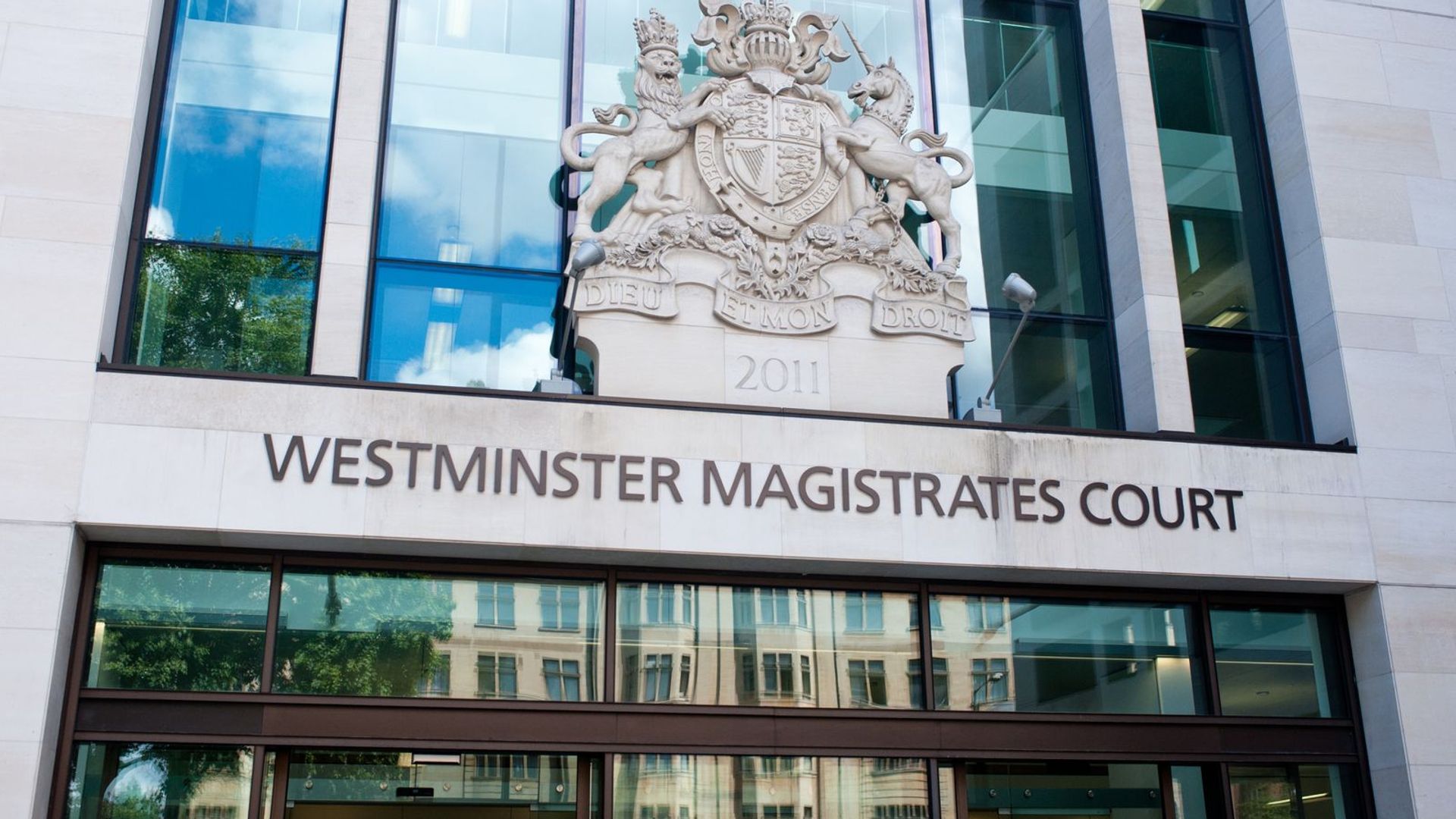
A British national allegedly prepared to sabotage a drone manufacturing facility in the United Kingdom on behalf of Russian interests, according to evidence presented in court. The incident has raised serious concerns about national security and the vulnerability of critical defense infrastructure amid ongoing geopolitical tensions.
Details of the Alleged Sabotage Plot
The court heard that the accused individual was actively planning to disrupt operations at a UK drone factory, a facility integral to the country’s defense capabilities. Drones have become increasingly vital in modern warfare, providing surveillance, reconnaissance, and offensive capabilities. Sabotaging such a facility could significantly undermine the effectiveness of the UK’s military technology supply chain.
While the identity of the drone factory remains confidential due to security reasons, the case highlights the heightened risk of espionage and sabotage targeting key defense manufacturers. The accused reportedly communicated with agents believed to be linked to Russian intelligence, indicating a direct attempt to assist a foreign power hostile to the UK’s interests.
Why This Case Matters for UK National Security
This alleged plot underscores the ongoing threats posed by foreign intelligence operations within the UK. Russia’s history of espionage and interference in Western countries is well documented, ranging from cyberattacks to covert operations aimed at destabilizing governments and compromising defense assets.
The UK government has invested heavily in counterintelligence and security measures to protect critical infrastructure, particularly in the defense sector. However, this case reveals that vulnerabilities still exist, and insider threats or recruited nationals can pose significant risks. Protecting drone factories and other defense manufacturers is crucial, as these sites produce technology central to the UK’s military readiness and global security commitments.
What Comes Next: Legal and Security Implications
The accused faces serious charges that could lead to significant penalties, including imprisonment. The court proceedings will explore the extent of the plot, the accused’s connections to foreign agents, and potential breaches of national security laws. Authorities are also likely to investigate any accomplices or wider networks involved in the scheme.
On a broader scale, this case will prompt defense companies and government agencies to review and reinforce their security protocols. It sends a stark warning about the persistent threat of espionage targeting advanced military technologies. The UK’s ability to safeguard its defense manufacturing base will be critical in maintaining strategic advantages and ensuring national defense integrity.
Furthermore, this incident may influence diplomatic relations between the UK and Russia, adding to existing tensions amid ongoing conflicts and geopolitical rivalries.
Looking Ahead: Strengthening Defense Against Espionage
As drone technology continues to evolve and play a pivotal role in defense strategies worldwide, protecting the factories and supply chains that produce these assets becomes paramount. This case serves as a reminder that vigilance against espionage and sabotage must remain a top priority for national security agencies.
Enhancing surveillance, employee vetting, and intelligence-sharing among allied countries will be essential steps in preventing similar threats. The UK government’s response to this incident will likely shape future policies aimed at defending critical infrastructure against covert attacks.
In conclusion, the alleged attempt to sabotage a UK drone factory on behalf of Russia represents a serious breach of national security with potentially far-reaching consequences. The ongoing court case will shed light on the full scope of the threat while reinforcing the urgent need for robust protections in the defense manufacturing sector.