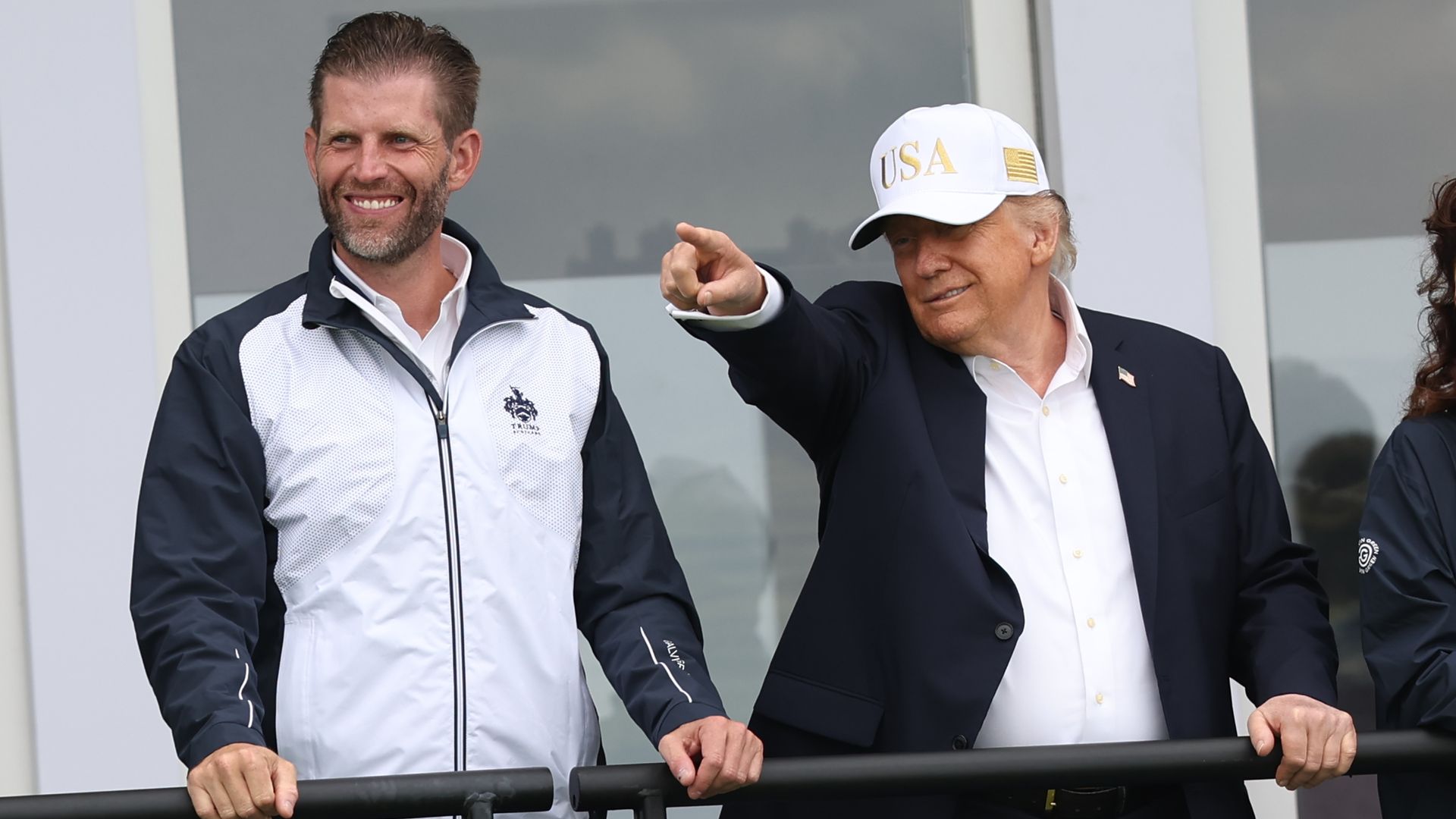
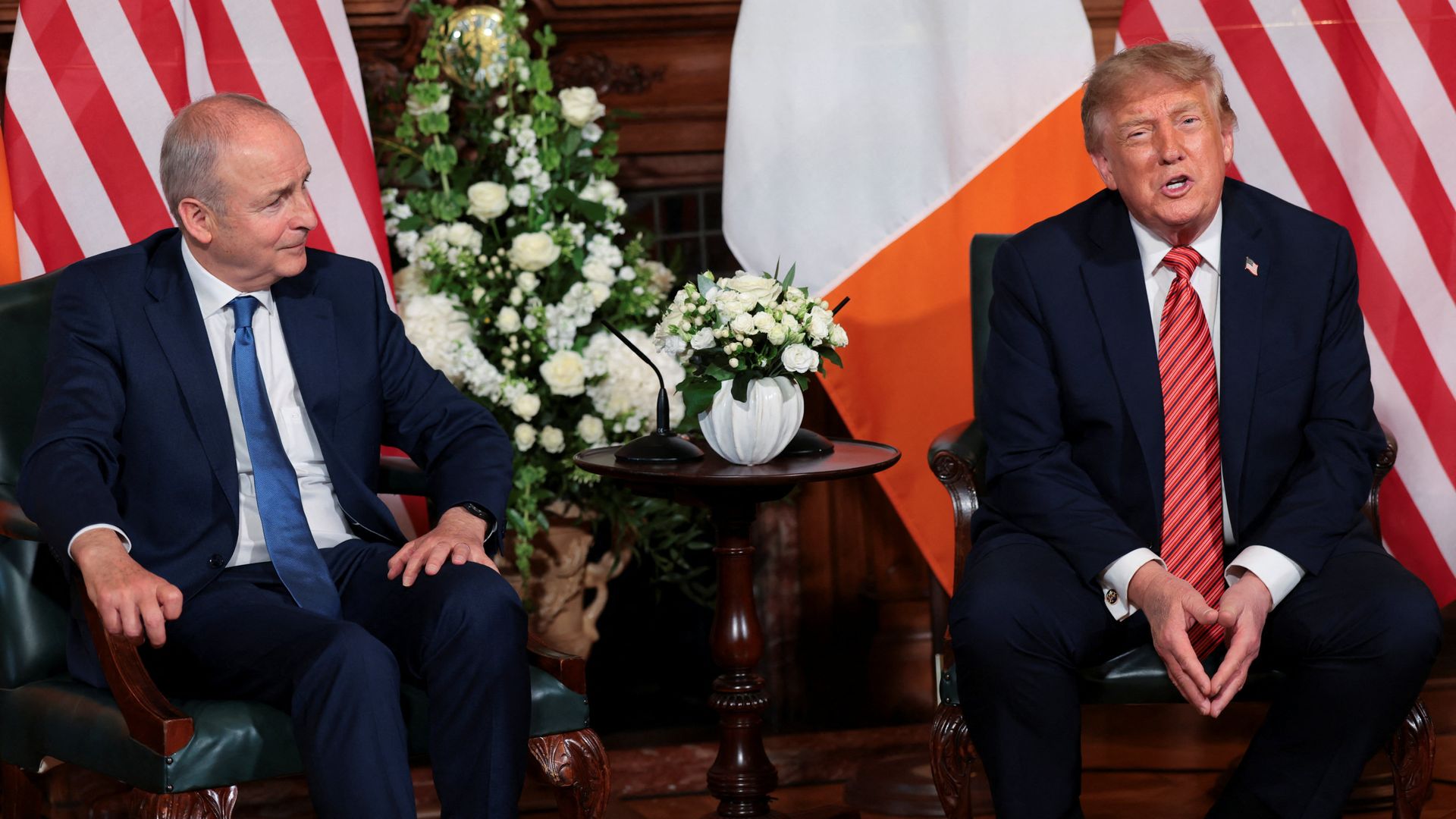
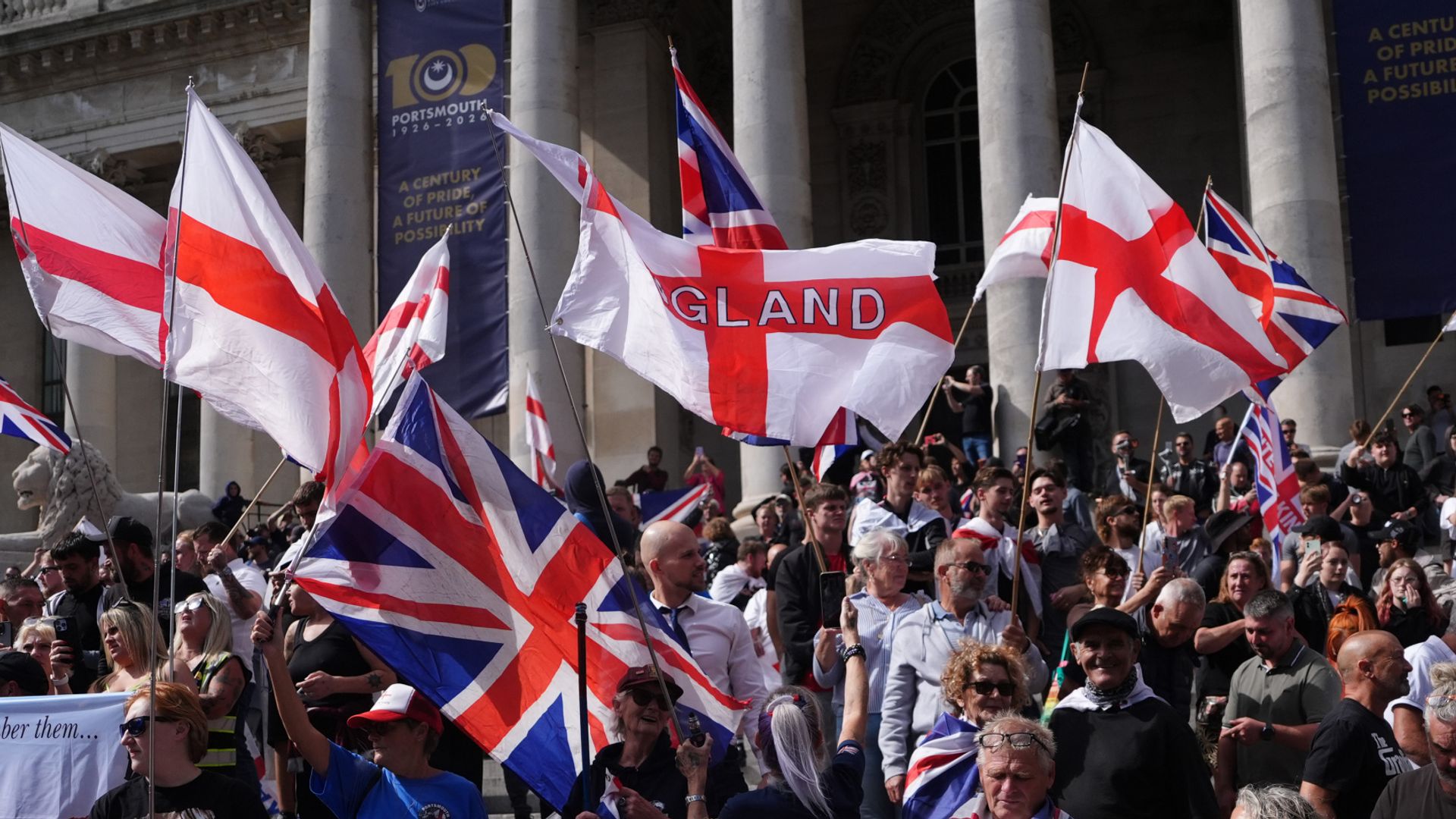
Former U.S. President Donald Trump has reignited discussions around Irish reunification by publicly endorsing the idea of bringing Northern Ireland and the Republic of Ireland together. Speaking for the third time this weekend, Trump described the prospect of uniting the two regions as “natural,” signaling renewed attention on this long-standing and complex political issue.
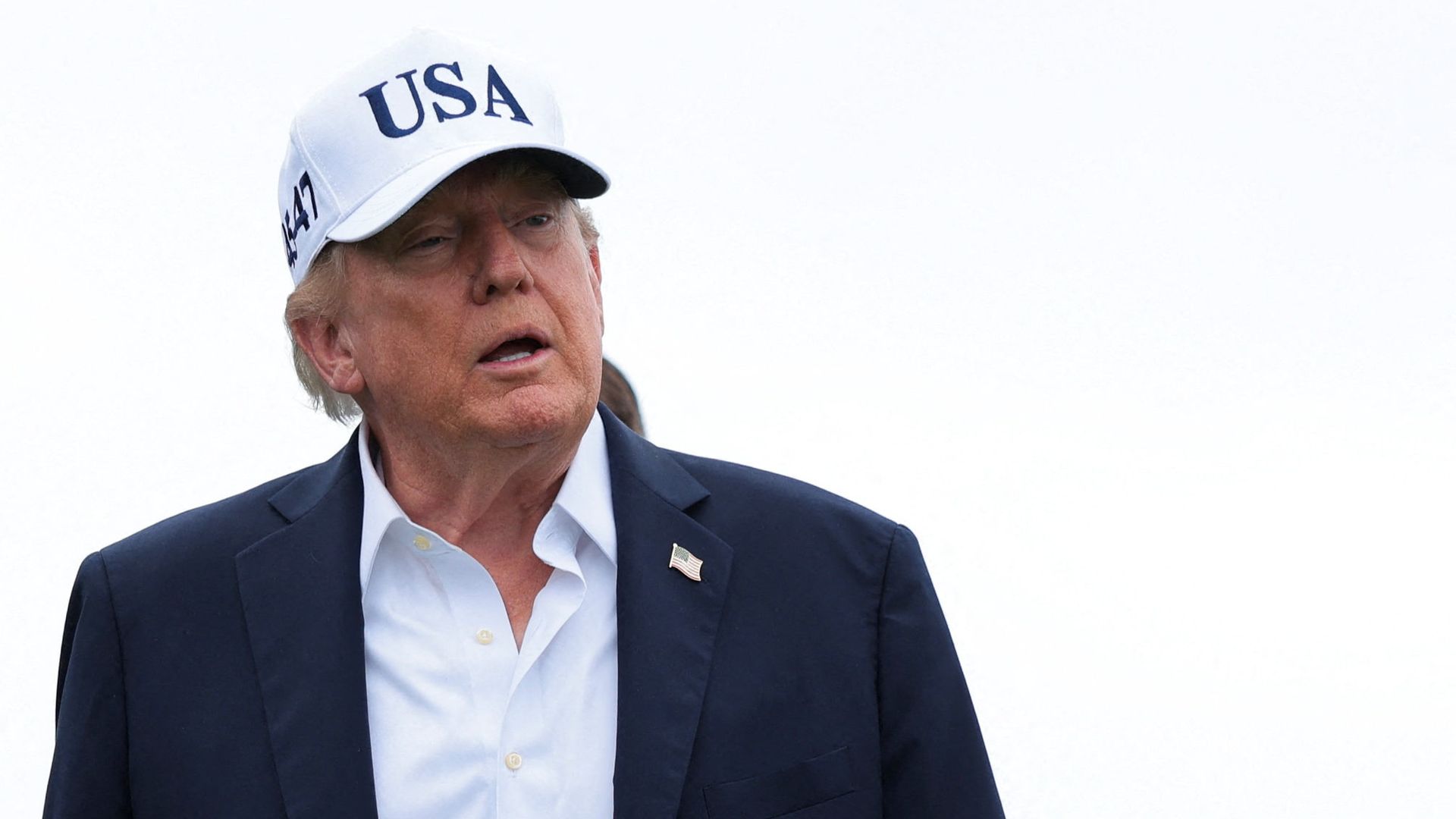
What Happened: Trump’s Renewed Support for Irish Reunification
Donald Trump’s comments this weekend marked the third occasion in a short span where he has addressed the topic of Irish reunification. He emphasized that merging Northern Ireland with the Republic of Ireland “makes sense” and called it a natural progression. Although Trump did not outline any specific plans or policy proposals, his statements have fueled fresh debate over the future of Northern Ireland’s political status—an issue that has long been a focal point of UK-Ireland relations.
Trump’s remarks come amid ongoing tensions surrounding Brexit’s impact on the Irish border and the delicate peace established by the 1998 Good Friday Agreement. The agreement, which helped end decades of conflict known as The Troubles, relies heavily on maintaining an open border between the north and south. However, Brexit introduced new challenges, particularly concerning trade and customs arrangements, reigniting discussions about whether reunification is a viable path forward.
Why Irish Reunification Matters: Historical and Political Context
The question of reunifying Ireland has deep historical roots. Since the partition of the island in 1921, Northern Ireland has remained part of the United Kingdom, while the Republic of Ireland has been an independent nation. This division has been a source of political, religious, and social tension for over a century.
In recent years, demographic shifts and political changes have intensified debates about reunification. The Brexit referendum in 2016, where Northern Ireland voted to remain in the EU while the UK overall voted to leave, complicated matters further. Many in Northern Ireland fear that Brexit could disrupt the fragile peace and economic stability.
Trump’s endorsement taps into these complexities. His characterization of reunification as “natural” echoes sentiments held by some Irish nationalists who argue that shared cultural and historical ties justify unification. Conversely, unionists in Northern Ireland, who identify strongly with the UK, oppose such moves, emphasizing the importance of maintaining the current political arrangement.
What This Means Going Forward: The Impact of Trump’s Statements
While Donald Trump no longer holds political office, his influence and outspoken views continue to impact international conversations. His support for Irish reunification adds an unexpected voice to a topic usually dominated by British and Irish politicians, EU representatives, and local Northern Irish leaders.
Trump’s comments could encourage renewed dialogue among stakeholders on both sides of the Irish border. However, any progress toward reunification would require extensive political negotiation, public referenda, and careful management of economic and social consequences.
Moreover, the U.S. government has historically played a supportive role in maintaining peace in Northern Ireland. Trump’s remarks may signal a potential shift in American perspectives on the issue, which could influence diplomatic approaches in the future.
Looking Ahead: The Future of Irish Reunification Debates
The prospect of Irish reunification remains a deeply complex and sensitive subject. Donald Trump’s recent statements serve as a reminder that the issue is far from settled and continues to provoke strong opinions worldwide.
As political leaders and communities on both sides grapple with the post-Brexit realities, ideas about reunification will likely remain central to discussions about Northern Ireland’s future. Trump’s framing of reunification as “natural” may resonate with some, but it also underscores the need for careful, inclusive dialogue that respects the diverse identities and aspirations of people in Northern Ireland.
Ultimately, the path toward any potential reunification will require balancing historical grievances, economic considerations, and political realities. Trump’s comments have thrust this debate back into the spotlight, reminding the world that the fate of the Irish border remains a pivotal question in European and transatlantic politics.