A man charged with criminal damage after defacing the iconic statue of Sir Winston Churchill in London’s Parliament Square has been found not guilty. This verdict has sparked discussions around the complexities of protest, public monuments, and the law.
The Incident: Vandalism at Parliament Square
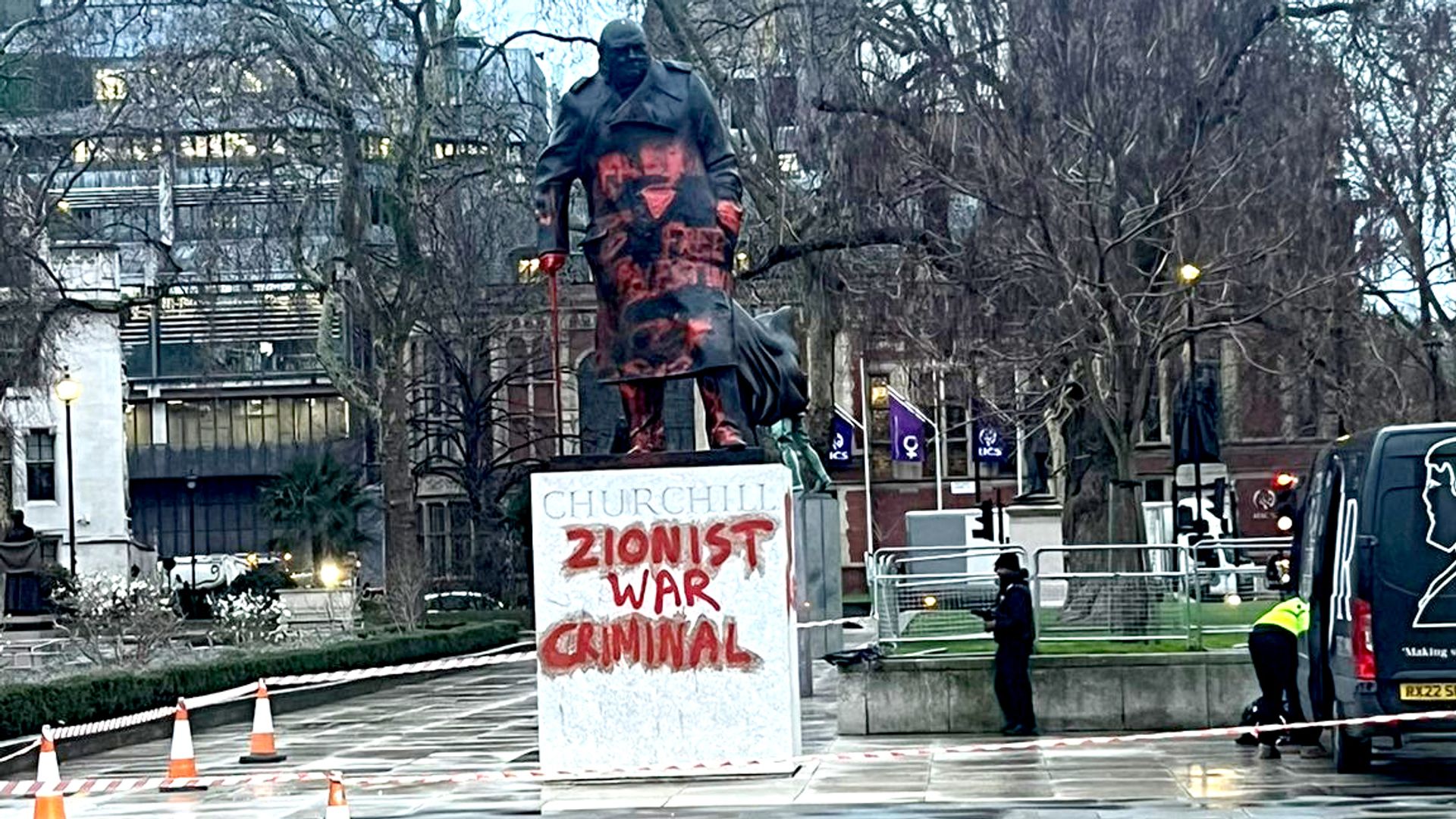
The defendant was accused of intentionally damaging the bronze statue of Sir Winston Churchill, a towering figure in British history renowned for his leadership during World War II. The statue, prominently positioned in Parliament Square, is a symbol of national pride and historical significance. Vandalism of such public monuments often triggers swift legal action due to their cultural value.
Details of the incident reveal that the man applied paint to the statue, an act seen as defacement by authorities. The location—adjacent to the Houses of Parliament—adds to the gravity of the case, given the statue’s symbolic proximity to the seat of British democracy.
Legal Proceedings and the Not Guilty Verdict
During the trial, the defense argued that the act did not constitute criminal damage under the law. The court scrutinised whether the damage was permanent or if the paint could be removed without lasting harm. The key legal question centred on whether the defendant’s actions caused actual damage or simply temporary dirtiness.
In reaching its verdict, the court concluded that the paint could be cleaned off without permanent damage to the statue’s material or structural integrity. Therefore, the defendant was acquitted of criminal damage charges. This ruling highlights the nuanced interpretation of property damage laws when applied to protest actions involving public art.
Why This Verdict Matters
The acquittal has broader implications beyond the immediate case. It raises important questions about how the justice system balances protecting public property and respecting freedom of expression, particularly in the context of political protest. Activists often use public monuments as canvases to draw attention to social and political issues, and this decision may influence how such cases are handled in the future.
Moreover, the case underscores the symbolic power of statues like Churchill’s. While many view these monuments as untouchable embodiments of national heritage, others see them as representations of complex, sometimes controversial histories. The verdict reflects a legal recognition that protest actions, even if disruptive, can occupy a grey area in terms of criminality.
Parliament Square itself is a historic site where numerous protests and demonstrations have taken place over the years, making this case part of a larger narrative about public space, memory, and civic engagement in the UK.
What Comes Next?
Although the man has been found not guilty, the debate around the protection of statues and the legality of protest actions continues. Authorities may look to clarify or strengthen laws relating to vandalism and public demonstrations to prevent similar incidents in the future. Meanwhile, activists and legal experts will be watching closely to see how this precedent affects future cases.
For the public, the case serves as a reminder that monuments are not just inert objects; they are focal points for dialogue about history, identity, and justice. How society chooses to engage with these symbols will shape the cultural landscape for years to come.
In summary, the not guilty verdict in this high-profile case reveals the delicate balance between safeguarding historic landmarks and upholding democratic freedoms. It invites ongoing reflection on the evolving role of public monuments in contemporary society.