British intelligence agencies have uncovered a widespread and sophisticated Iranian cyber espionage operation aimed at stealing sensitive personal data from dissidents and activists across the globe. This revelation highlights the increasing use of advanced spyware by state actors to monitor and suppress political opposition beyond their borders.
Unveiling the Iranian Spyware Campaign
Security experts in the United Kingdom have identified a coordinated cyberattack campaign orchestrated by Iranian operatives using spyware tools designed to infiltrate the digital devices of targeted individuals. The campaign involves deploying malicious software that covertly extracts private information, communications, and location data from smartphones, computers, and other electronic devices.
The targets of this espionage appear to be dissidents, human rights activists, journalists, and members of opposition groups who have fled Iran or are operating in exile. By compromising their devices, Iranian intelligence services can monitor their activities, track their movements, and potentially disrupt their efforts to advocate for democratic reforms or expose government abuses.
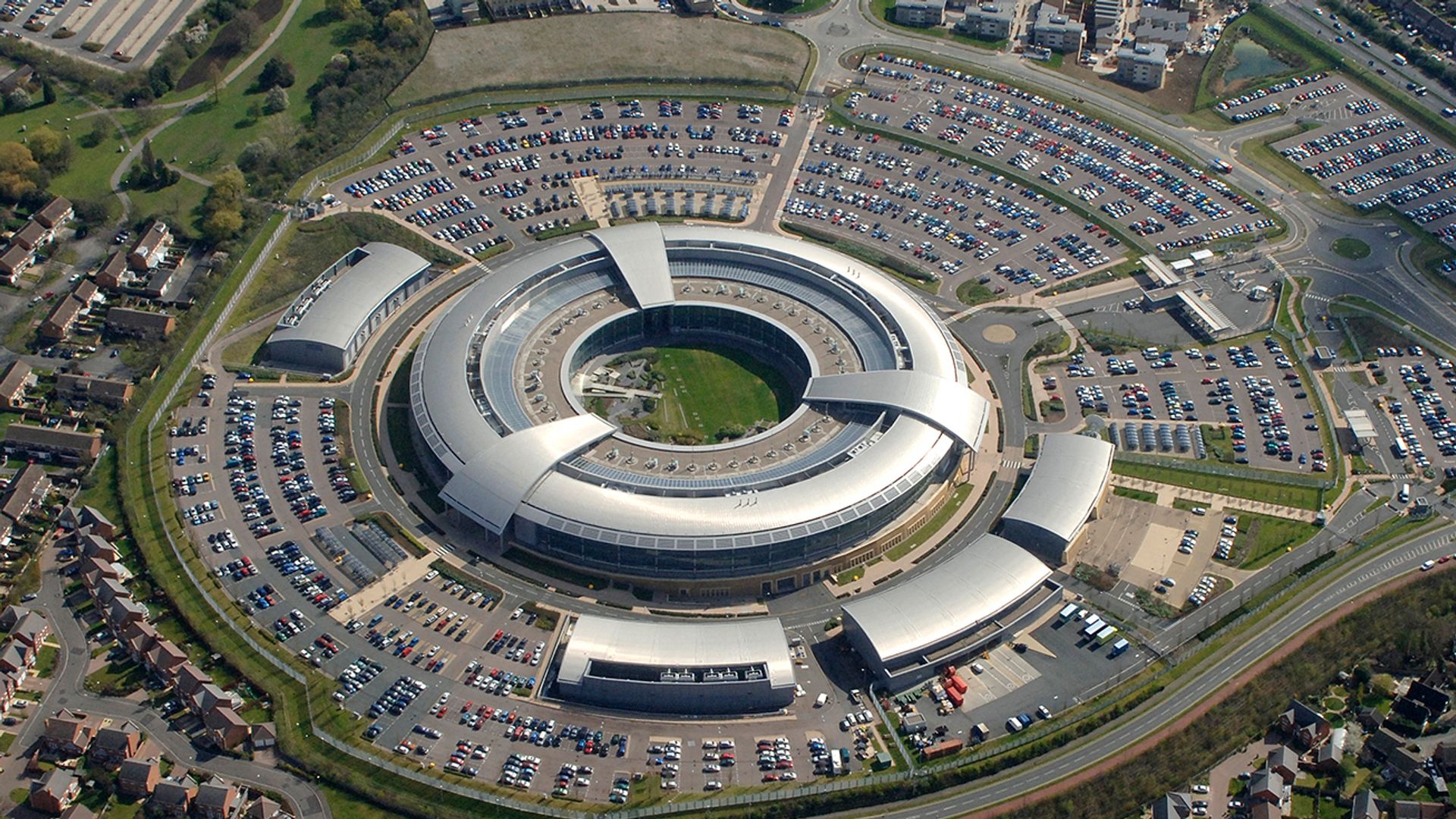
This campaign is part of a broader pattern of Iran using cyber operations to extend its influence and intimidate critics internationally. The spyware involved is believed to be highly advanced, capable of evading detection by conventional cybersecurity defenses and operating stealthily for prolonged periods.
Why This Cyber Threat Matters
The exposure of this Iranian spyware operation raises serious concerns about the security and privacy of dissidents worldwide, especially those residing in countries with limited protections against foreign cyber intrusions. Such campaigns not only threaten individual safety but also undermine freedom of expression and political activism on a global scale.
Cyber espionage targeting dissidents can lead to arrests, harassment, and even physical harm when sensitive information is shared with local authorities or used to orchestrate targeted attacks. The reach of these operations extends well beyond Iran’s borders, affecting diaspora communities and international human rights networks.
Moreover, the use of spyware by a state actor to silence dissenters exemplifies the growing weaponization of digital technologies in geopolitical conflicts. It highlights the urgent need for enhanced cybersecurity measures, international cooperation, and legal frameworks to protect vulnerable populations from such covert surveillance.
What Comes Next: Strengthening Defenses and Accountability
British intelligence agencies are reportedly working closely with international partners to disrupt this Iranian spyware campaign and bolster defenses for potential targets. Their findings serve as a crucial warning for governments, organizations, and individuals to remain vigilant against sophisticated cyber threats.
Efforts to counteract such espionage include developing advanced detection tools, educating at-risk communities about digital hygiene, and advocating for stronger policies that hold perpetrators accountable. Cybersecurity experts emphasize the importance of regularly updating software, employing encryption, and being cautious about suspicious links or downloads.
In addition to technical defenses, diplomatic pressure and sanctions may play a role in curbing state-sponsored cyberattacks. Transparency about these operations helps raise global awareness and encourages collaborative responses that uphold human rights and digital security.
Looking Ahead: Protecting Digital Freedoms Against Authoritarian Surveillance
The discovery of Iran’s global spyware campaign underscores the evolving nature of cyber threats targeting political dissidents. As authoritarian regimes increasingly exploit digital tools to surveil and suppress opposition, protecting the privacy and security of activists becomes paramount.
For those committed to defending democratic values and human rights, understanding the tactics employed by hostile actors is the first step toward resilience. British intelligence’s exposure of this campaign not only reveals the extent of Iran’s reach but also serves as a call to action to safeguard digital freedoms worldwide.
Staying informed, investing in robust cybersecurity infrastructure, and fostering international solidarity are essential strategies to counteract these intrusive operations. While the challenge is formidable, concerted efforts can help ensure that voices of dissent remain heard and protected in the digital age.