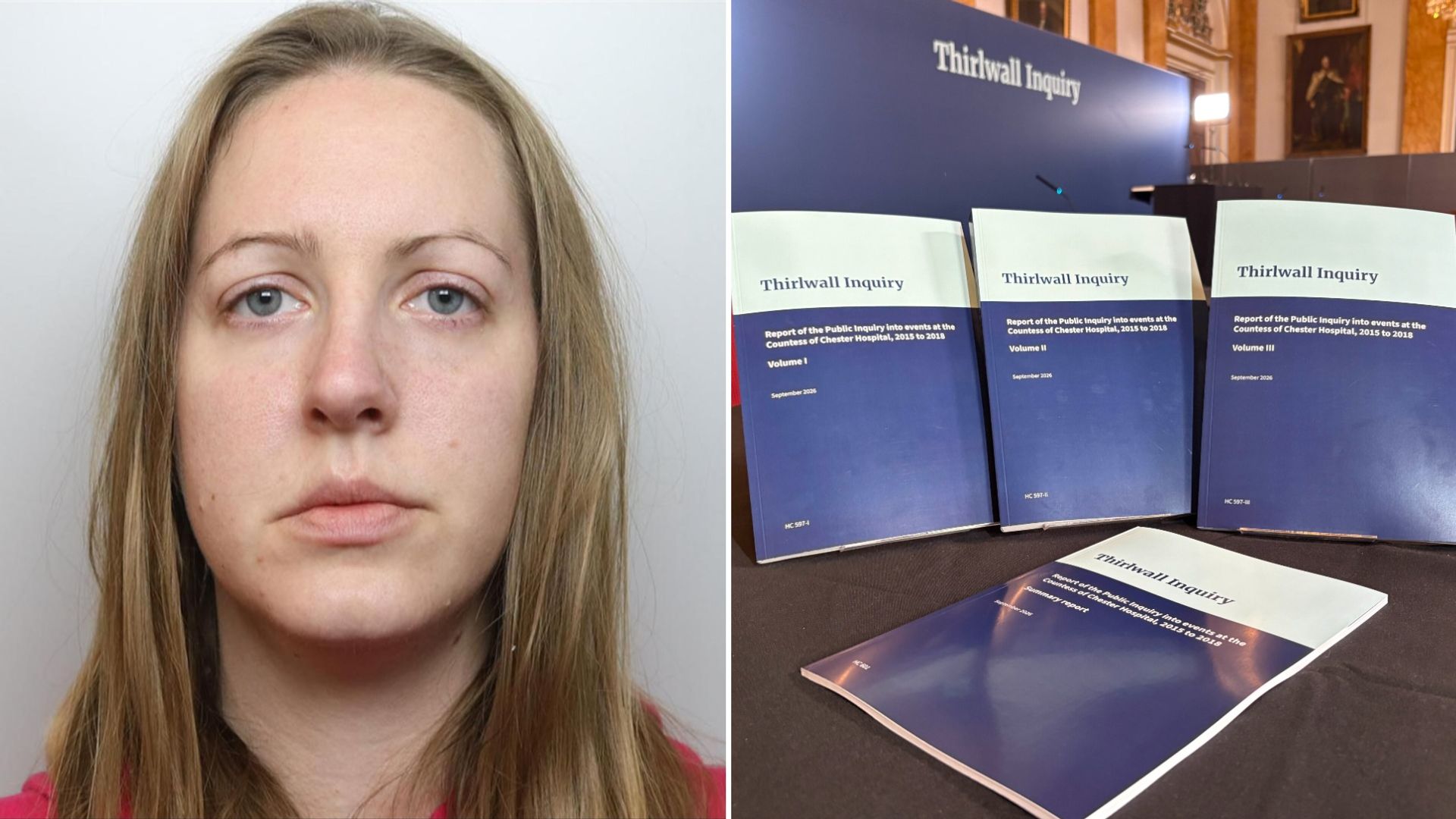
The harrowing case of Lucy Letby, one of Britain’s most notorious child serial killers, has taken a devastating turn as a recent inquiry revealed that some of her victims might have survived. This grim finding raises profound questions about hospital oversight, patient safety, and the urgent need for systemic reforms in neonatal care.
What the Inquiry Uncovered
The inquiry into the tragic deaths caused by Lucy Letby, a former neonatal nurse convicted of murdering multiple infants, has concluded that several babies who were killed could have been saved. This stark revelation shines a harsh light on missed warning signs and potential lapses in the hospital’s safeguarding procedures during Letby’s tenure.
Lucy Letby was employed in neonatal wards where she committed her crimes, leading to the deaths of multiple vulnerable newborns. The investigation found that the tragic outcomes were not solely the result of one individual’s actions but were compounded by systemic failures that allowed these events to unfold unchecked.
Experts involved in the inquiry highlighted that earlier intervention and better monitoring could have prevented some of the fatalities. The findings emphasize the critical importance of vigilance in neonatal units, where tiny patients require constant, expert care.
New Safety Measures: The Introduction of Cot Cameras
In response to the inquiry’s revelations, hospitals will now implement a crucial new safety measure to prevent future tragedies: the installation of cameras in neonatal cots. These cameras aim to provide continuous oversight of the babies’ wellbeing, allowing medical staff to detect any distress or unusual occurrences promptly.
This policy marks a significant shift in neonatal care protocols, prioritizing transparency and real-time monitoring. The cameras are expected to act both as a deterrent against potential harm and as a tool for early intervention when needed.
While the use of cot cameras introduces important safeguards, it also raises questions about privacy and the balance between surveillance and care in sensitive hospital environments. Nonetheless, medical professionals agree that protecting the lives of infants must take precedence.
Why This Matters: Protecting Our Most Vulnerable
The findings of the inquiry into Lucy Letby’s crimes carry weight far beyond the individual tragedy. They expose vulnerabilities within healthcare systems that must be addressed to prevent future loss of life in neonatal wards.
Newborns represent one of the most fragile patient groups, and their survival depends on meticulous care, thorough oversight, and rapid responses to any complications. When the system fails, as it did in this case, the consequences are catastrophic.
Implementing cot cameras is a proactive step, but it is only part of the solution. Hospitals must also enhance staff training, improve reporting mechanisms, and foster a culture where concerns can be raised and acted upon without delay.
Moreover, transparency and accountability in healthcare settings are essential to rebuild public trust after such a profound breach. Families affected by these crimes deserve assurance that every possible measure is in place to protect their children.
Looking Forward: Lessons and Reforms
The inquiry’s findings serve as a powerful call to action. Healthcare providers, regulators, and policymakers must learn from this tragedy to fortify neonatal care systems nationwide. The integration of technology like cot cameras, alongside cultural and procedural reforms, can help prevent future incidents.
As hospitals adopt these new safety protocols, continuous evaluation will be necessary to ensure effectiveness and address any emerging challenges. The ultimate goal remains clear: safeguarding the lives of newborns and providing peace of mind to their families.
Lucy Letby’s crimes devastated countless families and shocked the nation, but they have also sparked a vital reckoning within the healthcare community. By confronting uncomfortable truths and embracing rigorous change, the system can honor the memory of those lost and build a safer future for all infants.