Earl Spencer, brother of the late Princess Diana, has reinforced his startling revelations about the Royal Family’s response following the tragic car crash that claimed Diana’s life. In his forthcoming memoir, Spencer portrays a less-than-compassionate reaction from Queen Elizabeth II, describing her behavior as notably “tetchy” during the immediate aftermath of the catastrophe.
Unveiling the Royal Response to Diana’s Death
The death of Princess Diana in August 1997 sent shockwaves across the globe, prompting intense scrutiny of how the British monarchy coped with the crisis. Earl Spencer’s memoir provides an insider’s view, challenging the public narrative of a united and empathetic Royal Family during this dark period.
According to Spencer, the Queen’s reaction was far from the dignified calm often portrayed. He alleges that the monarch displayed impatience and irritability upon receiving news of her former daughter-in-law’s fatal accident. This “tetchy” demeanor reportedly contrasted sharply with public expectations of royal composure and sympathy.
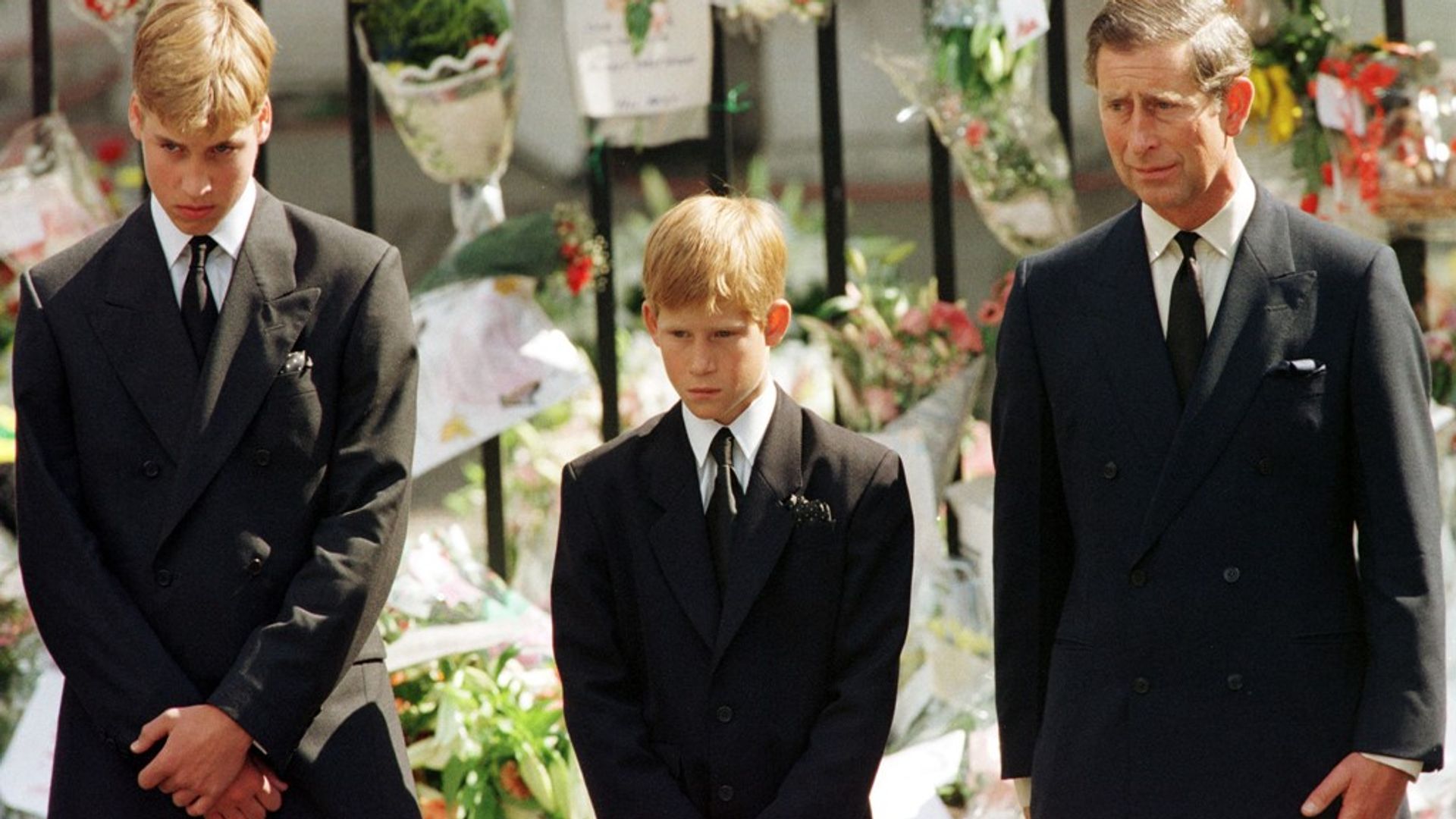
These claims deepen the complex portrait of the Royal Family’s internal dynamics at a time when Britain was mourning one of its most beloved figures. Earl Spencer’s account suggests that the monarchy’s immediate focus was more on managing the institution’s stability than on expressing heartfelt grief.
Context: Why Earl Spencer’s Memoir Matters
Earl Spencer has long been a vocal figure regarding his sister’s legacy. His previous public statements often criticized the Royal Family’s treatment of Diana, highlighting tensions and misunderstandings. This memoir promises to delve even deeper, revealing previously undisclosed personal interactions and reactions.
The timing of these revelations is significant. As the monarchy continues to navigate public perception and calls for transparency, insider accounts like Spencer’s add critical perspectives on how the institution operates behind closed doors. His depiction of the Queen’s behavior challenges the carefully curated image of royal solidarity and grace under pressure.
Moreover, these insights contribute to the ongoing discourse about Diana’s life, death, and enduring impact. Understanding the Royal Family’s true response helps historians and the public reassess the monarchy’s role during one of its most tumultuous moments.
Implications and What Comes Next
Earl Spencer’s memoir is poised to reignite debates over the Royal Family’s handling of Diana’s death. If these accounts gain traction, they could influence public opinion and potentially prompt further scrutiny of the monarchy’s crisis management protocols.
For supporters of Princess Diana’s legacy, Spencer’s narrative offers a validation of long-held suspicions about royal detachment and emotional distance. For the monarchy, it underscores the delicate balance between tradition, privacy, and public expectation in the digital age.
As the memoir’s release approaches, observers will watch closely for responses from the Royal Household. Whether these revelations will lead to official statements or remain part of ongoing historical reassessment remains to be seen.
Why This Matters
The reported “tetchy” reaction of Queen Elizabeth II after Princess Diana’s crash reveals much about the pressures facing the monarchy during crises. It highlights the human complexities behind the royal image and invites a more nuanced understanding of how institutions cope with tragedy.
For readers and historians alike, these insights emphasize the importance of transparency and empathy in leadership, especially when public figures face personal and national grief. Earl Spencer’s memoir stands as a critical contribution to the enduring story of Princess Diana and the British Royal Family.
Full details of Earl Spencer’s memoir are yet to be released, but his confirmation of these explosive claims ensures the book will command significant attention upon publication.