Liberal Democrat leader Sir Ed Davey has openly expressed support for the approval of the Jackdaw gas field, emphasizing its role in the United Kingdom’s ongoing energy transition toward net zero emissions. As the government prepares to make a pivotal decision on the project, Davey’s stance highlights the complex balance between immediate energy needs and long-term climate goals.
What is the Jackdaw Gas Field and Why Does it Matter?
The Jackdaw gas field is a significant offshore natural gas development located in the North Sea. It represents one of the largest untapped gas reserves available to the UK, with the potential to produce substantial volumes of natural gas. This gas could supply homes, industries, and power stations, reducing the country’s reliance on imported fuels.
The UK government’s decision on whether to approve the Jackdaw project comes at a critical moment. Energy security concerns have intensified due to geopolitical tensions and global supply disruptions. At the same time, the UK has legally binding targets to cut greenhouse gas emissions to net zero by 2050. This dual pressure creates a challenging environment for policymakers.
Sir Ed Davey’s Position: Balancing Energy Needs and Climate Goals
Sir Ed Davey, known for his strong environmental advocacy and leadership within the Liberal Democrats, has acknowledged the necessity of natural gas during the energy transition period. He stated that the UK “will need a lot of gas in the transition” to achieve net zero, signaling a pragmatic approach toward balancing energy security with climate commitments.
This position reflects a broader debate within the UK’s political and environmental landscape. While renewable energy sources like wind and solar are rapidly expanding, the intermittent nature of these renewables means that gas-fired power plants remain crucial to maintaining a stable electricity supply, especially during peak demand or low renewable output periods.
Davey’s endorsement suggests that the Jackdaw gas field could serve as a strategic bridge fuel, providing the necessary energy stability while the country scales up its clean energy infrastructure. His support also implicitly recognizes the challenges the UK faces in meeting its net zero ambitions without compromising the reliability and affordability of energy for consumers.
Implications for UK Energy Policy and the Future
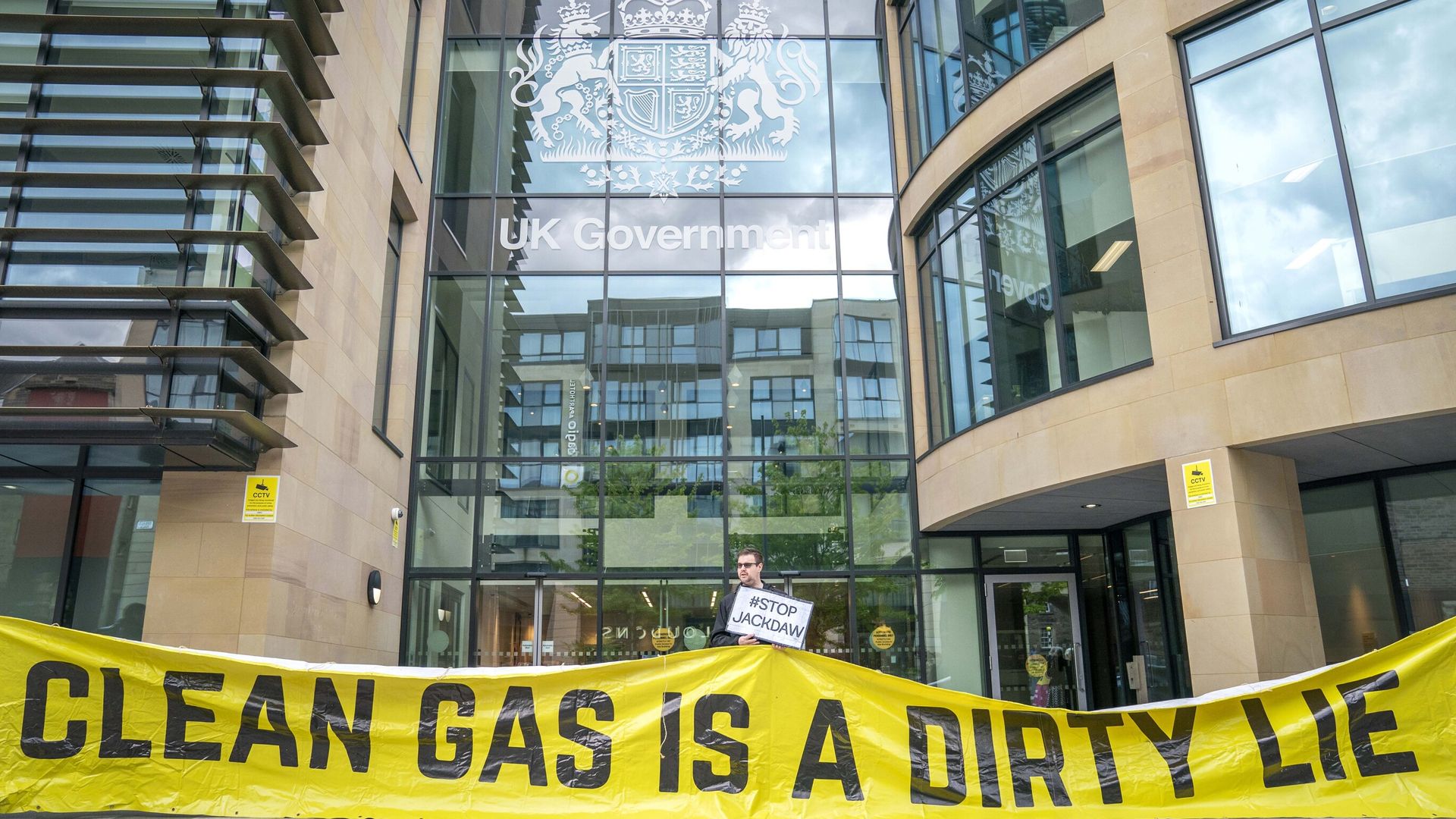
The government’s impending decision on the Jackdaw project will have significant implications beyond immediate energy supply. Approving the gas field could reinforce the UK’s short- to medium-term energy security but may raise concerns among environmental groups and climate activists who argue that investing in new fossil fuel infrastructure locks the country into continued emissions.
Conversely, rejecting the project could exacerbate energy shortages or increase dependence on imports, potentially driving up costs for households and businesses. The decision also carries weight in the context of the UK’s broader energy strategy, which aims to accelerate the deployment of low-carbon technologies while ensuring a just and reliable transition.
Sir Ed Davey’s perspective underscores the need for a nuanced and forward-thinking approach to energy policy. It reflects an understanding that while renewable energy development must be aggressively pursued, certain fossil fuel resources may remain indispensable during the transition to a fully decarbonized energy system.
What This Means Going Forward
The Jackdaw gas field debate encapsulates the UK’s larger struggle to reconcile climate commitments with practical energy demands. As the government weighs its decision, stakeholders from industry, environmental sectors, and political parties will closely monitor the outcome.
Davey’s support signals a potential shift toward greater acceptance of transitional fossil fuel projects within UK policymaking circles, provided they align with longer-term sustainability goals. The challenge remains to ensure that any such projects do not undermine the urgency of investing in renewable energy and energy efficiency measures.
Ultimately, the Jackdaw gas field decision will serve as a bellwether for how the UK navigates the complex path toward energy independence and environmental responsibility. It highlights the intricate trade-offs involved in achieving net zero, where immediate energy realities must be balanced with visionary climate action.
Full details of the government’s final decision on the Jackdaw gas field have yet to be released, but Sir Ed Davey’s comments have already added a significant voice to the conversation.