The Orange Order’s annual march along the contentious Garvaghy Road in Northern Ireland is set to proceed this Sunday after a significant legal victory. The Court of Appeal overturned a previous ban that had prohibited the parade from passing through this predominantly nationalist area, reopening a longstanding chapter in Northern Ireland’s complex history of parading disputes.
Background: The Drumcree Parade Controversy
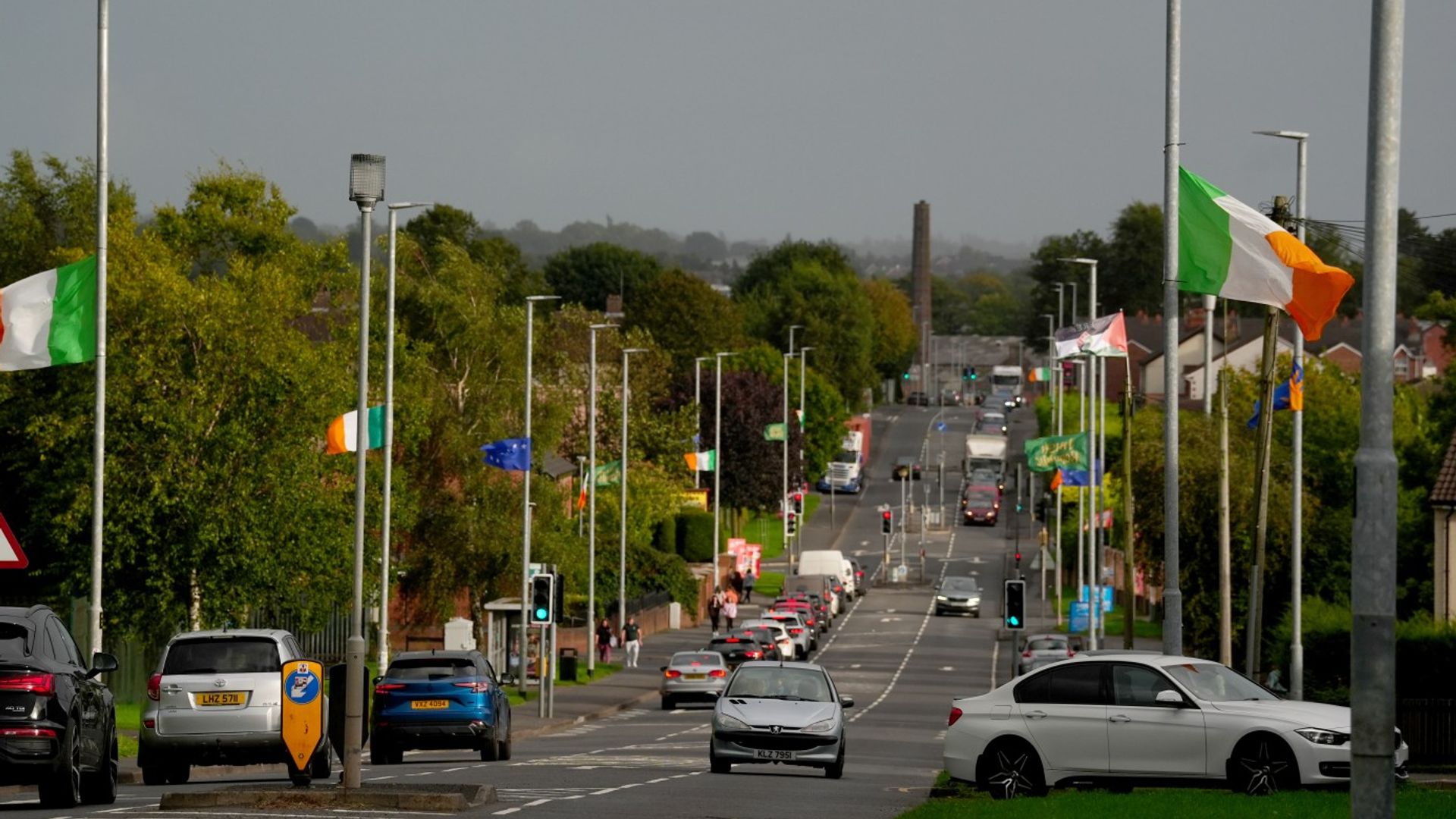
The Orange Order, a Protestant fraternal organization known for its parades, has historically faced opposition when marching through nationalist neighborhoods, particularly Garvaghy Road in Portadown. This street has been a focal point of sectarian tension for decades, often igniting protests and clashes between communities.
Parading season in Northern Ireland frequently sparks controversy due to the symbolic nature of these events, which many nationalists view as provocative displays of dominance. The Drumcree parade, in particular, has been the center of numerous stand-offs, some resulting in violence and civil unrest.
The Legal Battle and Court of Appeal’s Decision
Earlier this week, authorities imposed a ban on the Orange Order’s parade route down Garvaghy Road, citing concerns over public safety and community tensions. However, the loyalist group swiftly challenged this decision, appealing the ban in the Court of Appeal.
In a ruling that will have significant implications for the upcoming marching season, the Court of Appeal overturned the ban, allowing the Orange Order to proceed with their traditional route. The judges emphasized the importance of upholding lawful rights to assembly and parade, provided adequate security measures are in place.
This legal victory not only reaffirms the Orange Order’s right to parade but also underscores the judiciary’s role in balancing community safety concerns with civil liberties. The decision highlights the ongoing challenges in managing parades that carry deep historical and cultural significance for different communities.
Implications and What Lies Ahead
The reinstatement of the Drumcree parade route is likely to reignite tensions in Portadown and surrounding areas. Local nationalist residents have historically viewed such marches as provocative, and there is potential for protests or unrest in response to the Court of Appeal’s decision.
Security forces will be tasked with maintaining order during the parade, ensuring that both marchers and local residents can exercise their rights without violence. The situation will test Northern Ireland’s ongoing peace efforts and the delicate balance between tradition and community relations.
For the Orange Order, this ruling represents a reaffirmation of their cultural heritage and freedom of expression. For nationalist communities, it serves as a reminder of unresolved grievances and the need for continued dialogue to address sectarian divides.
Why This Matters
The Drumcree parade dispute encapsulates the broader challenges Northern Ireland faces in reconciling its divided communities. Parades are more than mere celebrations—they are expressions of identity, history, and political allegiance. When these expressions intersect with contested spaces, they can exacerbate longstanding conflicts.
The Court of Appeal’s ruling underscores the importance of legal frameworks in managing these conflicts, but it also highlights that judicial decisions alone cannot resolve deep-rooted community tensions. Sustainable peace in Northern Ireland requires ongoing engagement, mutual respect, and willingness from all parties to find common ground.
As the Orange Order prepares to march down Garvaghy Road this Sunday, all eyes will be on how communities, law enforcement, and political leaders navigate this sensitive moment. The outcome could either reinforce divisions or serve as a catalyst for renewed efforts toward reconciliation.
In the coming days, the focus will be on maintaining peace and fostering understanding amid these contentious yet deeply significant traditions.