Residents near Falmouth Docks in Cornwall have been ordered to evacuate as authorities respond to the discovery of a live World War II bomb. Over 300 homes are currently affected by this urgent safety measure, highlighting the lasting impact of wartime munitions decades after the conflict ended.
Uncovered Danger: What Happened Near Falmouth Docks?
During routine work near the bustling maritime hub of Falmouth Docks, contractors uncovered an unexploded bomb dating back to the Second World War. Such devices often remain buried for decades, posing hidden threats in areas with intense wartime activity. Cornwall, with its strategic coastal locations, saw significant military operations during the 1940s, increasing the likelihood of leftover ordnance.
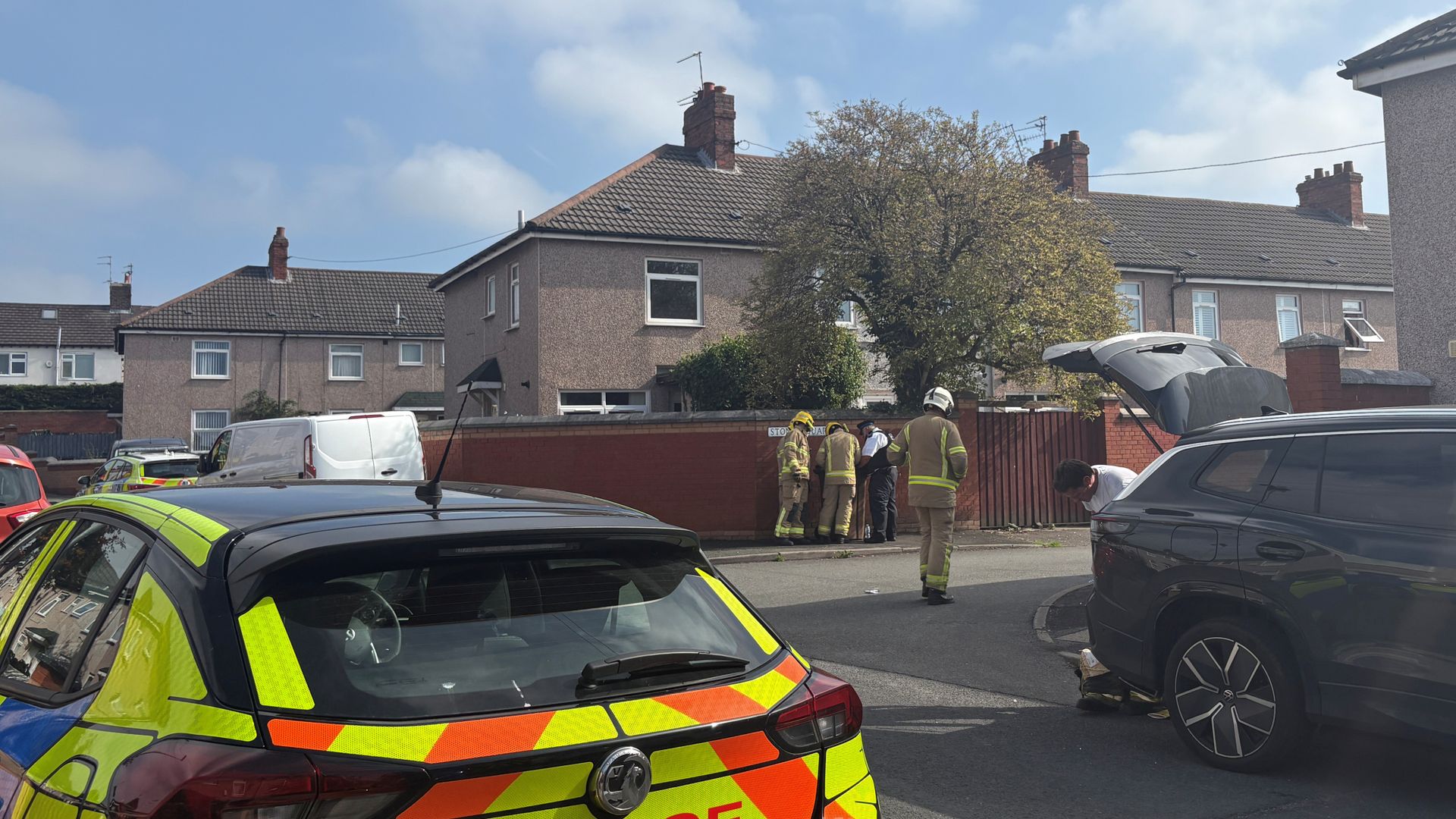
Upon discovery, emergency protocols were immediately enacted to secure the area. Local authorities coordinated with bomb disposal experts to evaluate the device and determine the safest course of action. Because of the bomb’s unstable condition and proximity to residential neighborhoods, an evacuation order was issued to protect public safety.
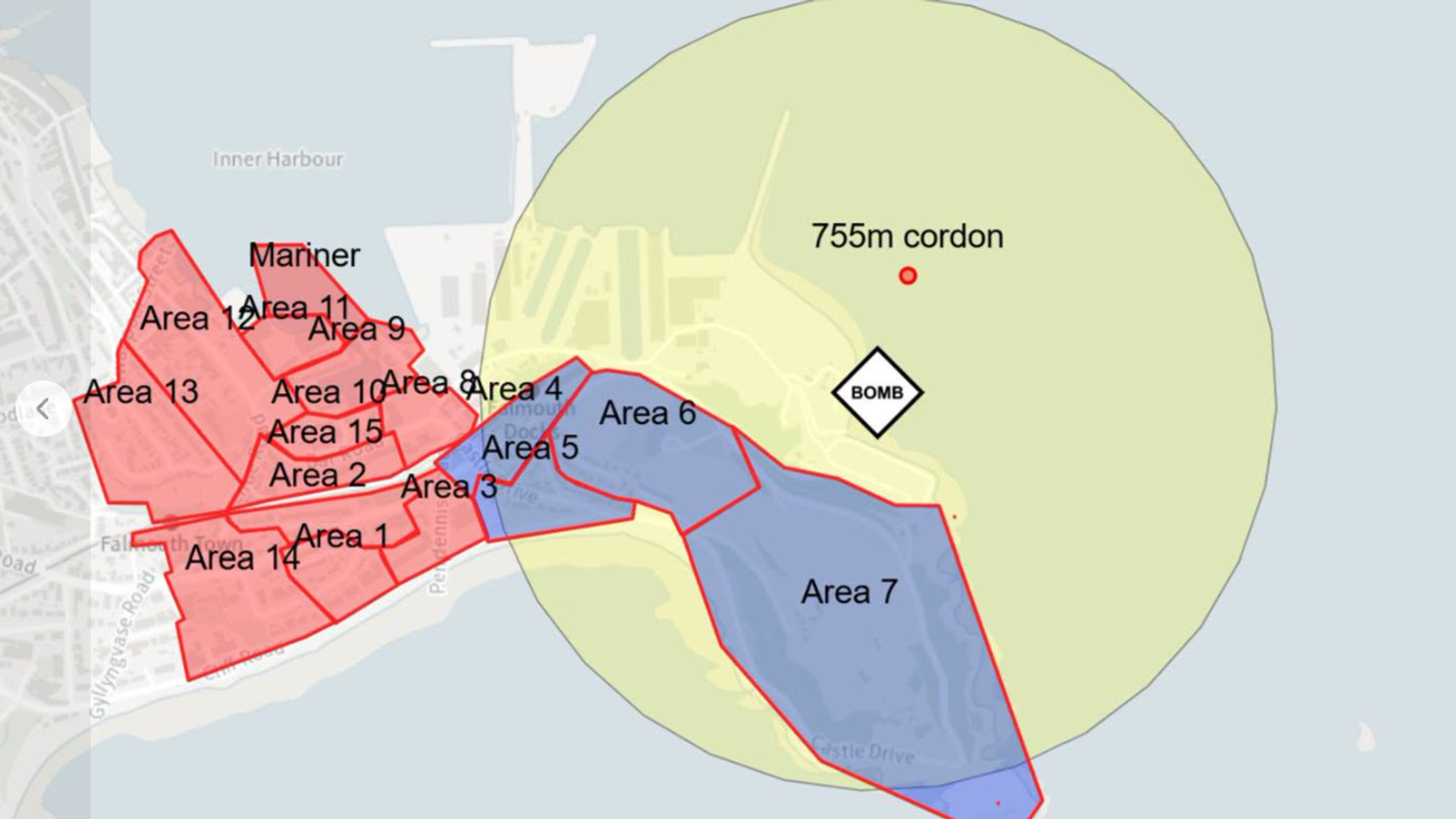
The evacuation encompasses more than 300 homes, requiring residents to leave on short notice. Emergency shelters and support services have been mobilized to assist those displaced while experts work to neutralize the explosive threat. This swift response underscores the ongoing vigilance required to manage remnants of past conflicts in civilian areas.
Why WWII Ordnance Still Poses a Risk Today
Although the Second World War ended nearly 80 years ago, unexploded bombs and other munitions remain a latent danger across many parts of Europe, especially in regions with heavy wartime bombardment or military installations. Cornwall’s coastal areas were vital for naval operations, making them susceptible to aerial bombing and naval attacks.
These buried explosives can be triggered accidentally by construction, landscaping, or natural erosion, necessitating careful monitoring and removal efforts. Bomb disposal units routinely survey suspicious objects when uncovered, employing specialized techniques to safely defuse or detonate them in controlled environments.
The presence of such ordnance is a sobering reminder of the war’s enduring legacy. It also highlights the importance of public awareness and preparedness to respond effectively when these dangerous artifacts surface.
What Comes Next: Managing the Threat and Community Impact
Bomb disposal teams are currently assessing the device near Falmouth Docks to determine the best method for neutralization. Options typically include controlled detonation on-site or safe removal for defusing in a secure location. This process can take several hours, during which evacuation remains mandatory for residents’ safety.
Local government agencies have coordinated with emergency responders to ensure clear communication and logistical support throughout the operation. They are also providing updates to keep the public informed and minimize disruption.
Once the bomb is safely dealt with, authorities will conduct thorough checks of the area before allowing residents to return to their homes. This incident serves as a critical reminder of the ongoing risks posed by unexploded ordnance and the importance of community cooperation in emergency situations.
Why This Matters: The Legacy of War and Community Resilience
The evacuation in Cornwall following the discovery of an unexploded WWII bomb illustrates how the shadows of past conflicts still affect modern communities. While the immediate danger is being managed effectively, the event underscores the continuous need for vigilance, preparedness, and investment in specialist bomb disposal capabilities.
For residents, this ordeal can be disruptive and unsettling, but it also showcases community resilience and the effectiveness of coordinated emergency response. Authorities emphasize the necessity of following evacuation orders promptly to ensure safety.
As Cornwall returns to normal, the event will likely prompt renewed discussions about the presence of wartime relics and the importance of ongoing surveys and public education. Unexploded bombs remain a hidden hazard in many parts of the UK, and incidents like this reinforce the vital role of bomb disposal experts in safeguarding lives.
Full details of the bomb disposal operation and the timeline for residents’ return have not yet been released, but officials continue to prioritize safety and clear communication as the situation develops.