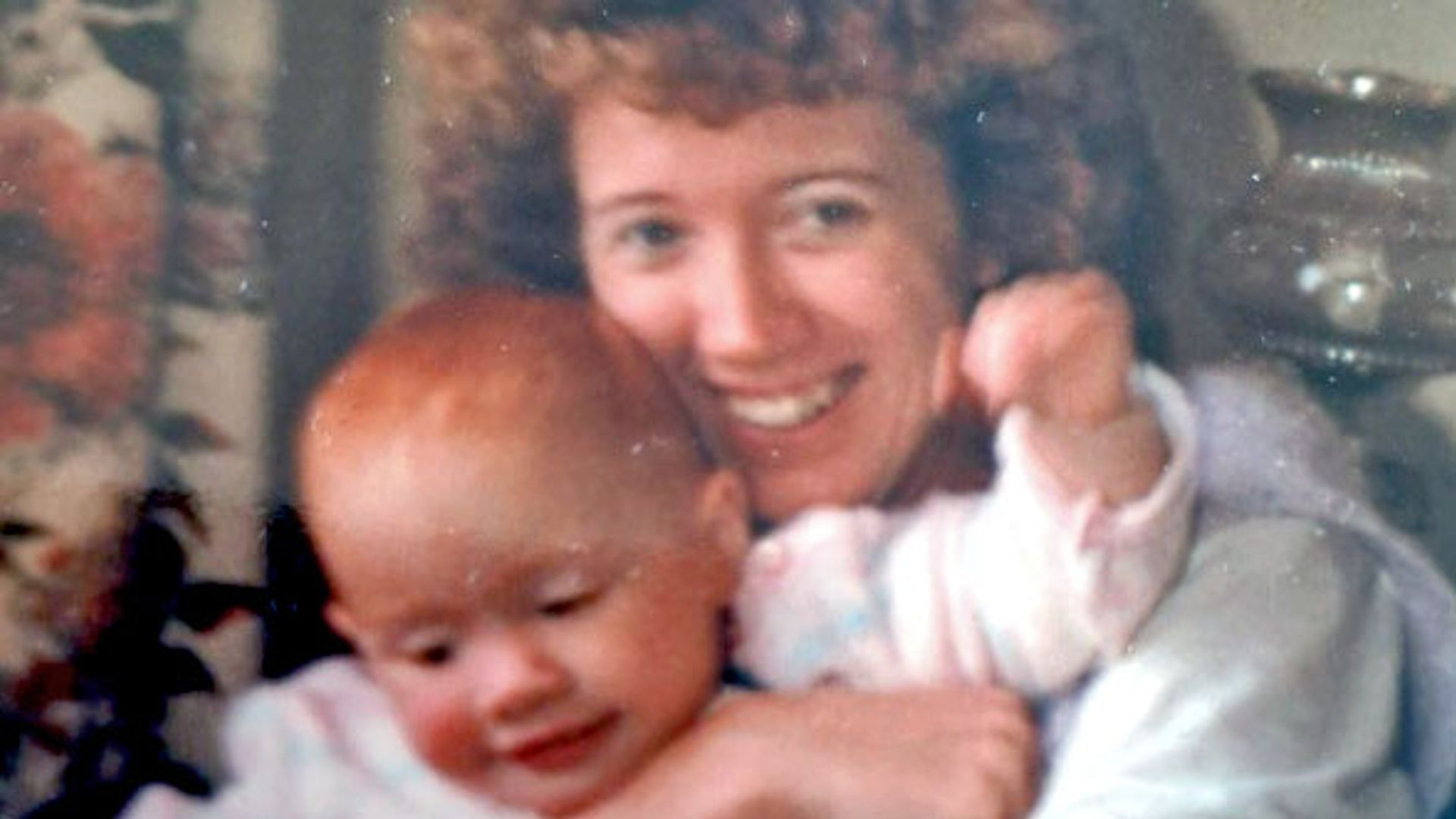
The tragic death of a five-month-old girl from meningitis has been directly linked to hospital neglect, according to a recent inquest jury verdict. The panel determined that crucial opportunities to save or extend the infant’s life were missed during her hospital stay, highlighting serious lapses in medical care.
What Happened: A Preventable Tragedy
The infant, only five months old, was admitted to the hospital exhibiting symptoms consistent with meningitis—a dangerous infection of the membranes surrounding the brain and spinal cord. Despite the severity of her condition, the hospital staff failed to respond adequately, missing critical windows for intervention that could have altered the outcome.
Meningitis in infants is particularly aggressive and demands rapid diagnosis and treatment. Early recognition and immediate medical management, often involving antibiotics and supportive care, are essential to prevent fatal complications. In this case, the jury found that hospital staff overlooked or delayed necessary assessments and treatments.

The inquest proceedings examined detailed medical records, witness testimonies, and expert analyses to determine how the hospital’s actions—or lack thereof—contributed to the child’s death. The findings underscored systemic failures in monitoring the baby’s condition and responding to signs of deterioration.
Why This Matters: The Impact of Medical Neglect in Pediatric Care
This case shines a harsh light on the critical importance of vigilant and timely medical care for vulnerable patients, especially infants. Babies are unable to communicate their distress effectively, which places a heavy responsibility on healthcare providers to detect subtle symptoms and act swiftly.
Neglect in hospital settings can take many forms, from delayed diagnosis and treatment to inadequate monitoring or communication breakdowns among staff. Each missed opportunity can have devastating consequences, as tragically demonstrated here.
Beyond the immediate loss, such incidents erode public trust in healthcare institutions and underscore the need for rigorous protocols, staff training, and accountability measures to prevent similar tragedies.
What Comes Next: Lessons and Accountability
The jury’s ruling calls for urgent reflection and reform within the hospital system involved. Addressing these lapses requires comprehensive reviews of clinical procedures, enhanced training on pediatric emergencies, and stronger oversight to ensure rapid response to critical conditions like meningitis.
Hospitals must prioritize early warning systems and foster a culture where every healthcare professional understands the gravity of signs indicating serious infections in infants. This includes improving communication channels and empowering staff to escalate concerns without hesitation.
For families, this verdict offers some measure of clarity and recognition of the failures that led to their devastating loss. For the wider community, it serves as a stark reminder of the stakes involved in pediatric healthcare and the non-negotiable duty of care owed to the youngest and most vulnerable patients.
Closing Takeaway
The inquest into the death of this five-month-old girl reveals the fatal consequences of neglect within hospital care. Meningitis remains a medical emergency requiring swift action, and this case highlights how delays and missed interventions can cost lives. Moving forward, healthcare providers must rigorously address these failures, ensuring that no infant’s life is lost due to preventable hospital oversights.