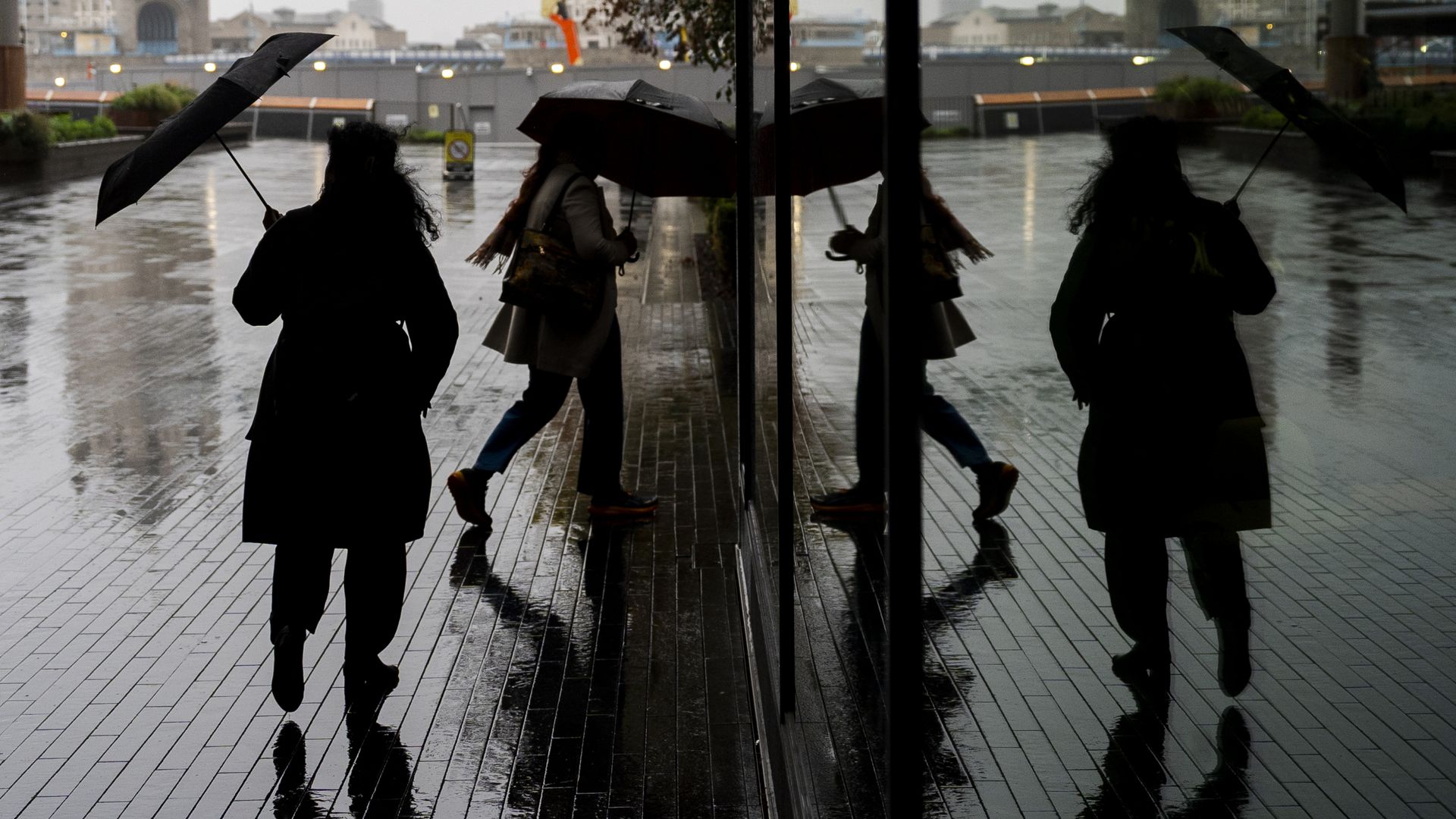
The UK is grappling with the devastating aftermath of Storm Boelo, which unleashed ferocious winds reaching up to 84 mph, causing two tragic fatalities after falling trees struck victims. Alongside these heartbreaking losses, the storm wreaked havoc across the country, flooding streets and leaving approximately 800,000 homes without power.
Fatalities and Immediate Impact of Storm Boelo
Storm Boelo’s violent gusts toppled trees and power lines, creating dangerous conditions that led to the deaths of two men. These incidents highlight the severe risks posed by such intense weather events, especially in areas densely populated with mature trees. Emergency services have been stretched thin, responding to calls about blocked roads, fallen debris, and damaged infrastructure.
Authorities have urged the public to remain vigilant, avoid unnecessary travel, and stay indoors where possible as cleanup and recovery efforts continue. The fatalities underscore the lethal potential of natural disasters exacerbated by climate patterns that produce increasingly powerful storms.
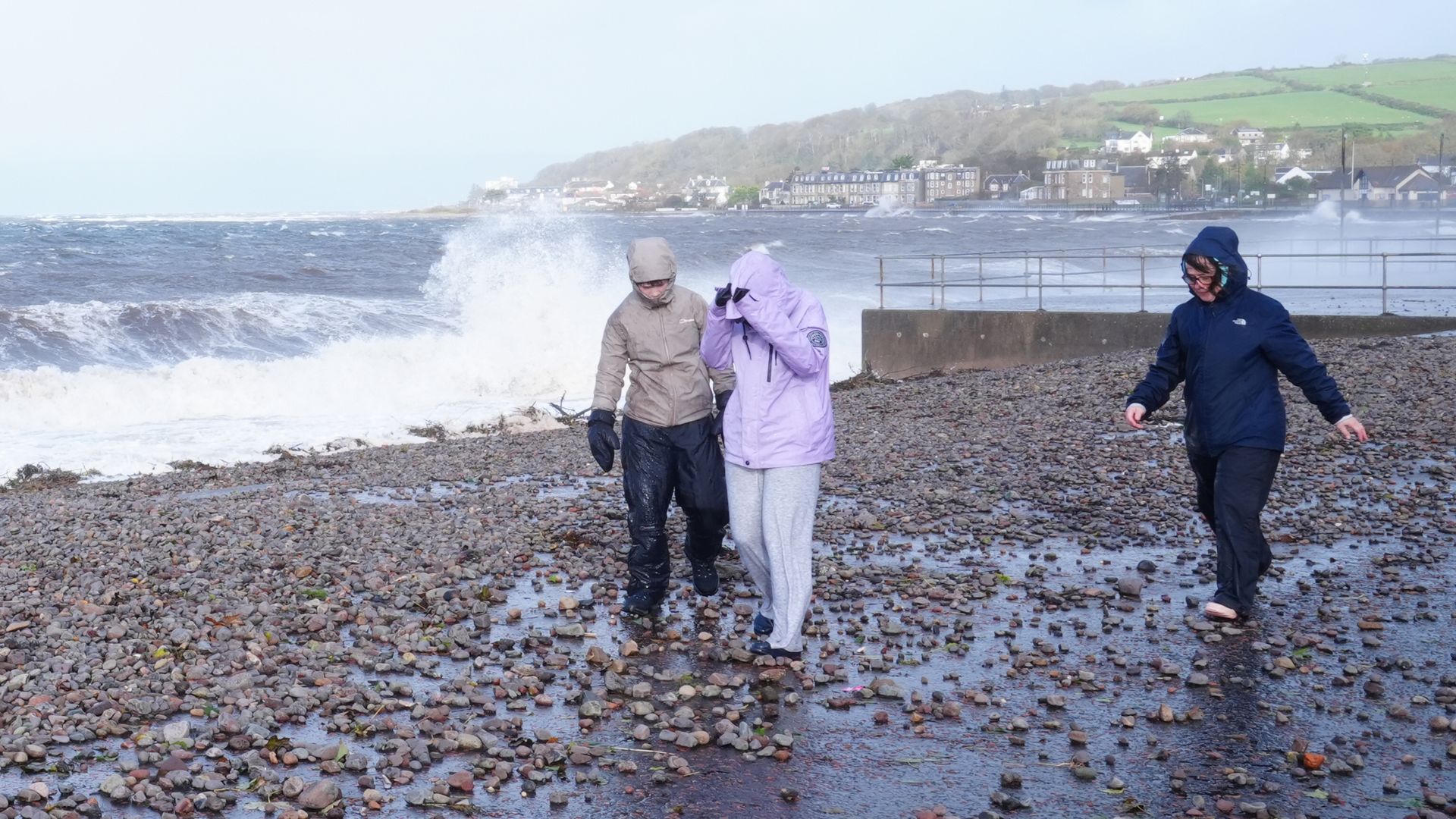
Widespread Flooding and Power Disruptions
The storm’s torrential rains flooded numerous streets, leading to significant transportation disruptions and property damage. Localized flash floods overwhelmed drainage systems, inundating homes and businesses, and complicating rescue and repair operations.
Power outages affected around 800,000 households, plunging entire communities into darkness. Utility companies have mobilized crews to restore electricity, but strong winds and hazardous conditions have slowed progress. Authorities warn residents to prepare for extended outages, urging them to have emergency supplies and to report downed power lines promptly.
These outages have had cascading effects on essential services, including communication networks and healthcare facilities, further stressing the resilience of communities impacted by the storm.
Recovery Efforts and What Lies Ahead
As the weather begins to calm, local governments, emergency responders, and utility companies have launched coordinated recovery efforts. Clearing fallen trees, repairing infrastructure, and restoring power are top priorities. The resilience of affected communities will be tested in the coming days as they rebuild and assess the full extent of the damage.
Experts emphasize the need for improved storm preparedness and infrastructure adaptation to mitigate the impact of future severe weather events. Storm Boelo serves as a stark reminder of the growing challenges posed by extreme weather, likely intensified by climate change trends.
Residents are encouraged to follow official updates, adhere to safety guidance, and support neighbors, particularly vulnerable populations, during the recovery phase.
Why This Matters
Storm Boelo’s deadly consequences and widespread disruption highlight the critical importance of robust emergency planning and climate resilience. With storms of increasing intensity becoming more common, communities across the UK face mounting risks to life, property, and essential services.
Understanding the factors behind such storms and investing in preventative infrastructure will be key to reducing future casualties and economic losses. The tragedy of the two men killed by falling trees is a sobering call to action for policymakers, emergency services, and citizens alike.
As the UK recovers from Storm Boelo’s fury, the focus now turns to strengthening defenses and enhancing public awareness to better withstand the inevitable storms ahead.