Senior doctors across England are preparing to stage a significant two-day strike in November, escalating tensions over unresolved pay disagreements. The British Medical Association (BMA) has officially confirmed this industrial action, signaling a critical moment in the ongoing dispute between healthcare professionals and the government.
What Led to the Strike Decision?
The planned strike comes after prolonged negotiations between senior medical staff and government representatives failed to yield a satisfactory resolution regarding pay increases. Senior doctors, who play a pivotal role in the NHS, argue that their current remuneration does not reflect the demands, responsibilities, and pressures of their positions.
Over recent years, NHS staff have faced increased workloads, especially intensified by the COVID-19 pandemic’s lasting impact on healthcare services. Despite these challenges, many doctors report stagnant wages that have not kept pace with inflation or the rising cost of living. The BMA asserts that fair compensation is essential not only for retaining experienced doctors but also for maintaining high standards of patient care across England.
The Scope and Impact of the Planned Strike
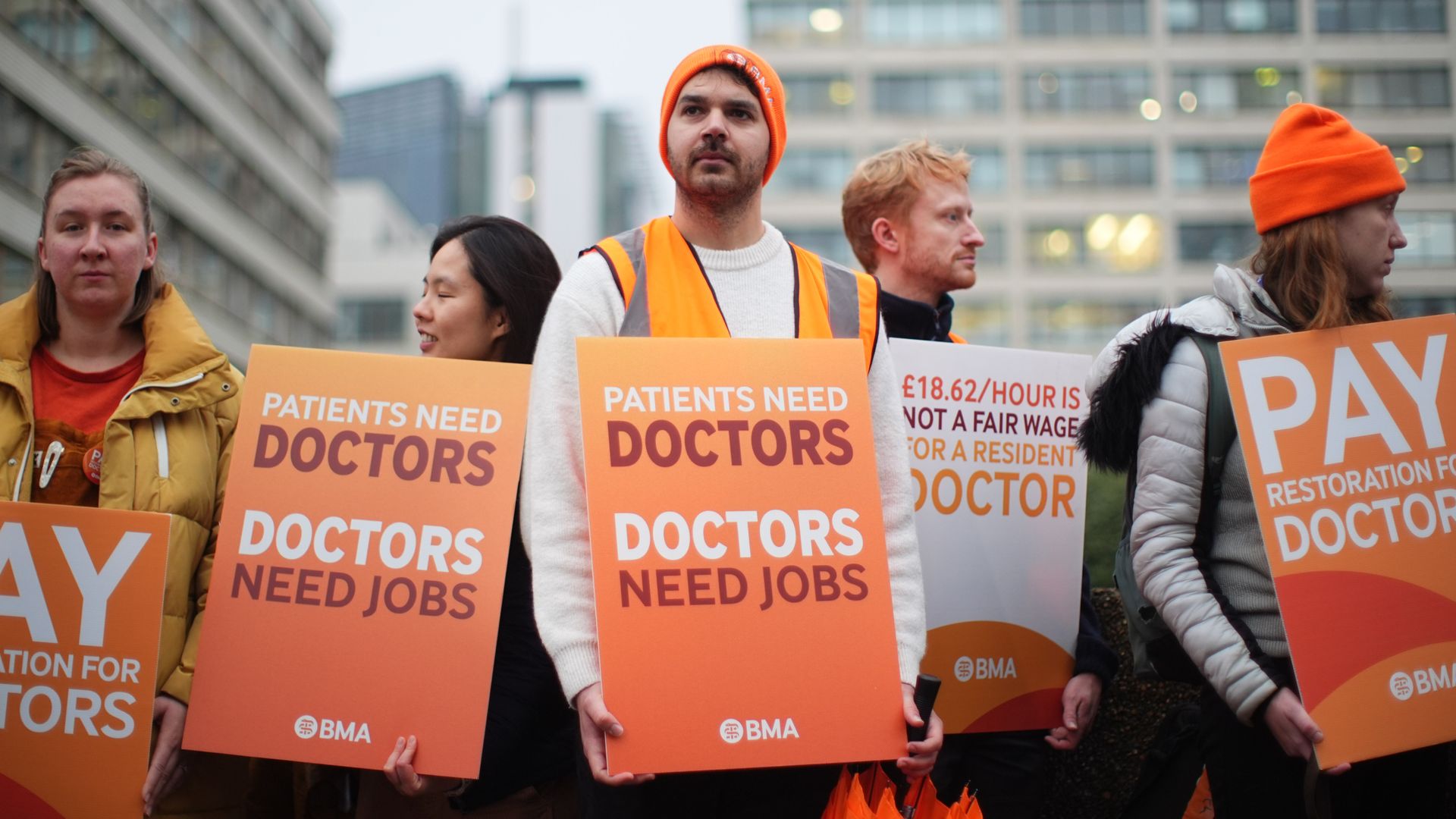
The strike, scheduled for two consecutive days in November, will involve senior doctors including consultants and specialists who provide crucial medical services. The BMA has emphasized that this action is a last resort after exhaustive attempts to negotiate better pay packages. The strike is expected to disrupt non-emergency medical services, outpatient clinics, and elective procedures, potentially causing delays and cancellations across hospitals.
While emergency care and critical services will be maintained, the strike’s impact could ripple through the healthcare system, affecting patient access to routine medical attention. The BMA is calling on the government to acknowledge the vital contributions of senior doctors and to engage in meaningful dialogue to resolve the pay dispute promptly.
Why This Strike Matters for the NHS and Patients
The decision by senior doctors to strike highlights broader systemic issues within the NHS workforce and funding structures. Pay disputes such as this one not only affect individual doctors but also have far-reaching consequences for the entire health service. When experienced medical professionals withdraw their labor, it risks exacerbating existing pressures on the NHS, which already grapples with staff shortages and rising patient demand.
Moreover, sustained dissatisfaction among senior doctors could lead to increased attrition rates, making it harder to recruit and retain talent. This scenario threatens the long-term sustainability of high-quality healthcare in England. For patients, the strike underscores the delicate balance between workforce wellbeing and service delivery, underscoring the need for effective resolution to ensure continuous, dependable medical care.
Looking Ahead: What Comes Next?
As the November strike dates approach, the spotlight intensifies on government officials and NHS leaders to respond constructively to the BMA’s demands. The outcome of this dispute could set important precedents for future negotiations involving healthcare workers’ pay and conditions.
The BMA has indicated its willingness to resume talks if meaningful progress occurs but remains prepared to proceed with planned industrial action to advocate for fair compensation. Stakeholders across the healthcare sector, including patients, policymakers, and hospital administrators, will closely monitor developments in the coming weeks.
Ultimately, resolving this pay dispute is crucial to maintaining a motivated, well-supported senior doctor workforce capable of delivering world-class healthcare to the public.
Final Takeaway
The announcement of a two-day strike by senior doctors in England marks a pivotal moment in the ongoing struggle over fair pay within the NHS. This industrial action reflects deep-seated frustrations and highlights the urgent need for sustainable solutions to support healthcare professionals. As negotiations continue, the future of medical services and patient care in England hangs in the balance, underscoring the critical importance of addressing workforce concerns for the health system’s stability and success.