The decision to remove mummified Egyptian remains from public display in two prominent Glasgow museums has ignited a passionate debate across cultural, ethical, and academic circles. Critics dismiss the move as “woke madness,” while supporters argue it represents a long-overdue act of respect and ethical responsibility.
The Controversy: What Happened in Glasgow?
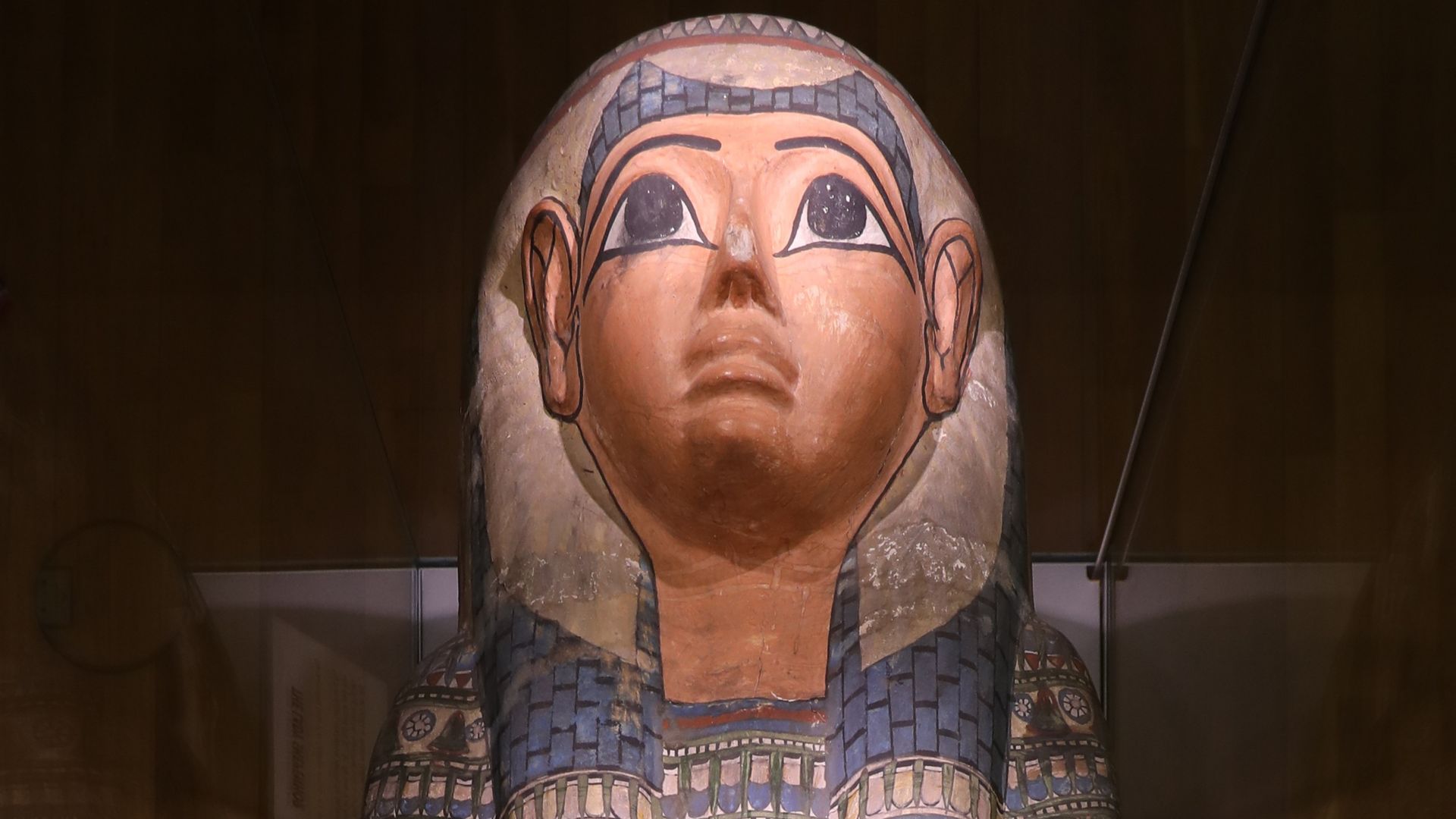
Two of Glasgow’s leading museums recently chose to take down mummified Egyptian artifacts from their exhibitions. These ancient human remains, once central to the museums’ Egyptian displays, have been removed amid growing concerns about the ethics of displaying human remains. The museums have framed the decision as an effort to treat these remains with dignity, aligning with contemporary standards of cultural sensitivity and respect.
However, this move has not been without backlash. Opponents argue that removing such artifacts deprives the public of valuable educational opportunities and diminishes cultural heritage appreciation. Some have labeled the decision as an overreach driven by political correctness, implying that fears of offending sensibilities have overridden the museums’ core mission of education and preservation.
Why the Debate Matters: Ethics, Education, and Cultural Sensitivity
The heart of this debate lies in how we, as a society, approach the display of human remains from ancient cultures. Museums have historically exhibited mummified remains to provide visitors with tangible connections to distant civilizations, offering insights into ancient funerary practices, beliefs, and lifestyles. These displays have played a crucial educational role, fostering public interest in history and archaeology.
Yet, evolving ethical standards question whether such displays respect the dignity of individuals who lived thousands of years ago. Advocates for removal emphasize that consent cannot be obtained from the deceased or their descendants, and continuing to exhibit these remains may perpetuate colonial-era attitudes that commodify and objectify non-Western cultures.
In this context, Glasgow’s museums are responding to global trends where institutions re-evaluate their collections and engagement strategies. This ethical reconsideration aims to balance educational value with respect for cultural heritage and human dignity.
Broader Implications and What Comes Next
Glasgow’s decision reflects a growing movement within the museum community worldwide to rethink how human remains and sensitive cultural artifacts are handled. Institutions are increasingly consulting with source communities, including Egyptian authorities and cultural representatives, to determine appropriate treatment and display practices.
This shift raises important questions: Should museums prioritize educational access over ethical concerns? How can institutions respectfully present human history without causing offense or harm? And what role should contemporary cultural values play in curating ancient artifacts?
For Glasgow’s museums, the removal may be the first step in a larger transformation toward more inclusive and respectful exhibition policies. It signals a recognition that museum practices must evolve alongside societal values, fostering dialogue rather than conflict.
What This Means for Visitors and Cultural Heritage
While some visitors may feel disappointed at losing the opportunity to see these rare artifacts, the museums’ decision underscores a commitment to ethical stewardship. It encourages audiences to consider not only what is displayed but how and why it is presented. This approach invites a deeper engagement with history—one that honors the humanity behind the artifacts.
Ultimately, the Glasgow case highlights the delicate balance museums must strike between education, respect, and cultural responsibility. It challenges institutions worldwide to rethink their roles as custodians of history in an increasingly conscientious world.
As this conversation unfolds, the hope is that museums will develop innovative ways to educate the public about ancient cultures without compromising ethical standards, ensuring that history is preserved thoughtfully and respectfully for generations to come.