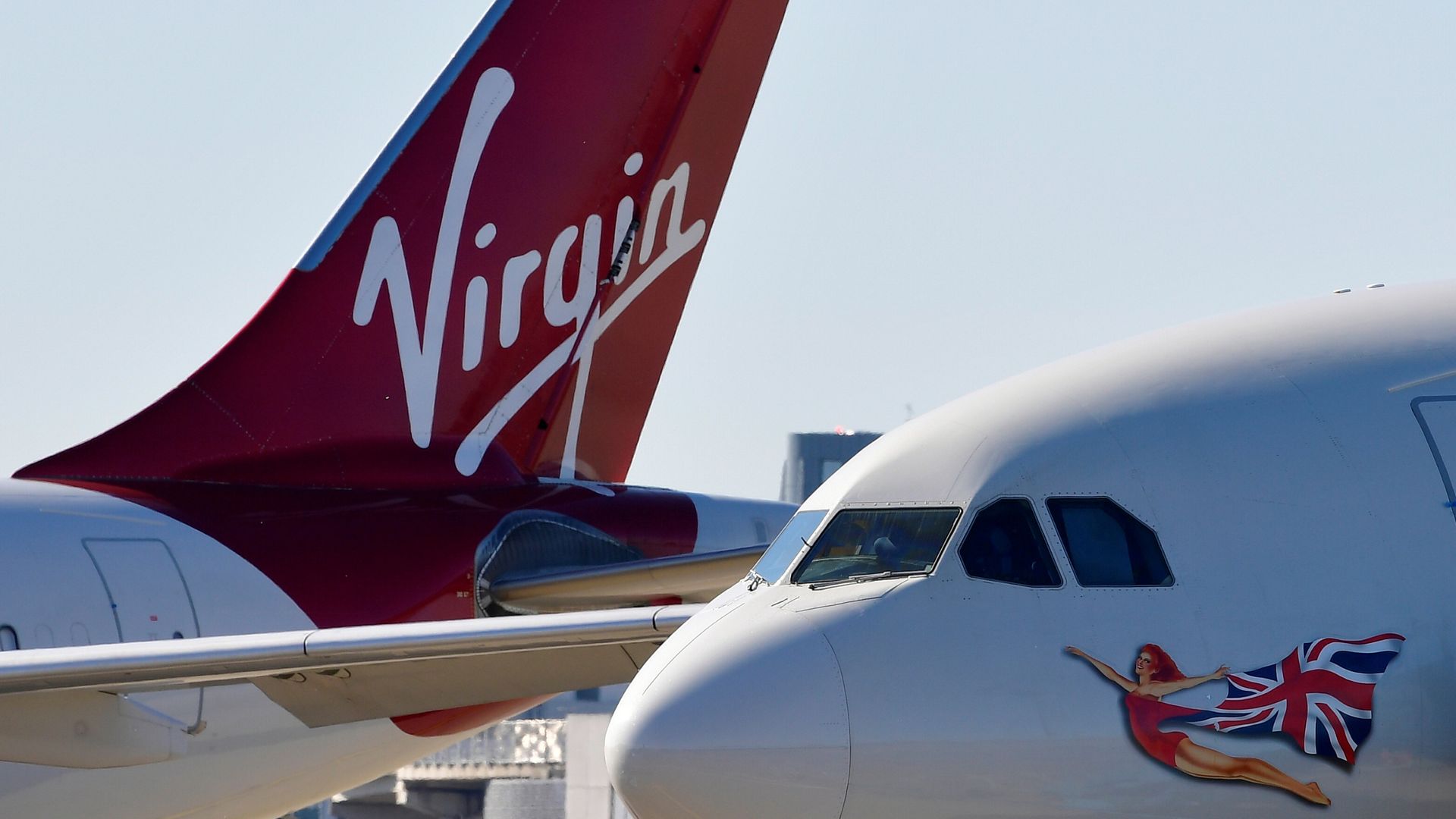
Virgin Atlantic Airways has expressed sharp outrage after Heathrow Airport compelled its joint venture partner, Delta Air Lines, to relocate to a different terminal. The airline warns this decision could significantly increase ticket prices for travelers, disrupting established operations and passenger convenience.
What Happened: Heathrow’s Terminal Reassignment
Virgin Atlantic, which shares extensive code-sharing agreements and marketing efforts with Delta, argues that separating the two carriers into different terminals will undermine the efficiency of their joint operations. This operational fragmentation could complicate passenger transfers, baggage handling, and overall travel experience, particularly for customers booking connecting flights between the two airlines.
Why Virgin Atlantic Warns of Fare Increases
Virgin Atlantic’s strong objections center on the potential financial consequences for passengers. The airline claims that forcing Delta into a different terminal will introduce logistical complexities and raise operational costs. These additional expenses are likely to be passed on to customers through higher ticket prices.
Terminal proximity is critical for joint ventures like Virgin Atlantic and Delta because it facilitates streamlined connections and shared resources, which help keep costs manageable. When partners operate from separate terminals, the increased need for shuttle services, longer transfer times, and duplicated ground operations can inflate costs significantly.
Virgin Atlantic’s concerns also reflect broader industry challenges, as airlines and airports balance operational needs with passenger convenience and cost control. Heathrow’s decision may set a precedent affecting other joint ventures and alliances, potentially reshaping how carriers cooperate within major airports worldwide.
What This Means for Passengers and the Aviation Industry
The forced terminal move could have tangible repercussions for travelers flying between Europe and North America. Passengers used to seamless connections within the same terminal might face longer transfer times and increased hassle navigating between terminals, especially at Heathrow, which is notorious for its sprawling layout and busy passenger flows.
In the fiercely competitive transatlantic market, where Virgin Atlantic and Delta compete with other global airlines, any disruption to smooth operations risks eroding customer satisfaction and loyalty. Travelers may find fewer attractive options or higher fare levels, complicating travel planning and potentially dampening demand.
For Virgin Atlantic, this move challenges its competitive positioning at Heathrow, a critical hub for its Atlantic network. The airline must now strategize how to mitigate the impact of terminal separation while continuing to offer compelling services and fares to its customers.
Heathrow Airport, meanwhile, faces criticism for imposing the change without apparent consideration of its broader effects on airline partnerships and passenger experience. The airport’s rationale for the decision has not been fully disclosed, leaving industry observers and travelers eager for more transparency.
Looking Ahead: Navigating Terminal Changes Amid Industry Evolution
This development highlights the complexities airports and airlines face as they manage infrastructure constraints, commercial dynamics, and passenger expectations. Terminal allocations are more than logistical details—they directly influence airline alliances, pricing strategies, and customer satisfaction.
Virgin Atlantic’s vocal opposition underscores the need for collaborative planning that balances airport operational demands with the interconnected nature of airline partnerships. As Heathrow continues to evolve its facilities and policies, how it accommodates joint ventures like Virgin-Delta will be critical to maintaining London’s status as a premier global aviation hub.
Passengers should monitor updates from both airlines and Heathrow regarding terminal assignments and connection procedures to prepare for any travel changes. Industry stakeholders will also watch closely to see if this terminal move prompts renegotiations or shifts in joint venture strategies in the near future.